WASHINGTON — In the theater of modern geopolitics, the divide between national sovereignty and global interconnectedness has rarely been articulated with such visceral clarity. This week, a public exchange between President Donald Trump and Prime Minister Mark Carney has laid bare a profound ideological fracture that threatens to reshape the diplomatic landscape. What began as a criticism of “globalist” interference has escalated into a high-stakes debate over whether economic stability can exist without moral responsibility, and whether a nation’s security can truly be decoupled from the ethical governance of the world.
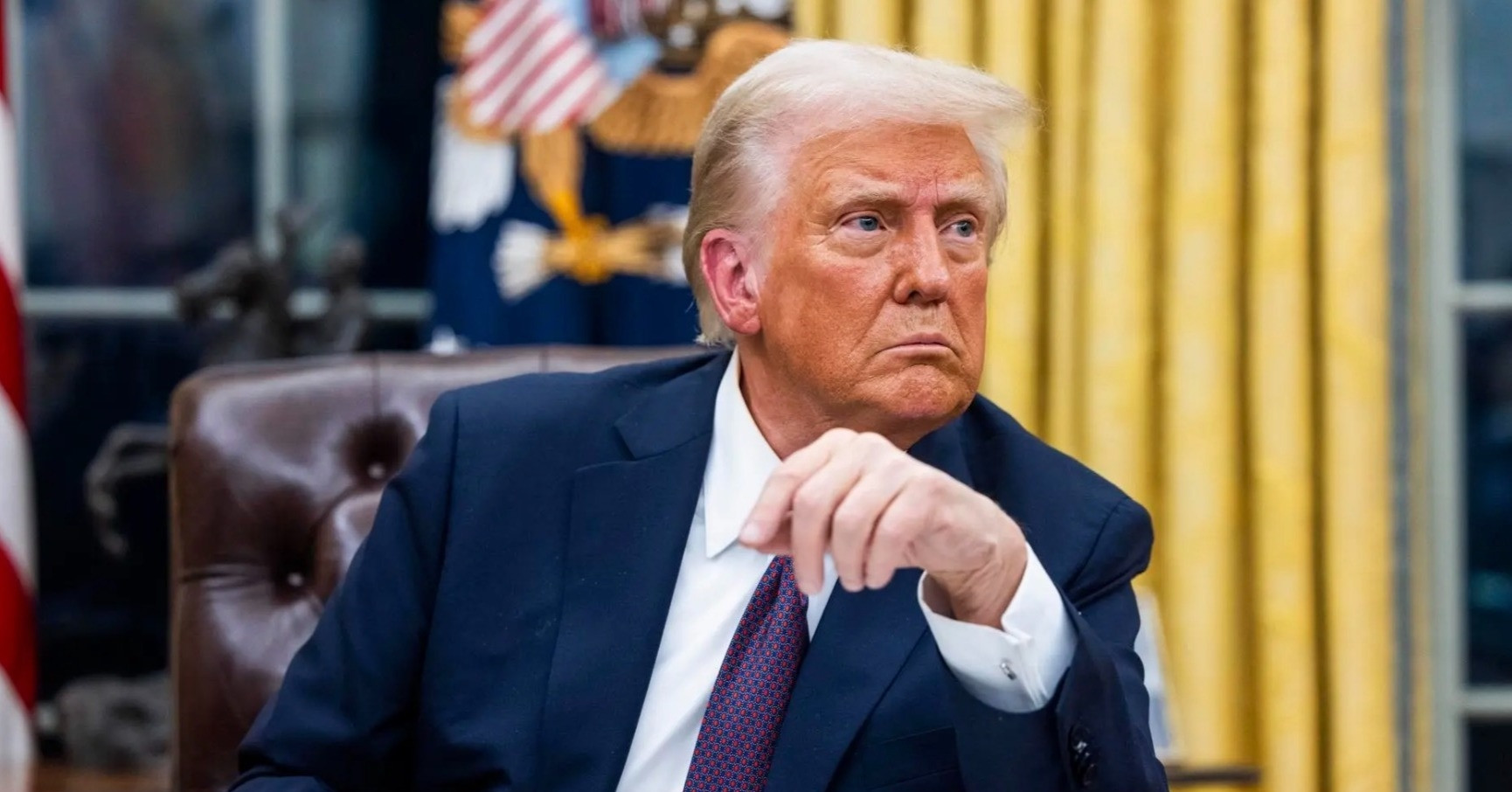
Speaking at a rally that hummed with the familiar energy of his “America First” movement, Mr. Trump took aim at Mr. Carney, accusing the former central banker of overstepping his mandate. To Mr. Trump, the Prime Minister is the embodiment of a “globalist” elite that seeks to impose international norms on sovereign states. “The globalists should focus on numbers, not tell strong nations how they should defend themselves,” Mr. Trump told a receptive audience. “America will always put its security first.” The remarks were not merely an attack on a political rival; they were an assertion that economic expertise should remain confined to spreadsheets and ledger lines, far removed from the “messy” business of national defense and statecraft.

The Moral Imperative of Economics
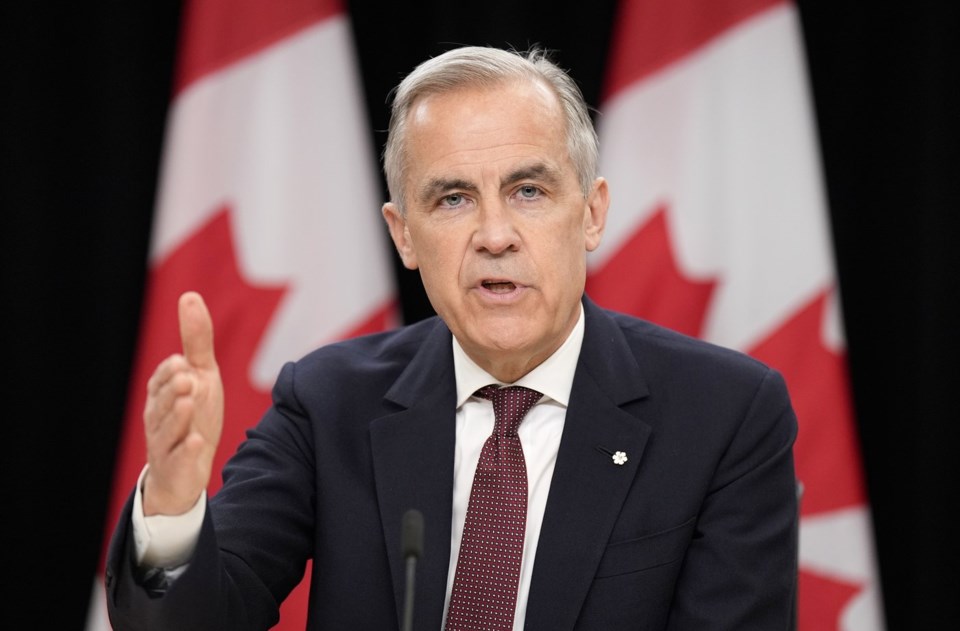
The response from Ottawa was swift and uncharacteristically philosophical. Speaking at an international forum, Mr. Carney—a man who has navigated the highest echelons of both the Bank of England and the Bank of Canada—reframed the discussion from one of “interference” to one of “responsibility.” “Economic stability and global leadership cannot remain silent when power is used without moral responsibility,” Mr. Carney said, his voice measured but unwavering. “Sustainable systems must guide humanity toward peace, not justify conflict.”
To Mr. Carney, the “numbers” that Mr. Trump cited are not isolated from the human condition. His argument suggests that the very economic systems that sustain modern life are inherently linked to ethical governance. In his view, a leader who ignores the moral dimensions of power risks destabilizing the global financial order that national security is built upon. This “sovereignty vs. ethics” debate is the new frontline of the 2026 political cycle, pitting a transactional view of the world against one rooted in institutional resilience and collective accountability.
Geopolitical Friction and the “Globalist” Label
Analysts note that Mr. Trump’s rhetoric is designed to tap into a broader skepticism toward international influence. By labeling Mr. Carney a “globalist,” he is attempting to paint the Prime Minister as a figure more concerned with the approval of Davos elites than the concerns of ordinary citizens. This tactic has been central to Mr. Trump’s political messaging for a decade, but it takes on a new urgency as global tensions in regions like the Strait of Hormuz and Eastern Europe threaten to disrupt the energy markets that Mr. Carney’s government is currently trying to navigate.
However, the “globalist” label may be harder to pin on Mr. Carney than on his predecessors. His recent majority victory was built on a platform of tangible domestic results—from fuel tax cuts to housing reforms. By positioning himself as a leader who understands both the “numbers” and the “moral responsibility” of power, he is attempting to occupy a middle ground that acknowledges national interests without abandoning global cooperation. Supporters of Mr. Carney argue that in an interconnected world, “putting security first” requires the very global leadership that Mr. Trump dismisses.
The Role of Expertise in an Uncertain Age
The exchange has prompted a wide-ranging debate among policy observers about the role of expertise in shaping government decisions. Skeptics of the “Carney approach” argue that external commentary from economic figures can be misaligned with the immediate, often brutal realities faced by governments responsible for defense. They view his emphasis on “moral responsibility” as a form of “mission creep” for a technocrat who should be focused on inflation targets and trade balances.
Conversely, many in the diplomatic corps view Mr. Carney’s remarks as a necessary correction to a growing trend of “isolated nationalism.” They argue that economic leadership carries an inherent obligation to address systemic challenges, including climate change, conflict, and international cooperation. For these observers, the dialogue between political and economic spheres is not an intrusion but an essential safeguard against the kind of “manufactured chaos” that Mr. Carney has warned can lead to the erosion of democratic institutions.
Conclusion: A Choice of Directions
As the public exchange between these two high-profile figures circulates across financial forums and social media, it serves as a reminder of the importance of dialogue in navigating a fractured world. While the exchange did not escalate beyond public statements, it underscored the contrasting approaches to leadership that will define the coming years. Mr. Trump’s focus remains on the absolute priority of national sovereignty, while Mr. Carney’s response emphasizes the role of ethical considerations in guiding decisions that affect the global commons.
Ultimately, the choice facing the international community is whether to see the world as a series of zero-sum competitions or as an interconnected system requiring a shared moral compass. The “numbers” and the “moral responsibility” of power are, in the end, two sides of the same coin. As global tensions continue to rise, the incident serves as a focal point for deeper questions about accountability and the limits of influence. In the 2026 political landscape, the most important question may not be who holds the power, but what values they use to wield it.






