Hungary has sealed a long-term gas supply agreement with Russia — and Brussels is already on edge.
According to Hungarian state media and the Financial Times, the new deal is designed to secure the country’s energy supply for years ahead, locking in stable and comparatively low prices. Prime Minister Viktor Orbán defended the move as a matter of responsibility to Hungarian citizens, emphasizing the need to guarantee both supply security and affordability.
Hungarian premier slams U.S. president’s Russia policy
The agreement comes at a highly sensitive moment. Across Europe, many EU member states are still grappling with soaring energy prices and the consequences of phasing out Russian fossil fuels. By late 2025, the European Commission under Ursula von der Leyen had reached a political agreement to gradually eliminate Russian gas imports — LNG by the end of 2026 and pipeline gas by autumn 2027. Von der Leyen described the strategy as the beginning of Europe’s “complete energy independence from Russia.”
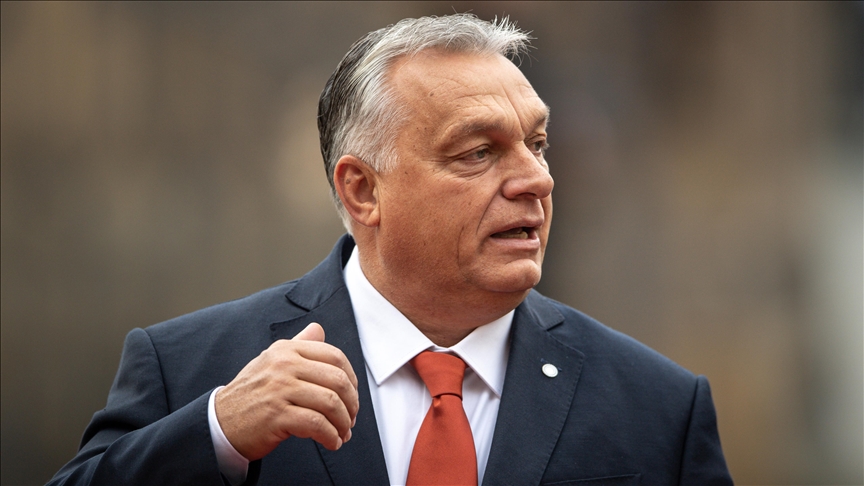
Hungary, however, has consistently resisted key elements of this phase-out plan. Due to its geography and deeply entrenched pipeline infrastructure, the country remains heavily reliant on Russian gas. Budapest argues that, in today’s volatile market, national negotiations deliver better outcomes for its citizens than a one-size-fits-all EU strategy. Orbán put it bluntly: Hungary will not be dragged into “energy adventures” where ordinary people bear the cost.
Brussels sees things differently. Officials within the European Commission are increasingly concerned that Hungary’s move could undermine the bloc’s unified diversification strategy. Diplomats warn it may set a precedent — if Hungary succeeds, other member states might follow with their own bilateral deals. The Commission stresses that prolonged dependence on Russian energy risks funneling revenue back to Moscow, directly clashing with the EU’s sanctions policy.
Economically, Hungary is already reaping short-term benefits. Its energy prices remain more stable and lower compared to the volatile spot markets affecting parts of Western Europe. In Germany, household electricity costs remain high, putting pressure on small and medium-sized businesses and even prompting some companies to relocate production. In contrast, Hungarian households are expected to see noticeably lower heating costs this winter.
The deal once again exposes deep divisions within the EU’s energy policy. While the Commission pushes for coordinated diversification — expanding LNG terminals, strengthening interconnectors, and accelerating renewable energy — several Central and Eastern European countries are taking a more pragmatic route to secure immediate supply. Hungary has long criticized EU sanctions and funding freezes, insisting on national sovereignty in energy decisions.
For Germany’s economy and consumers, the development raises uncomfortable questions. Following the sharp decline in Russian supplies, Germany has endured some of the highest energy costs in Europe and is now doubling down on renewables and alternative imports.
Critics point to the financial burden on households and industry, while supporters argue that long-term independence from authoritarian energy suppliers is a strategic necessity.
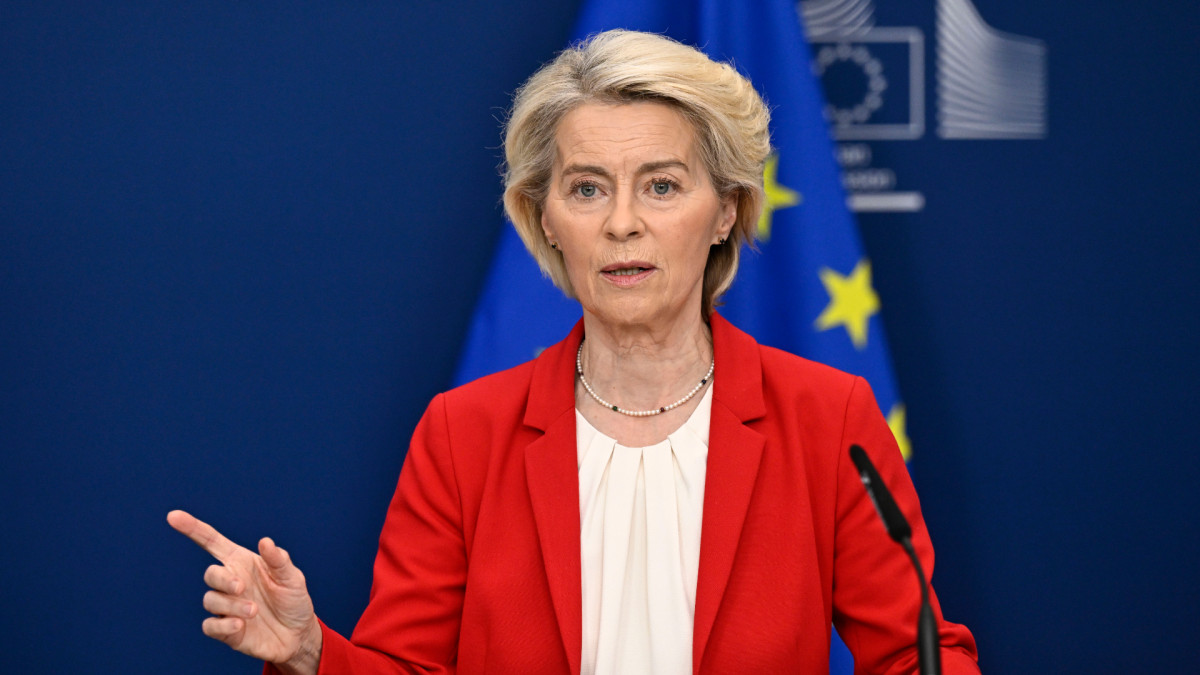
The European Commission is now assessing whether Hungary’s deal aligns with the bloc’s broader objectives. At the same time, negotiations continue over further diversification efforts and possible exemptions for the most affected countries. Observers believe this episode could reignite a fundamental debate within the EU: flexibility versus unity.
For Hungarian citizens, the benefits are immediate and tangible — lower energy bills and greater supply security. But whether the deal carries long-term risks, such as future sanctions or potential supply disruptions, remains an open question.
At its core, the clash highlights a persistent fault line within the European Union: national sovereignty versus supranational energy policy. While Orbán insists he is acting in the best interest of his people, Brussels remains committed to a future free from Russian energy dependence.
What happens next will depend on how the deal is implemented, how Brussels responds, and how global energy markets evolve. One thing is clear: energy policy in Europe is no longer just technical — it is deeply political, where national interests and collective solidarity are on a direct collision course.






