Mark Carney’s Bold Pivot to Qatar Leaves U.S. Diplomacy Reeling in High-Stakes Trade Realignment
A Sudden Shift in Global Alliances Shakes Washington
In a move that has sent shockwaves through diplomatic and financial circles, Canadian Prime Minister Mark Carney has executed what many analysts are calling one of the most audacious economic reorientations in modern Canadian history. Just days after securing sweeping trade concessions from China—including slashed tariffs on electric vehicles and canola—Mr. Carney landed in Doha, Qatar, to finalize investment agreements that could channel hundreds of billions of dollars into Canadian infrastructure, energy, and strategic industries over the coming decades. The development has left American officials scrambling and has exposed deep fissures in the once-ironclad U.S.-Canada economic relationship.
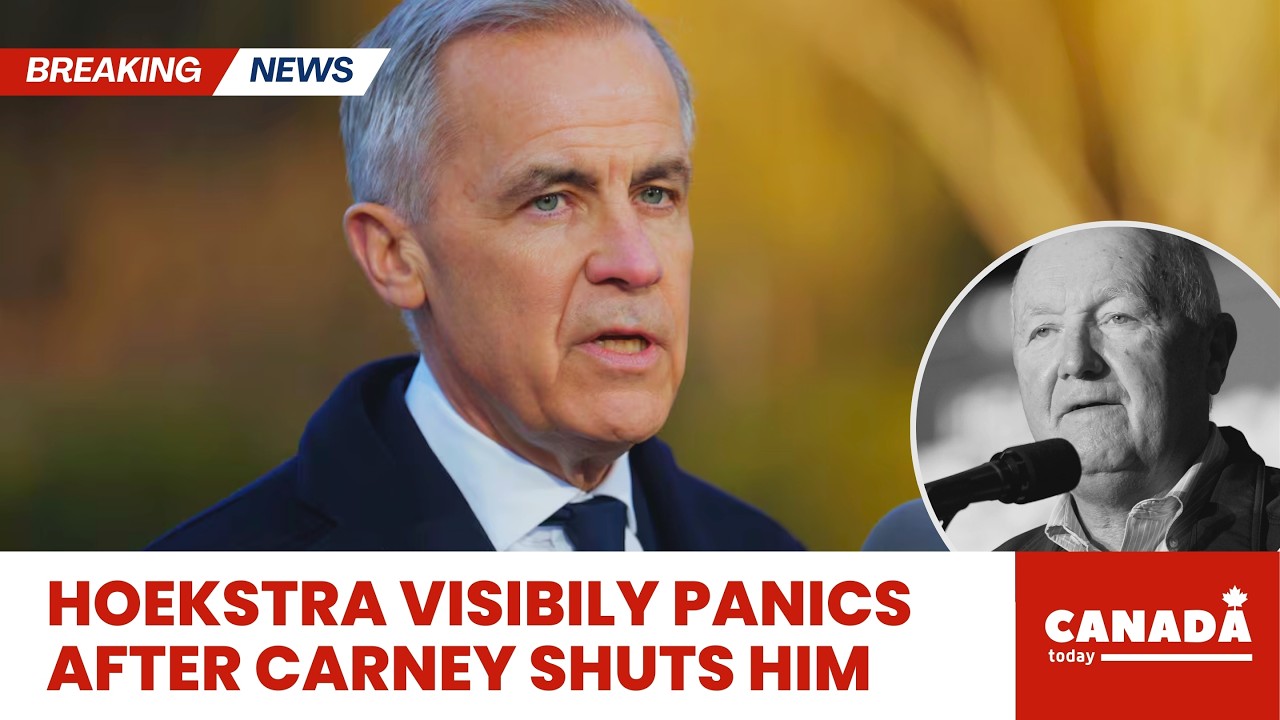
The timing could not have been more provocative. On the very day Mr. Carney’s plane touched down in Qatar, U.S. Ambassador to Canada Pete Hoekstra delivered a blunt, unscripted message during a radio interview: “We do not need Canada.” The statement, delivered without qualification, was interpreted by many in Ottawa and beyond as a defensive outburst rather than a position of strength.
The Diplomatic Flashpoint: Hoekstra’s Remark Ignites Controversy
Ambassador Hoekstra’s words were not lost on Canadian audiences. Coming in the immediate aftermath of Canada’s high-profile reset with Beijing and the launch of talks with one of the world’s most powerful sovereign wealth funds, the comment was widely viewed as an admission of anxiety rather than confidence. For years, Washington has relied on Canada’s geographic proximity and deeply integrated supply chains to maintain economic leverage. That assumption, analysts say, has now been shattered.
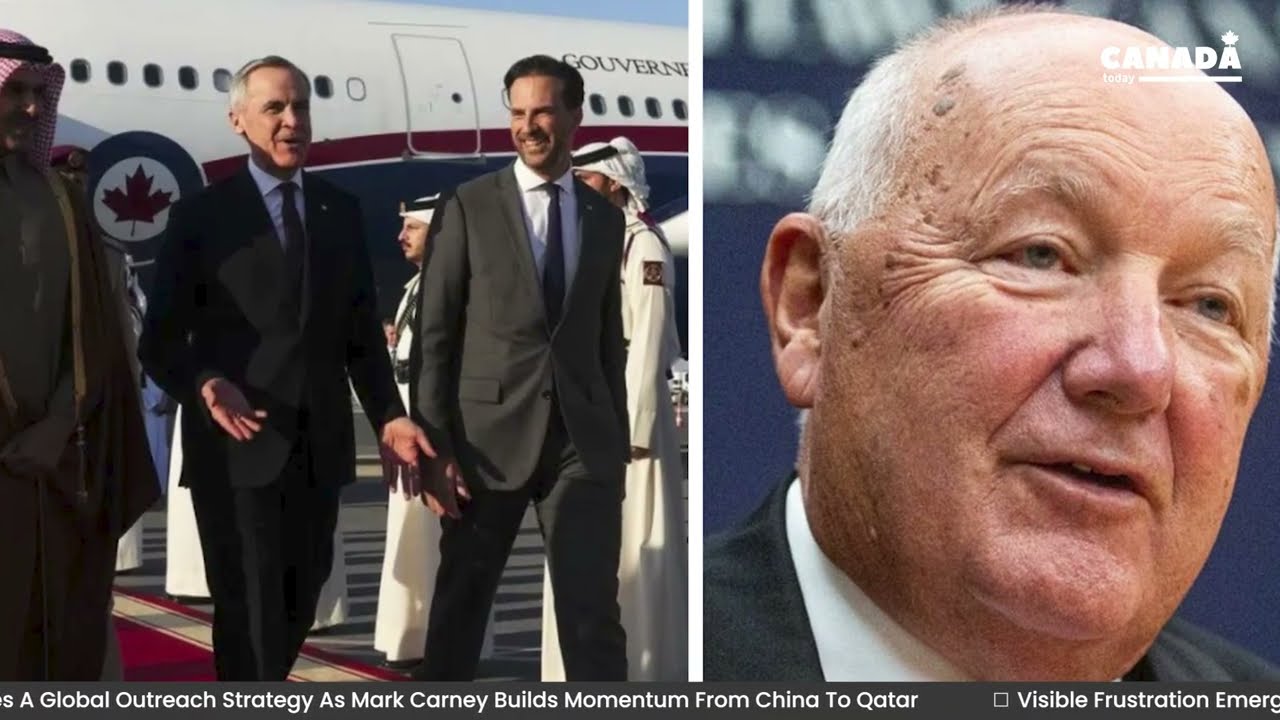
Mr. Carney, the former governor of both the Bank of Canada and the Bank of England, has long been recognized as one of the world’s most respected economic statesmen. His ability to navigate global financial crises—from the 2008 meltdown to Brexit—has given him unparalleled credibility in capital markets. In Doha, he is not merely negotiating trade quotas; he is pitching Canada as a safe, rule-of-law haven for long-term capital at a time when geopolitical volatility is driving investors to diversify away from riskier jurisdictions.
Billions at Stake: The Economic Implications of the Qatar Pivot
The financial scale of the Qatar discussions is staggering. Qatar’s sovereign wealth fund, the Qatar Investment Authority, manages assets estimated at over $500 billion. Sources close to the negotiations indicate that preliminary agreements could see tens of billions directed toward Canadian projects ranging from high-speed rail corridors and northern infrastructure to clean-energy pipelines and critical-minerals processing facilities.
This capital infusion arrives at a critical moment for Canada. After years of uncertainty stemming from U.S. tariff threats on steel, aluminum, lumber and automobiles, Canadian businesses have been forced to contend with supply-chain disruptions and rising costs. The prospect of stable, long-term funding from Gulf states offers a lifeline—and a strategic hedge against American unpredictability.
Meanwhile, American industries that rely on Canadian inputs are watching nervously. Energy companies in the Midwest, automakers in Michigan, and construction firms across the Northeast could face higher costs if Canadian resources are increasingly diverted to other partners. The sudden redirection of economic gravity toward Asia and the Middle East has already prompted private warnings from U.S. business leaders that Washington’s aggressive posture may have permanently damaged a once-reliable alliance.
Carney’s Global Strategy: Diversification as National Security
Mr. Carney has framed his diplomatic offensive as a matter of national resilience. In recent months, he has repeatedly emphasized that Canada must no longer allow its economic future to hinge on the political winds in Washington. The China deal slashed punitive tariffs and opened doors for electric-vehicle manufacturing on Canadian soil. The Qatar initiative takes the strategy further: securing patient capital that does not vanish with the next election cycle.
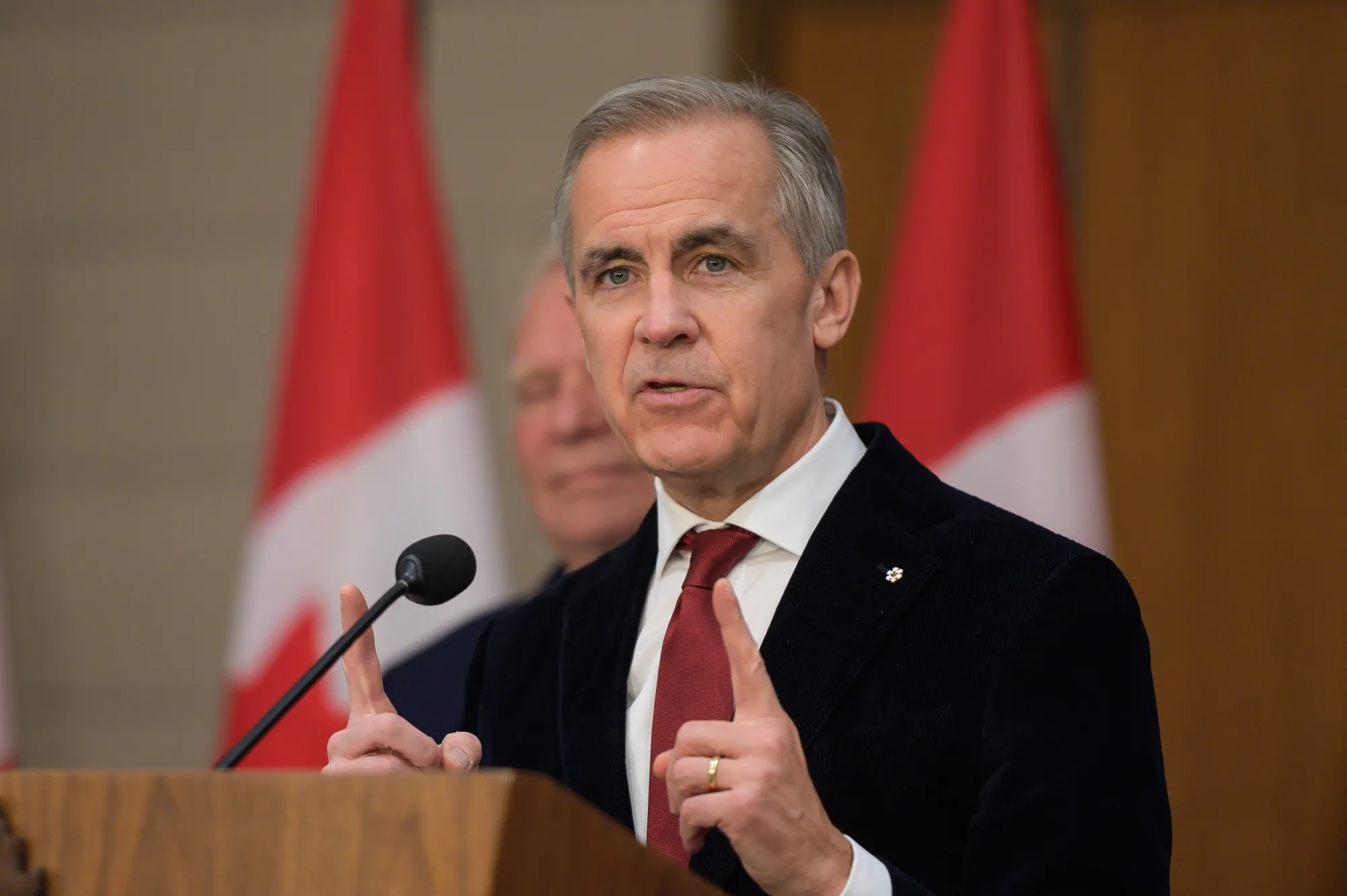
Critics in the United States have accused Mr. Carney of “pivoting away” from traditional allies. Supporters counter that Canada was pushed, not pulled. Repeated threats of tariffs, border taxes, and renegotiated trade terms under the previous U.S. administration left Ottawa with little choice but to seek new partners. What began as pragmatic diversification has now evolved into a deliberate, high-profile realignment.
The Human Cost: Anxiety in Boardrooms and on Factory Floors
In Detroit and Buffalo, executives are recalculating supply chains. In Calgary and Vancouver, energy firms are preparing proposals tailored to Gulf investors. Across the border, the mood is tense. One senior U.S. trade official, speaking on condition of anonymity, described the atmosphere in Washington as “caught off guard by the speed and scale” of Canada’s moves.
The irony is not lost on observers: a relationship that once seemed unbreakable is now fraying because of repeated attempts to strong-arm it. Mr. Carney, known for his calm demeanor, has shown that quiet competence can sometimes speak louder than bluster.
A New Era for Canadian Foreign Policy?
As the Doha talks continue behind closed doors, the world is watching to see how far Canada’s pivot will extend. Will more Gulf states follow Qatar? Will European and Asian investors join the rush? And perhaps most importantly, how will Washington respond to a Canada that no longer waits for permission to chart its own economic course?
The answers may not come quickly, but the stakes could not be higher. For the first time in generations, the United States finds itself on the outside looking in on a major Canadian economic realignment—one orchestrated by a prime minister who has spent his career preparing for exactly this kind of moment.






