Trump Melts Down After Robert De Niro Exposes Him Live — Midnight Rants, Political Chaos, and a Public Unraveling
Donald Trump erupted into a late-night meltdown after legendary actor Robert De Niro delivered a blistering public indictment of his character, intelligence, and fitness for power. What began as a series of sharp remarks on live television quickly escalated into a full-scale political spectacle, exposing a familiar pattern: criticism met not with rebuttal, but with rage.
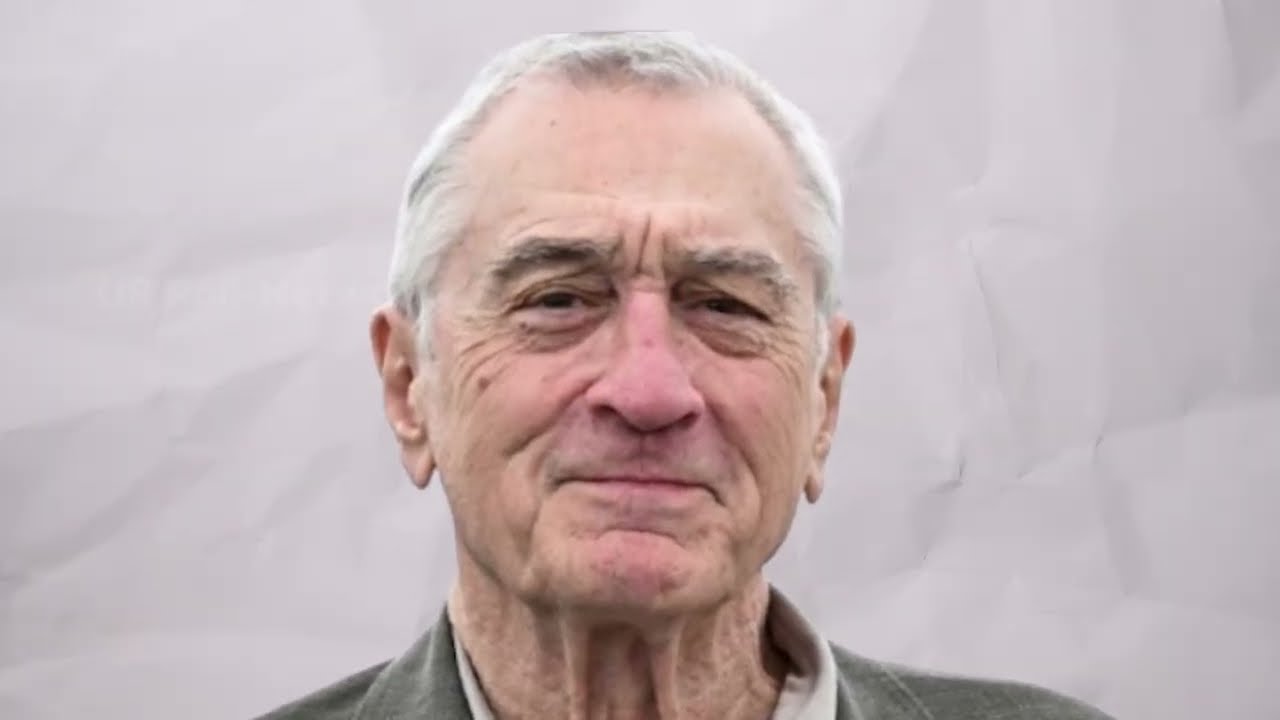
De Niro, a two-time Oscar winner known for portraying some of cinema’s darkest figures, has spent years warning about Trump’s behavior. Speaking bluntly, he described Trump as lacking empathy, driven by insecurity, and psychologically dangerous. Drawing on decades of observing Trump as a fellow New Yorker, De Niro argued that Trump’s conduct goes beyond politics, reflecting something “deeply broken” and corrosive to the country itself.
The actor’s remarks landed at a moment of growing turmoil for Trump. His attempt to push a criminal investigation into Federal Reserve Chair Jerome Powell backfired spectacularly, triggering bipartisan outrage. Former Republican and Democratic Fed chairs and Treasury secretaries issued an unprecedented joint statement defending the Fed’s independence, while GOP senators openly questioned whether Trump’s Justice Department was being weaponized for political revenge.
As pressure mounted, De Niro appeared outside a Manhattan courthouse during Trump’s hush-money trial, delivering some of his most forceful comments yet. He warned that Trump, once dismissed as a clown, now posed a serious authoritarian threat. New York, De Niro said, tolerates eccentrics—but not men willing to dismantle democracy. The remarks drew cheers, protests, and wall-to-wall media coverage.
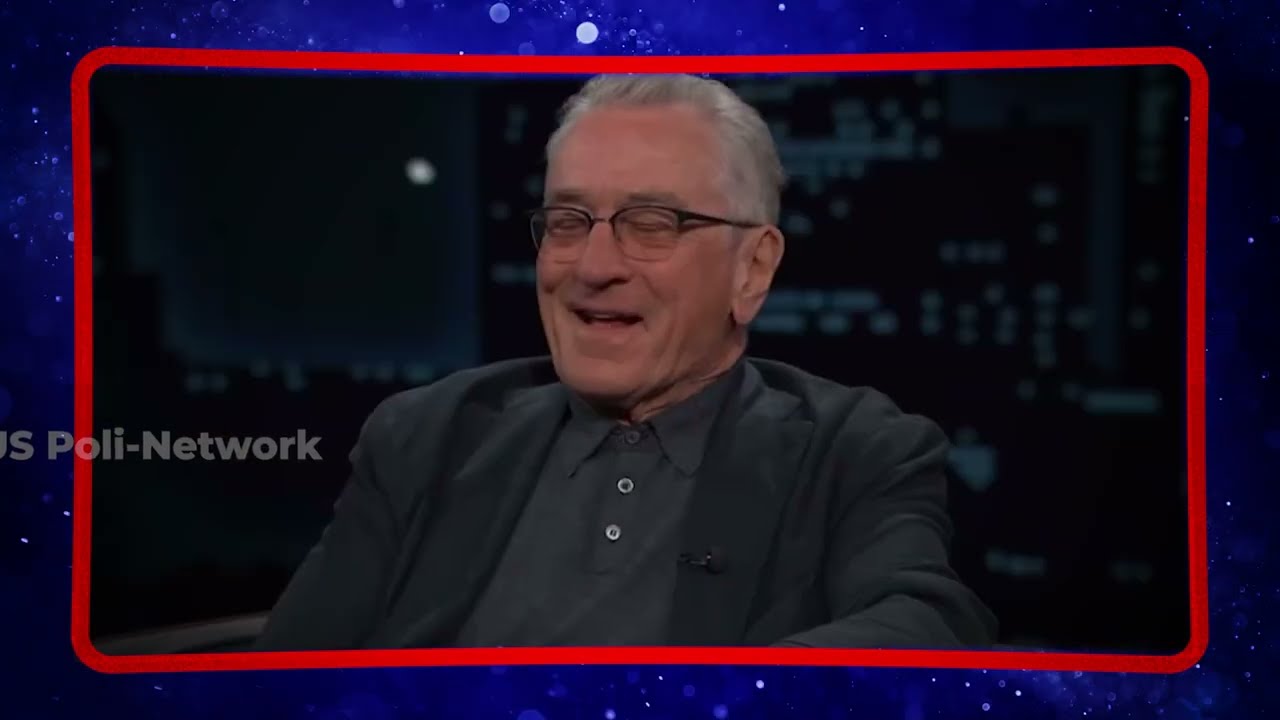
Trump’s response came just after midnight on Truth Social. Instead of addressing the substance of the criticism, he launched a string of personal attacks, mocking De Niro’s age, height, intelligence, and career. He accused the actor of being “punch-drunk,” claimed his movies had lost value, and insisted De Niro was suffering from “Trump Derangement Syndrome.” The posts read less like a political defense and more like an emotional unraveling.
The contrast was stark. While De Niro spoke publicly, often face-to-face with hostile crowds, Trump lashed out from behind a screen, surrounded by security and grievance. Each insult seemed to reinforce De Niro’s original point: when confronted with documented criticism, Trump defaults to projection and name-calling rather than facts.
The clash also highlighted broader instability within Trump’s orbit. Even Republican senators began distancing themselves, with some dismissing Trump’s actions as mere “trolling,” while others blocked his nominees in protest. What was meant to intimidate institutions instead exposed Trump’s weakening grip over his own party and the systems he once claimed to dominate.
In the end, the episode revealed more than a celebrity feud. It showed how a former president reacts when confronted by someone immune to intimidation. An 80-year-old actor spoke plainly about power and accountability, and the response was a sleepless night of online fury. For many observers, Trump’s meltdown didn’t discredit De Niro—it confirmed him.






