Europe Pushes Back as Trump’s Greenland Threats Trigger Emergency Talks and Trade Fallout

Brussels — European leaders convened emergency meetings on Monday after former Donald J. Trump announced he would impose sweeping new tariffs on European countries unless they supported a United States move to take control of Greenland, a semi-autonomous territory under the Kingdom of Denmark and protected by NATO.
The threat — which Trump described in social media posts and remarks to allies as a “strategic necessity” — has sent shockwaves through European capitals, accelerated trade retaliation plans, and raised alarms across NATO about the unprecedented prospect of conflict between alliance members.
European Union ambassadors met in Brussels within hours of Trump’s announcement, while lawmakers in Strasbourg signaled they were prepared to suspend ratification of a long-negotiated U.S.–E.U. trade framework. According to multiple European officials, the tariffs Trump described would range from 10 to 25 percent, targeting countries that publicly opposed a U.S. intervention in Greenland or participated in defensive exercises there.
“This is not negotiation,” one senior E.U. diplomat said privately. “This is coercion.”
“We Will Not Be Blackmailed”
The most forceful response came from Northern Europe, where Greenland’s security is viewed as inseparable from regional stability in the Arctic.
Sweden’s prime minister said in a statement widely shared across European government channels that only Denmark and Greenland have the authority to decide Greenland’s future, adding that “Europe will not allow itself to be blackmailed by threats of tariffs or force.”
France went further.
President Emmanuel Macron, speaking after France confirmed its participation in Arctic defense exercises alongside Danish and Greenlandic forces, framed Trump’s remarks as part of a broader challenge to international norms.
“No intimidation or threat will influence us,” Macron said. “Not in Ukraine. Not in Greenland. Not anywhere.”
His comments, circulated widely by French media and U.S. political accounts, explicitly linked European resistance to Trump’s Greenland posture with Europe’s stance against Russian aggression — a comparison that underscored how seriously European leaders view the crisis.
NATO Anxiety and a Stark Warning From Poland
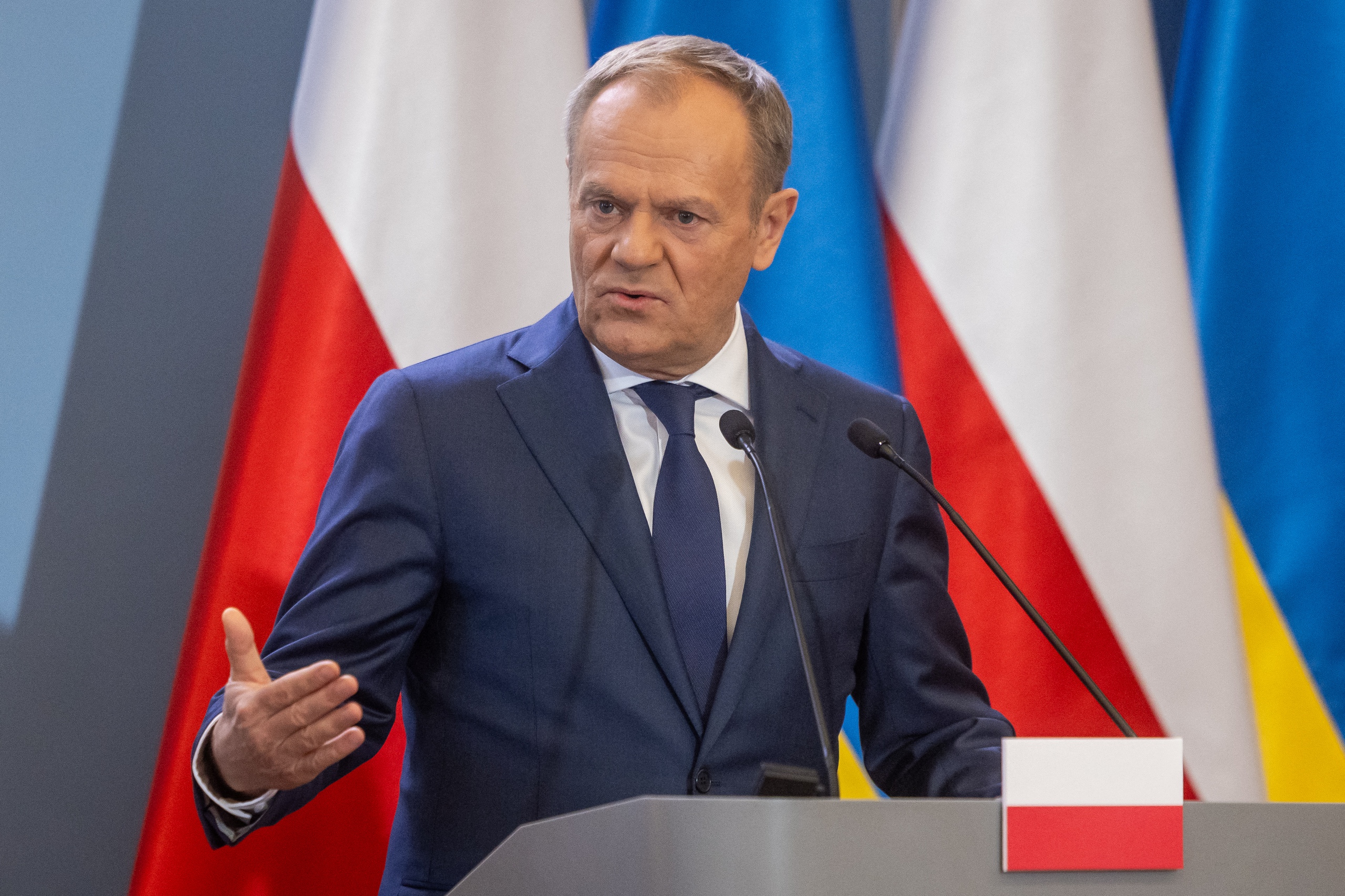
Perhaps the most alarming reaction came from Poland.
Prime Minister Donald Tusk warned that an armed conflict between NATO members — particularly if initiated by the United States — would represent “the end of the world as we know it.”
A U.S. move against Greenland, he said, would amount to one NATO country attacking another, shattering the alliance’s core principle of collective defense.
European defense officials privately echoed the concern, noting that Greenland’s strategic value — missile detection, Arctic shipping routes, and rare earth minerals — has made it a focal point of great-power competition, but never before a flashpoint between allies.
Trade War Accelerates as Europe Looks Elsewhere
As tensions mounted, the European Union announced progress on a landmark free-trade agreement with the Mercosur bloc of South American nations — Brazil, Argentina, Paraguay, Uruguay, and Bolivia — bringing together nearly 700 million consumers.
European Commission President Ursula von der Leyen framed the deal as a deliberate contrast to Washington’s posture.
“We choose fair trade over tariffs,” she said. “Partnership over isolation.”
Trade analysts noted that the agreement — finalized in Paraguay — would significantly benefit South American agricultural exporters while reducing European dependence on U.S. markets at a moment of deep uncertainty.
At the same time, Canada moved forward with a trillion-dollar strategic energy partnership with China, underscoring how rapidly U.S. allies are diversifying away from Washington amid fears of trade instability.
A Controversial “Peace Board”
Compounding the backlash was a Bloomberg report, widely discussed on American social media, revealing that Trump had proposed a new “Board of Peace” — an entity some diplomats interpreted as a potential rival to the United Nations.
According to the draft charter obtained by Bloomberg, countries seeking permanent membership would be asked to contribute $1 billion, with language suggesting that Trump himself would control the funds.
While the White House later insisted the payment was “not obligatory,” the clarification did little to quell concern. Sources told Bloomberg that several governments — including Israel — rejected the proposal outright.
“This would be unprecedented,” said a former U.N. official. “A peace institution tied financially and structurally to one individual.”
Support at Home, Skepticism Abroad
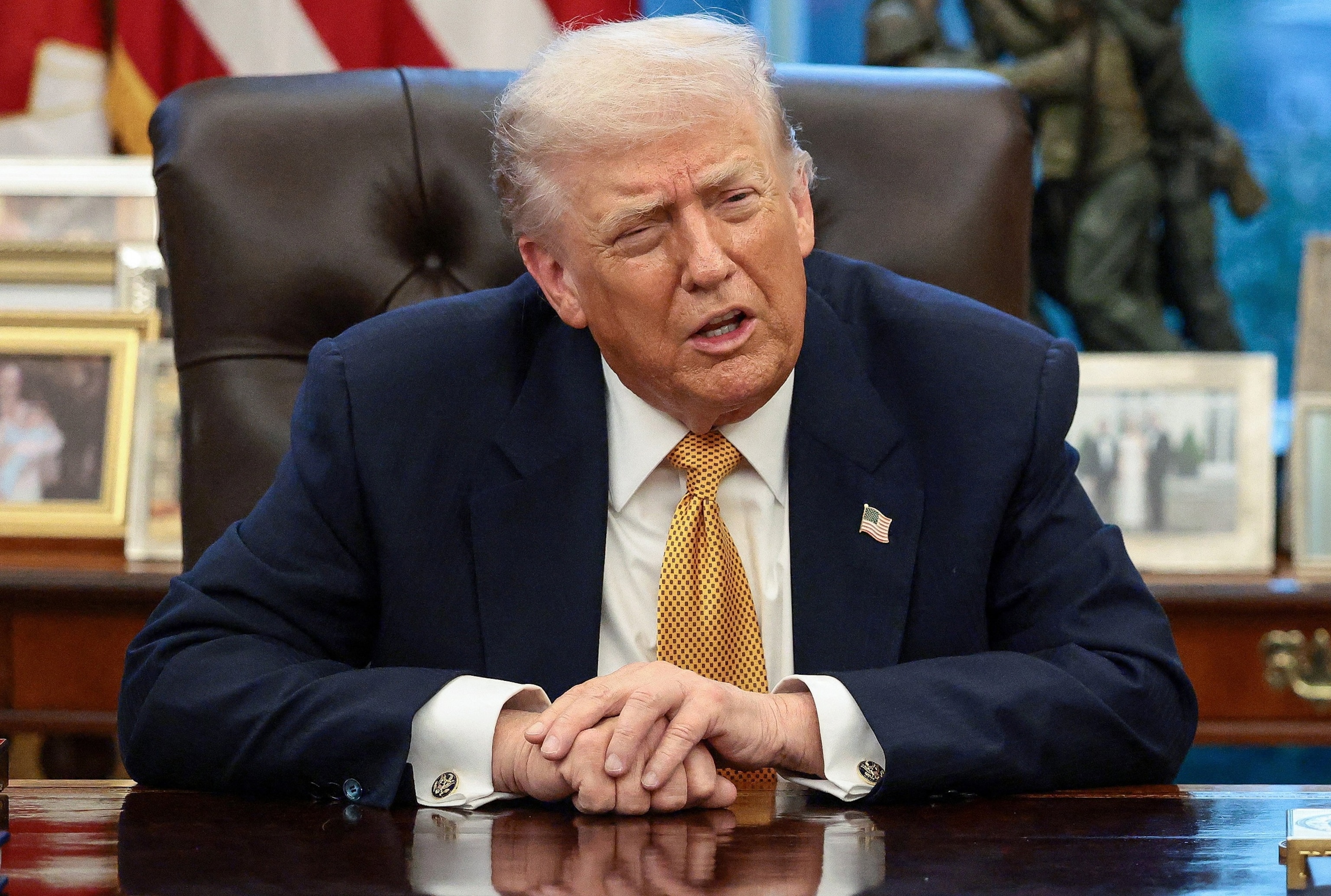
Within the United States, reactions were sharply divided.
Some Trump allies defended the strategy as hard-nosed diplomacy. Senator Jim Banks of Indiana praised the tariff threats as leverage to “bring Denmark to the table,” arguing that U.S. control of Greenland would prevent China or Russia from gaining influence in the Arctic.
Others, including members of both parties, expressed alarm. Former diplomats and military officials warned that the rhetoric alone was already damaging U.S. credibility and pushing allies toward defensive postures.
Public polling shared by major U.S. media outlets has shown strong domestic opposition to any attempt to seize Greenland, including among Republican voters.
A Moment of Reckoning
European leaders are now coordinating a unified response that could include retaliatory tariffs, legal action under World Trade Organization rules, and expanded security cooperation independent of Washington.
What began as a provocative statement has evolved into a crisis that touches nearly every pillar of the post-World War II order: free trade, NATO solidarity, and the principle that borders cannot be changed by force.
“This is bigger than Greenland,” a senior European official said. “It’s about whether the rules still apply — even to the most powerful country in the world.”
As emergency meetings continue in Brussels, one thing is clear: Europe is preparing not just to respond to tariffs, but to a fundamental test of the transatlantic relationship itself.






