Europe’s Quiet Financial Pivot Away From the United States
A subtle but consequential shift is unfolding across global financial markets. European investors, long among the largest holders of American assets, are beginning to reduce their exposure to the United States.
The movement is not abrupt, nor is it coordinated in any formal sense. Yet across pension funds, banks, and private equity firms, the direction is increasingly clear.
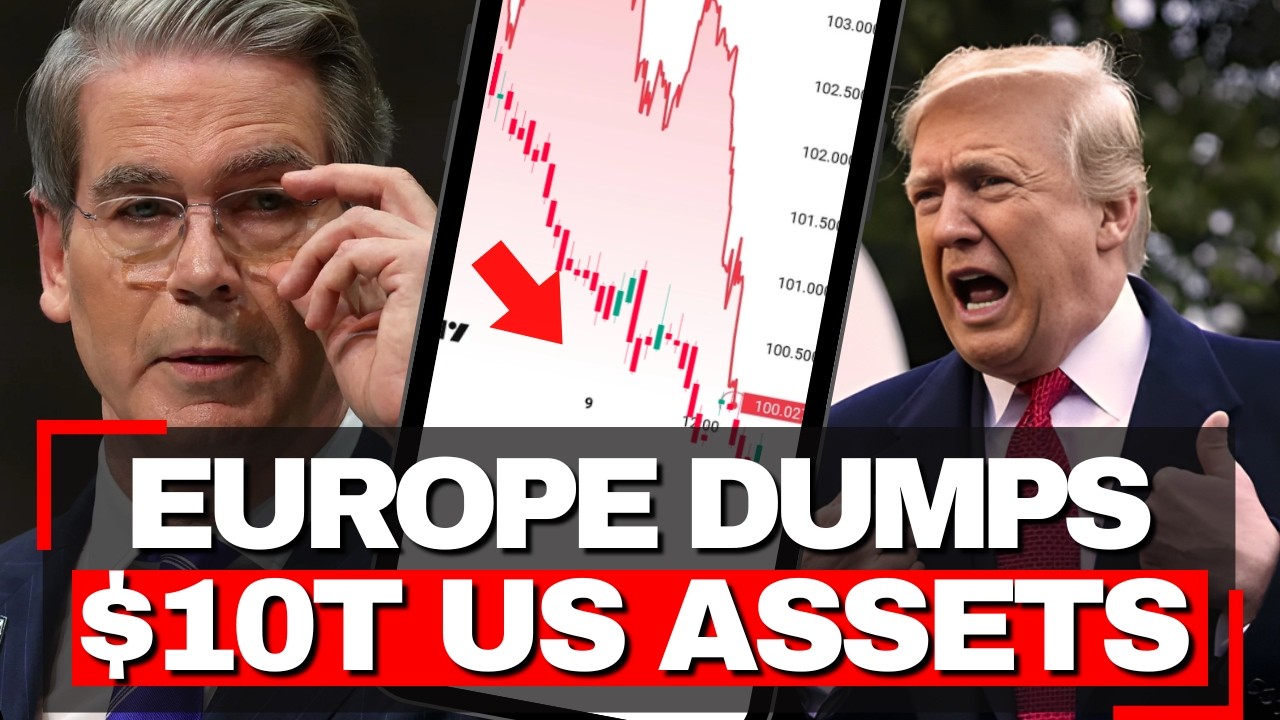
Estimates suggest that European institutions collectively hold close to $10 trillion in U.S. assets, spanning Treasury bonds, equities, real estate, and private investments. Even a modest reallocation of that capital has the potential to ripple through global markets.
What is emerging now appears less like routine portfolio adjustment and more like the early stages of structural realignment.
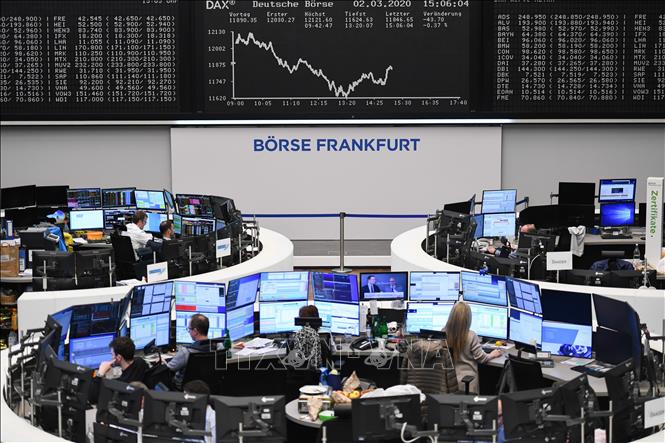
The change is visible in discrete decisions. A Danish pension fund quietly divested its entire U.S. Treasury portfolio earlier this year, citing concerns over American fiscal sustainability. Around the same time, Italy’s UniCredit made a €35 billion bid for Germany’s Commerzbank, signaling a renewed focus on consolidating financial strength within Europe rather than expanding abroad.
Taken individually, such moves might seem isolated. Together, they suggest a broader reassessment of risk. European asset managers, including industry leaders like Amundi, have begun advising clients to diversify away from what they describe as increasingly concentrated and highly valued U.S. markets. The language is measured, but the implication is unmistakable: reduce dependence.
This shift comes after years of deepening financial integration. American firms expanded aggressively into European markets over the past decade, increasing their share of European-managed assets. At the same time, European capital flowed steadily into U.S. markets, drawn by liquidity, scale, and strong returns.
Now, that flow is beginning to reverse. European banks that once sought to build a presence in the United States are reassessing the costs of operating across two regulatory systems. For smaller institutions in particular, the burden of compliance has begun to outweigh the benefits of access.
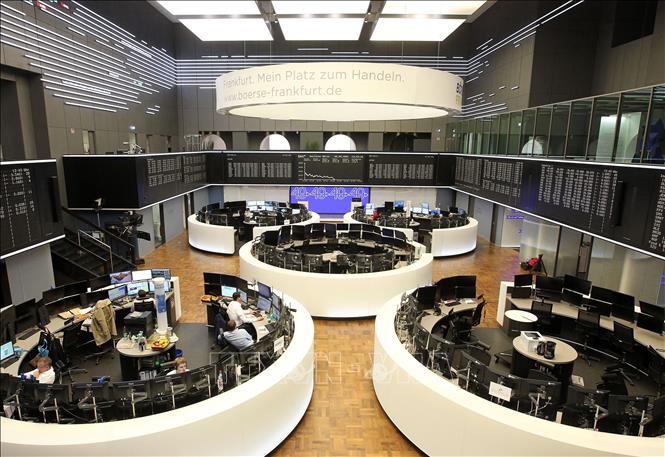
Private equity firms are making similar calculations. Increasingly, European funds are directing capital toward domestic infrastructure, energy projects, and mid-market companies. These investments align not only with economic opportunity but also with policy priorities, including energy security and decarbonization.
Regulation is playing a significant role in this shift. European environmental, social, and governance requirements have grown more stringent, particularly for pension funds. At the same time, several U.S. states have moved in the opposite direction, adopting policies that discourage ESG-based investing. The divergence has created a growing incompatibility between the two systems.
For European investors, the result is a narrowing set of viable opportunities in the United States. Maintaining compliance at home increasingly means limiting exposure abroad. Analysts estimate that tens of billions of dollars could be reallocated as funds adjust to meet evolving standards.
Geopolitics has added another layer of complexity. Trade tensions and policy unpredictability have raised questions about the reliability of the United States as an economic partner. Episodes such as tariff threats and disputes over strategic territories have contributed to what some market observers describe as a “risk premium” on American assets.
The implications extend beyond markets. Europe is confronting a demographic transition, with hundreds of thousands of businesses expected to change ownership in the coming years. Ensuring that these firms remain under European control requires sufficient domestic capital. Without it, they risk acquisition by foreign investors, as has happened in the past.
Policymakers have taken note. The concept of “strategic autonomy,” once largely confined to defense and technology, is now being applied to finance. The goal is to build capital markets capable of supporting European growth independently, reducing reliance on external funding sources.
None of this suggests a wholesale retreat from the United States. American markets remain among the most dynamic and profitable in the world, and European investors continue to benefit from their depth and liquidity. Indeed, many institutions are adopting what they describe as a balanced approach, maintaining exposure while reducing concentration.
Still, the trajectory points toward a more fragmented financial landscape. As regulatory frameworks diverge and geopolitical tensions persist, cross-border investment may become more complex and less predictable.
In that sense, the current moment may mark not a rupture but a recalibration. Europe is not turning away from the United States so much as it is redefining the terms of engagement—seeking resilience in a world where economic alliances can no longer be taken for granted.






