Minneapolis on the Brink: Trump Floats the Insurrection Act as Violence, Rhetoric and Misinformation Collide
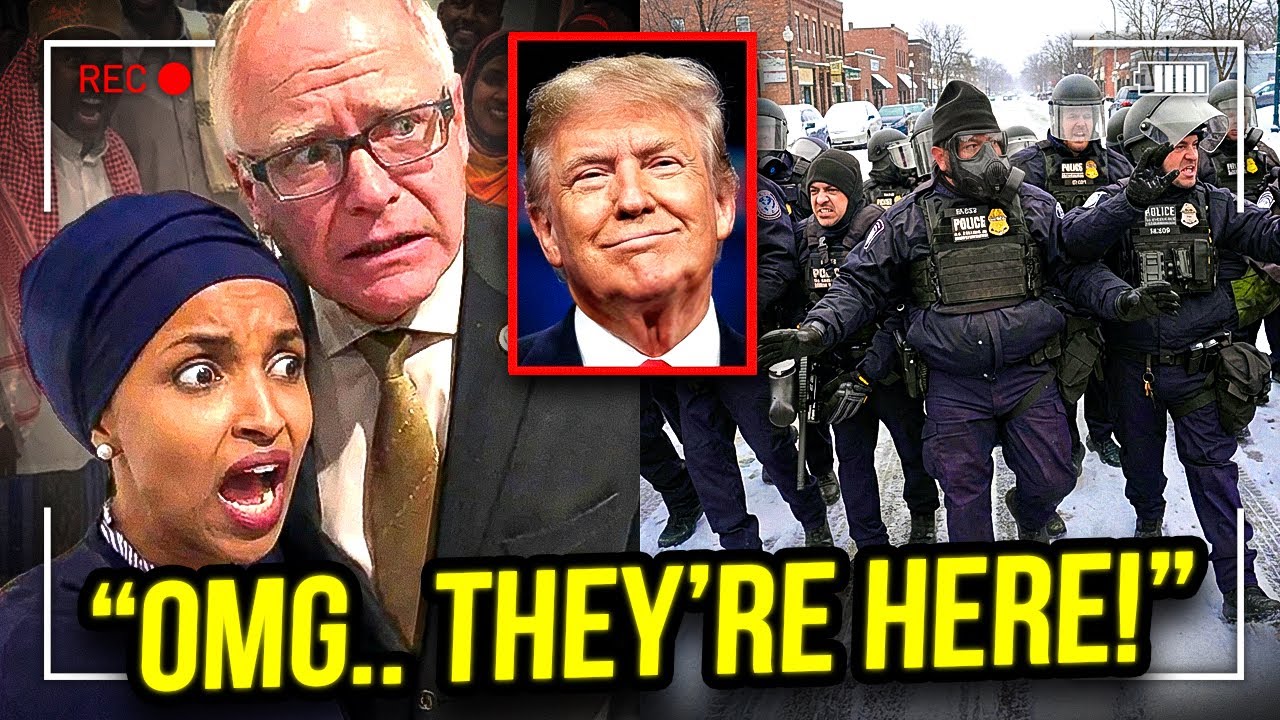
MINNEAPOLIS — As clashes between protesters and federal agents intensified in Minneapolis this week, President Donald Trump publicly raised the possibility of invoking the Insurrection Act, an extraordinary step that would allow him to deploy federal troops or seize control of the Minnesota National Guard. The suggestion immediately ignited a national debate: would such an action restore order — or pour gasoline on an already volatile situation?
The president’s comments came after nights of unrest tied to immigration enforcement operations by Immigration and Customs Enforcement in and around Minneapolis. Protesters blocked streets, confronted law enforcement vehicles and, in some cases, damaged federal property. Video clips of the confrontations spread rapidly across X, YouTube and TikTok, fueling competing narratives that have become as consequential as the events themselves.
“This Cannot Continue”
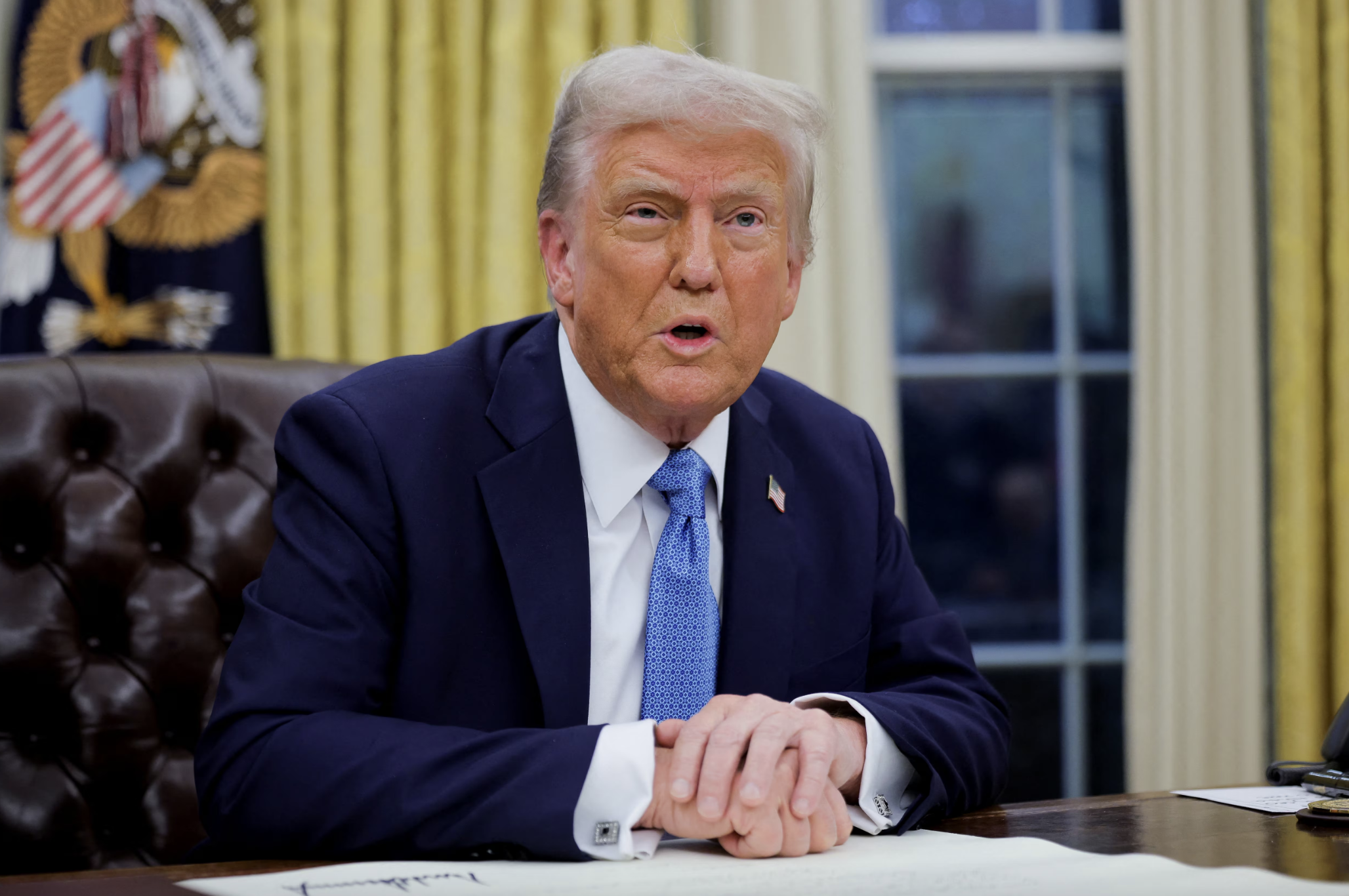
Speaking to reporters, the president said the Insurrection Act “has to be on the table” if state and local leaders fail to restore order. “There is going to be more bloodshed,” he warned, adding that he planned to discuss the matter with senior advisers and meet with the president the following day.
In a statement posted online, Trump accused “corrupt politicians” in Minnesota of allowing what he called “professional agitators and insurrectionists” to attack federal officers. He said invoking the law would “quickly put an end to the travesty.”
The response from Minnesota officials was swift and defiant. Governor Tim Walz said the president’s language risked inflaming tensions. “Calling in troops would escalate, not calm, an already dangerous situation,” he said, urging Minnesotans to protest peacefully and avoid confrontation.

What Happened on the Ground
The immediate flashpoint was a federal operation that ended with a shooting involving an ICE agent and a civilian. Law enforcement officials said agents were confronted by a crowd, some of whom wielded improvised weapons. Two people were injured in the encounter.
Minneapolis Police Chief Brian O’Hara described the scene as “highly volatile,” noting that fireworks and other objects were thrown at officers responding to the incident. He urged residents to disperse, warning that “unlawful assemblies” were increasing the risk of further injuries.
The Minnesota Bureau of Criminal Apprehension and the FBI were called in to investigate, underscoring the seriousness of the episode. At the same time, city leaders emphasized that local police were not directing federal immigration operations — a distinction often lost in viral social media clips.
The Insurrection Act: Rare, Powerful and Risky
The Insurrection Act, passed in 1807, grants the president broad authority to deploy military forces within the United States to suppress rebellion or enforce federal law when state authorities are unwilling or unable to do so. It has been used sparingly, most notably during the Civil Rights era to enforce desegregation orders and quell riots.
Legal scholars say invoking it now would be extraordinary. “The threshold is high, not just legally but politically,” said a constitutional law professor at Georgetown University. “Once troops are on the streets, the dynamics change dramatically.”
Critics argue that federalizing the National Guard or deploying active-duty troops could escalate confrontations, particularly in a city with a long history of tension between law enforcement and communities of color. Supporters counter that images of damaged federal vehicles and attacks on officers demonstrate a breakdown of order that warrants decisive action.
Competing Narratives, Fueled Online
As protests unfolded, online personalities with millions of followers amplified dramatic footage, sometimes without context. Influencers portrayed Minneapolis as “out of control,” while activists accused federal agents of overreach and intimidation.
One widely shared clip showed protesters surrounding vehicles believed to belong to ICE; another depicted law enforcement dispersing crowds with chemical agents. Fact-checkers noted that some claims — including allegations that protesters seized large caches of weapons — were exaggerated or unsupported.
“This is the age of narrative warfare,” said a media studies expert at the University of Minnesota. “What people believe is happening can matter as much as what’s actually happening.”
State Leaders Push Back
Mayor Jacob Frey criticized the president’s threat as premature and dangerous. “We cannot have two levels of government fighting each other in the streets,” he said. “That’s how people get hurt.”
Walz, who has called for dialogue with federal officials, warned that invoking the Insurrection Act would undermine cooperation. “Turning Minnesota into a militarized zone is not leadership,” he said.
Both leaders acknowledged public anger over immigration enforcement tactics but urged residents not to target police or federal agents. “Violence only strengthens the hand of those who want to crack down harder,” Frey said.
A Justice Department Undercurrent
Adding to the tension, CNN reported that the Department of Justice was examining whether state and local officials obstructed federal law enforcement — a claim Minnesota officials denied, saying they had not been notified of any investigation.
The report intensified partisan rhetoric, with allies of the president suggesting potential criminal liability for state leaders, while Democrats accused the administration of intimidation. Legal experts cautioned that preliminary inquiries are common and do not imply wrongdoing.

Would Troops Help — or Hurt?
Security experts are divided on whether invoking the Insurrection Act would restore calm. Some argue that the presence of the National Guard, under federal command, could protect federal facilities and deter attacks. Others warn that uniformed troops confronting civilians could trigger larger demonstrations and international scrutiny.
“History shows that troops can stop riots,” said a former National Guard commander. “But it also shows they can become a symbol that galvanizes opposition.”
Public opinion appears similarly split. Polling conducted after previous unrest suggested Americans support restoring order but remain wary of military force against civilians.
The Road Ahead
For now, federal authorities have not announced any invocation of the Insurrection Act. National Guard units remain on standby under state control, and additional federal law enforcement has been deployed to protect facilities.
What happens next may depend less on legal authority than on leadership choices — and on whether officials at every level can lower the temperature. As one longtime Minneapolis community organizer put it, “We’re standing at a crossroads. One path leads to more force. The other leads to de-escalation. The consequences couldn’t be more different.”
In a city still marked by the memory of past upheaval, the stakes of that choice are unmistakably high.






