Canada’s Quiet Tourism Boycott Is Costing the United States Billions
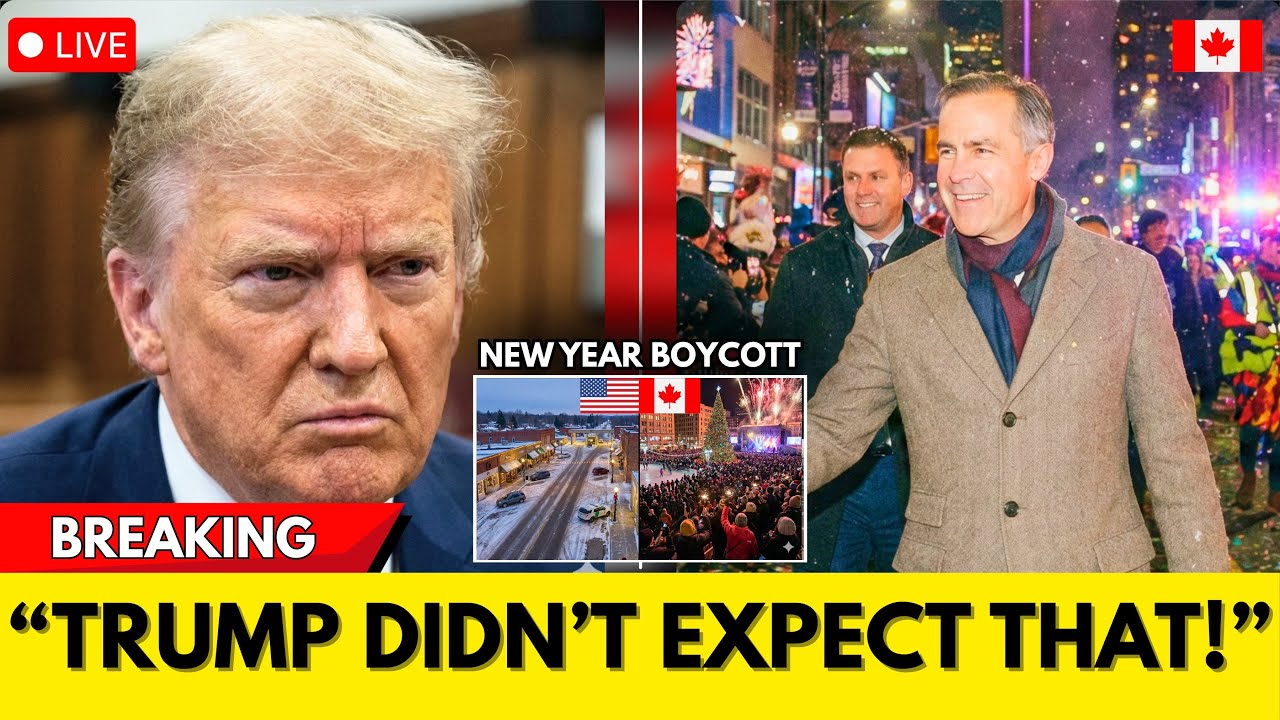
By late 2025, the damage was no longer anecdotal. It was measurable, geographic, and accelerating.
In Montana, ski towns accustomed to winter weekends filled with Canadian license plates reported empty hotel rooms. In Florida, snowbird-heavy counties recorded double-digit declines in visitors. In Maine, restaurant owners described a year worse than the pandemic. At U.S.–Canada border crossings, duty-free shops cut staff by more than half, some by as much as 80 percent.
The cause was not a recession. Not exchange rates. Not airfare.
It was Canada.
According to estimates from the U.S. Travel Association, the United States tourism industry lost approximately $5.7 billion in 2025 as international visitor spending fell sharply. The decline, the association and congressional analysts concluded, was driven overwhelmingly by one group: Canadians, the single largest source of international visitors to the United States.
Their absence was not accidental.
Over the past year, millions of Canadians made an individual, voluntary decision to avoid traveling south — a consumer backlash widely described by tourism officials, lawmakers, and economists as a de facto tourism boycott, triggered by President Donald Trump’s rhetoric and policies toward Canada.
“This wasn’t organized by the Canadian government,” said one senior tourism analyst familiar with cross-border travel data. “It was organic. And that’s what makes it so powerful.”
A Sudden Drop From America’s Biggest Tourism Market
Canadians account for roughly 28 percent of all international visitors to the United States. In 2024 alone, they spent more than $20 billion, crossing the border more than 20 million times for shopping, vacations, family visits, and seasonal stays.
That flow collapsed in 2025.
Statistics Canada data showed return trips to the United States fell 24 percent for air travel and 30 percent for land travel year over year. In some months, road crossings declined nearly 40 percent. Border states including New Hampshire, Vermont, Maine, Montana, and New York reported declines between 20 and 30 percent, with localized drops even steeper.
A Longwoods International survey found 60 percent of Canadians said they were less likely to travel to the United States because of American political statements, trade actions, and rhetoric. More than a third had already canceled trips. An Angus Reid poll showed nearly half of Canadians had canceled or were considering canceling U.S. travel plans.
“These aren’t hypothetical intentions,” said one congressional staffer involved in compiling tourism data. “These are booked trips that vanished.”
The Political Trigger

At the center of the backlash was President Trump’s repeated characterization of Canada as economically dependent, politically subordinate, and — in some instances — his public suggestion that it should become the “51st state.”
Combined with renewed tariffs, aggressive trade language, and public confrontations with Canadian leadership, the rhetoric landed differently north of the border than many in Washington anticipated.
“It wasn’t taken as bravado,” said a Canadian political analyst. “It was taken as contempt.”
Ipsos polling showed 68 percent of Canadians reported a worsened view of the United States following tariff announcements and annexation remarks. Tourism officials say the shift was emotional as much as political.
“People didn’t feel welcome,” said a Canadian tour operator whose U.S. business collapsed in months. “So they went somewhere else.”
Real Losses, Real Communities
Congressional testimony and a December report by the Joint Economic Committee documented losses state by state.
In Maine, Old Orchard Beach saw Canadian visitors fall by roughly 50 percent, prompting one business owner to call it “the worst year we’ve ever had — worse than COVID.”
In Montana, where Canadians made up nearly 80 percent of international visitors, border crossings fell nearly 20 percent. One hotel lost tens of thousands of dollars after a single Canadian sports team canceled a large booking.
In Florida, Canadian visitation declined about 20 percent in some quarters, disrupting markets where Canadians account for up to a fifth of seasonal home buyers. Realtors reported listings from Canadian owners selling off properties amid uncertainty.
Even Hawaii, far from the border, recorded a notable decline in Canadian arrivals, with restaurant owners reporting sharply reduced traffic.
“These are not abstract losses,” Senator Maggie Hassan of New Hampshire said in a statement accompanying the committee’s report. “They are lost jobs, closed businesses, and communities under strain.”
Discounts Can’t Fix Distrust
As losses mounted, American tourism boards launched aggressive campaigns aimed at Canadians. Montana rolled out a “Canadian Welcome Pass.” Palm Springs plastered downtown with signs reading “Palm Springs Loves Canada.” California launched a statewide appeal.
The response was muted.
“This isn’t about price sensitivity,” said a tourism economist. “You can’t discount your way out of an insult.”
Many Canadians who canceled U.S. trips redirected spending elsewhere — Mexico, Costa Rica, the Caribbean, Europe — or traveled domestically. Canadian provinces increased tourism budgets to capture the shift, with officials openly acknowledging that money not spent in the United States was staying home.
Even Cuba, under U.S. sanctions, benefited from redirected Canadian tourism, according to industry operators.
Why This May Last
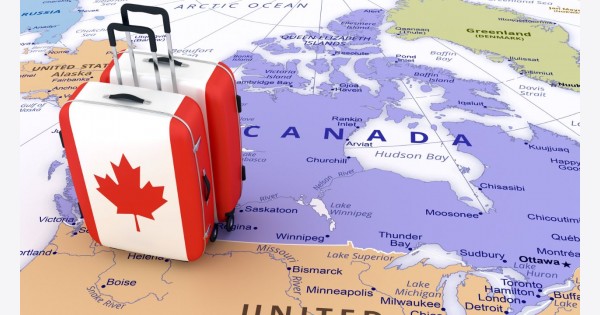
Economists warn that tourism losses differ from manufacturing downturns. Vacation habits, once broken, are slow to return.
“You don’t just lose one year,” said an analyst at Tourism Economics. “You lose future patterns.”
Young Canadians who might have formed lifelong travel routines centered on Florida, New York, or California are building alternatives. Snowbirds are testing new winter homes. Families are discovering new destinations.
The U.S. Travel Association estimates that every 10 percent drop in Canadian tourism puts roughly 14,000 American jobs at risk. Current declines appear well beyond that threshold.
If trade tensions widen to include Europe and Asia, analysts warn the United States could face a $22 billion international tourism loss, contributing to a projected $70 billion travel trade deficit — a reversal from America’s historic surplus.
A Relationship Rewritten
Perhaps the most consequential impact is not financial.
For decades, Canadians viewed the United States as a reliable neighbor — a second home. That assumption has cracked. Tourism officials describe a broader reassessment underway: reduced dependence, diversified travel, and skepticism toward American predictability.
“This is soft power in reverse,” said one former diplomat. “A smaller country using consumer choice to impose costs the larger one can’t easily counter.”
Some U.S. senators have traveled to Ottawa seeking to ease tensions. Others have broken with the White House over tariffs, citing harm to their states. But trust, analysts say, is not restored by apology tours.
President Trump’s approval rating sits in the mid-30s domestically. In Canada, it is significantly lower.
And while policies can be reversed, sentiment lingers.
The $5.7 billion loss is already real. What worries economists more is what comes next: years of lost goodwill, lost habits, and lost revenue — all stemming from a single miscalculation.
That allies would always come anyway.






