Canada and Denmark Lock U.S. Out of Greenland With Strategic Arctic Pact
NUUK, Greenland — A major diplomatic alignment between Canada and Denmark has reshaped the Arctic chessboard, revealing a scale of coordination that few in Washington appeared to anticipate and effectively locking the United States out of any future role in Greenland’s territorial affairs.
The arrangement, formalized in a joint statement released simultaneously from Ottawa and Copenhagen, affirms that Greenland’s sovereignty “belongs exclusively to its people and the Kingdom of Denmark.” The language is deliberately unambiguous — a direct rebuttal to any suggestion that the island’s status might be negotiable.
For the Trump administration, the development highlights the sharp limits of pressure-based diplomacy. Despite multiple rounds of back-channel discussions and public expressions of interest in acquiring Greenland, the United States finds itself not closer to influence — but further away than at any point in decades.
“The surprise inside the White House was palpable,” said a senior European diplomat, speaking on condition of anonymity. “They simply did not see this coming. They assumed that bilateral pressure on Denmark and economic leverage on Canada would keep both in check. Instead, they pushed them together.”
The pact reflects years of quiet cooperation away from U.S.-centric influence. Rather than a sudden rupture, the Canada-Denmark alignment has been building through military exchanges, joint Arctic patrols, and diplomatic coordination on polar issues — all deliberately kept below the media radar.
“This did not happen overnight,” said Dr. Erik Lundgaard, director of the Arctic Studies Centre at the University of Copenhagen. “Canada and Denmark have been deepening their Arctic partnership for years. The only thing that has changed is that they have now gone public — and the message is unmistakable.”
The joint statement goes beyond mere rhetoric. It includes specific commitments to enhanced military cooperation in the High North, including joint naval exercises in waters surrounding Greenland and coordinated overflight rights for Arctic surveillance aircraft.

Critically, the pact also establishes a Canada-Denmark working group on “strategic infrastructure” — a clear signal that the two nations intend to coordinate development of ports, runways, and radar installations on Greenland without U.S. involvement.
For Donald Trump, who has repeatedly floated the idea of purchasing Greenland as a strategic asset, the development represents a complete collapse of that ambition. Without Canadian cooperation — and with Denmark now openly aligned against U.S. overtures — there is no viable path to American control or even shared governance.
“Trump has no cards left to play on Greenland,” said former U.S. ambassador to Denmark Carla Sands, who was involved in early discussions about American interest in the territory. “You cannot buy something the seller will not sell. And now the neighbors are also saying no.”
The Canadian calculus is rooted in both strategy and sovereignty. With the Arctic becoming increasingly contested — as climate change opens new shipping routes and exposes vast mineral resources — Canada has determined that its interests are better served by a European partnership than by continued deference to Washington.
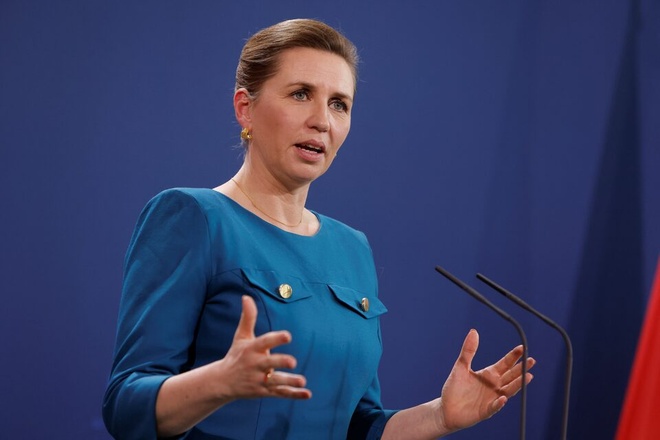
“Canada is no longer content to be the junior partner in someone else’s Arctic strategy,” said Prof. Michelle Hanley, a foreign policy analyst at the University of Toronto. “This pact with Denmark is Canada asserting itself — not against the United States, but apart from it.”
The timing is also significant. The pact was finalized just weeks before a scheduled NATO summit where Arctic security was expected to be a dominant theme. By locking in their position early, Canada and Denmark have effectively set the terms of the debate before the United States could frame it.
Danish officials have been characteristically diplomatic in public, describing the pact as “a natural deepening of existing cooperation.” But privately, European sources acknowledge the message is aimed squarely at Washington: Greenland is not for sale, not for trade, and not for negotiation.
“The era when the United States could dictate Arctic security arrangements is over,” Lundgaard said. “The Nordic nations and Canada are building their own architecture. The United States is welcome to participate — but on terms set by Arctic nations, not by Washington.”
The reaction from the Trump campaign has been muted but pointed. In a brief statement, a spokesperson said the former president “has always prioritized American security interests in the Arctic” and would “review all options” if returned to office. No specifics were offered.
What stands out in the Canada-Denmark pact is not the statement itself — which is carefully worded and diplomatically conventional — but how advanced the realignment had already become before Washington noticed. For years, the assumption in U.S. policy circles was that Canada would ultimately follow American leadership on Arctic matters.
That assumption is now dead. And in its place is a new reality: a multipolar Arctic where the United States is no longer the automatic center of gravity, and where diplomatic solidarity among smaller powers can effectively limit American options.
As one Canadian official, speaking on background, put it: “The United States spent decades assuming it had cards it never actually held. We simply showed the rest of the table what the real hand looks like. Now everyone has to play accordingly.”
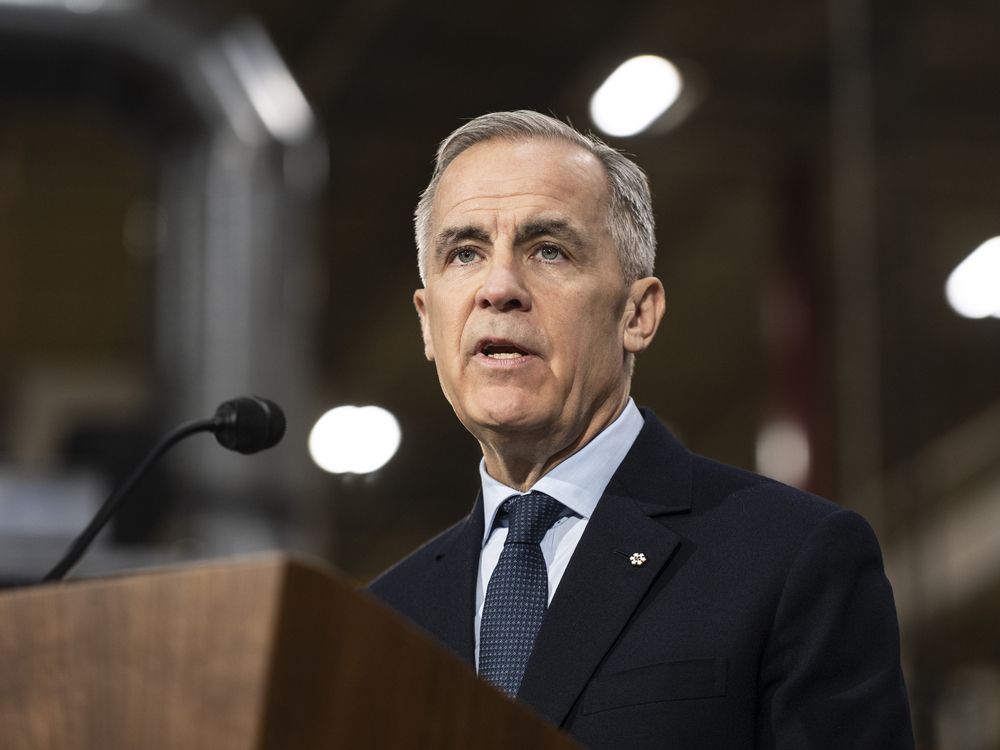
For Greenland itself, the pact offers a measure of protection. With both Canada and Denmark formally committed to defending the island’s existing sovereign arrangements, any future American pressure will face a coordinated diplomatic front — not a series of bilateral conversations that Washington could dominate.
Whether the Trump administration — or any future U.S. government — accepts this new reality remains to be seen. But for now, the Arctic map has been redrawn. And the United States is looking at it from the outside.






