Jimmy Kimmel Doesn’t Take Trump’s Bait — He Lets the Record Do the Talking
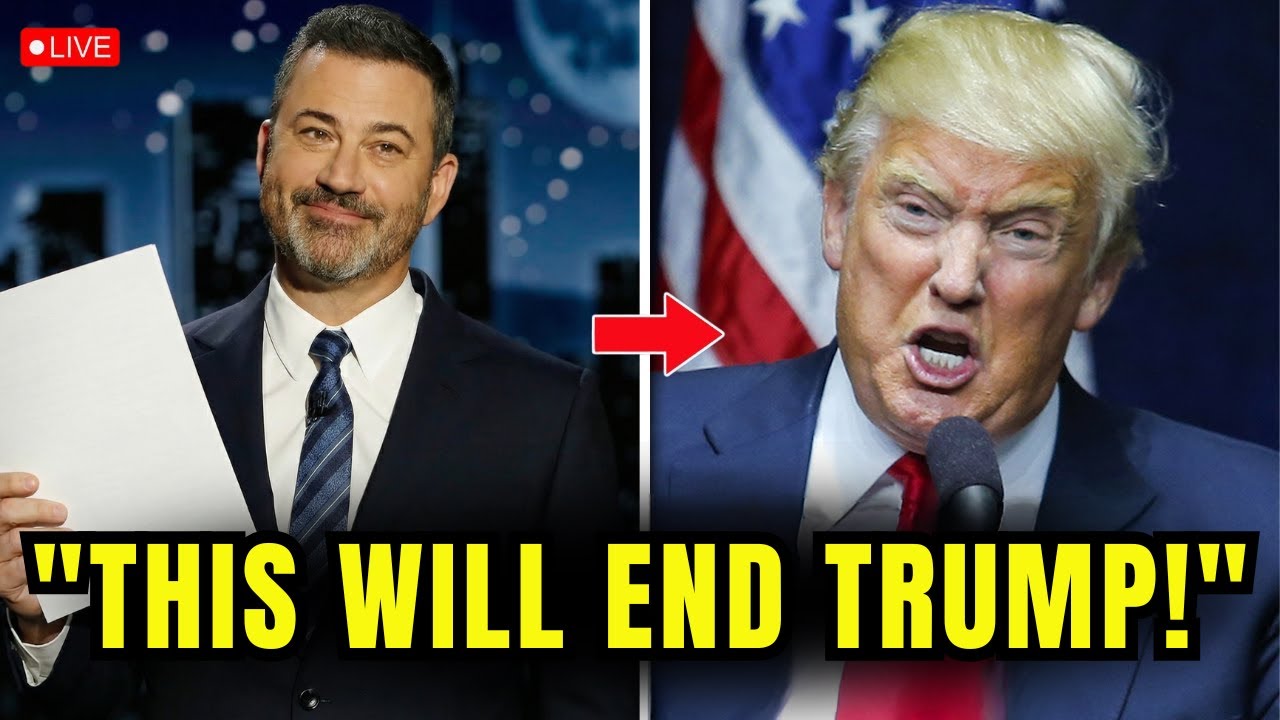
NEW YORK — Donald Trump’s latest jab at Jimmy Kimmel followed a familiar script. A nickname. A swipe at talent. A suggestion that if he could not outshine a late-night host, perhaps he should not be president at all. It was meant to be easy ammunition, the kind designed to dominate a news cycle with noise rather than substance.
What Trump appeared not to anticipate was how little effort Kimmel would expend responding — and how effective restraint would prove.
On his show, Kimmel did not open with mockery or outrage. He did not even say Trump’s name at first. Instead, he walked onstage, thanked the audience, smiled, and calmly held up a printed screenshot of Trump’s insult, as if presenting a classroom exhibit rather than a punchline.
“I saw this,” Kimmel said evenly, adding that he wanted to respond “in the most presidential way possible” by reading it slowly.
The audience laughed, then fell quiet. Kimmel read the words flatly, stripped of comedic inflection. The insult landed harder precisely because it was not dressed up. It was simply there, unadorned, waiting to be considered.

Then Kimmel pivoted. “Let’s assume you meant it,” he said, turning toward the camera. If a president is spending his evening attacking a late-night host online, Kimmel continued, that suggests one of two things: either he is not busy, or he is not okay.
The room erupted, but Kimmel did not ride the laugh. He waited. That patience became the throughline of the segment.
Rather than escalating, Kimmel reframed. He acknowledged Trump’s performative talents — singing, acting, dancing — in a deliberately exaggerated bit that let the audience release tension. But the jokes were not the point. They were a pause before the pivot.
Behind him, the screen changed to a simple timeline. No dramatic graphics, no ominous music. Just dates.
Kimmel walked the audience through a recurring contradiction. Trump claims he does not watch late-night television, yet posts about it repeatedly. He says comedians are irrelevant, yet responds to them at midnight. He insists he is focused on “real issues,” while spending hours publicly attacking a single host.
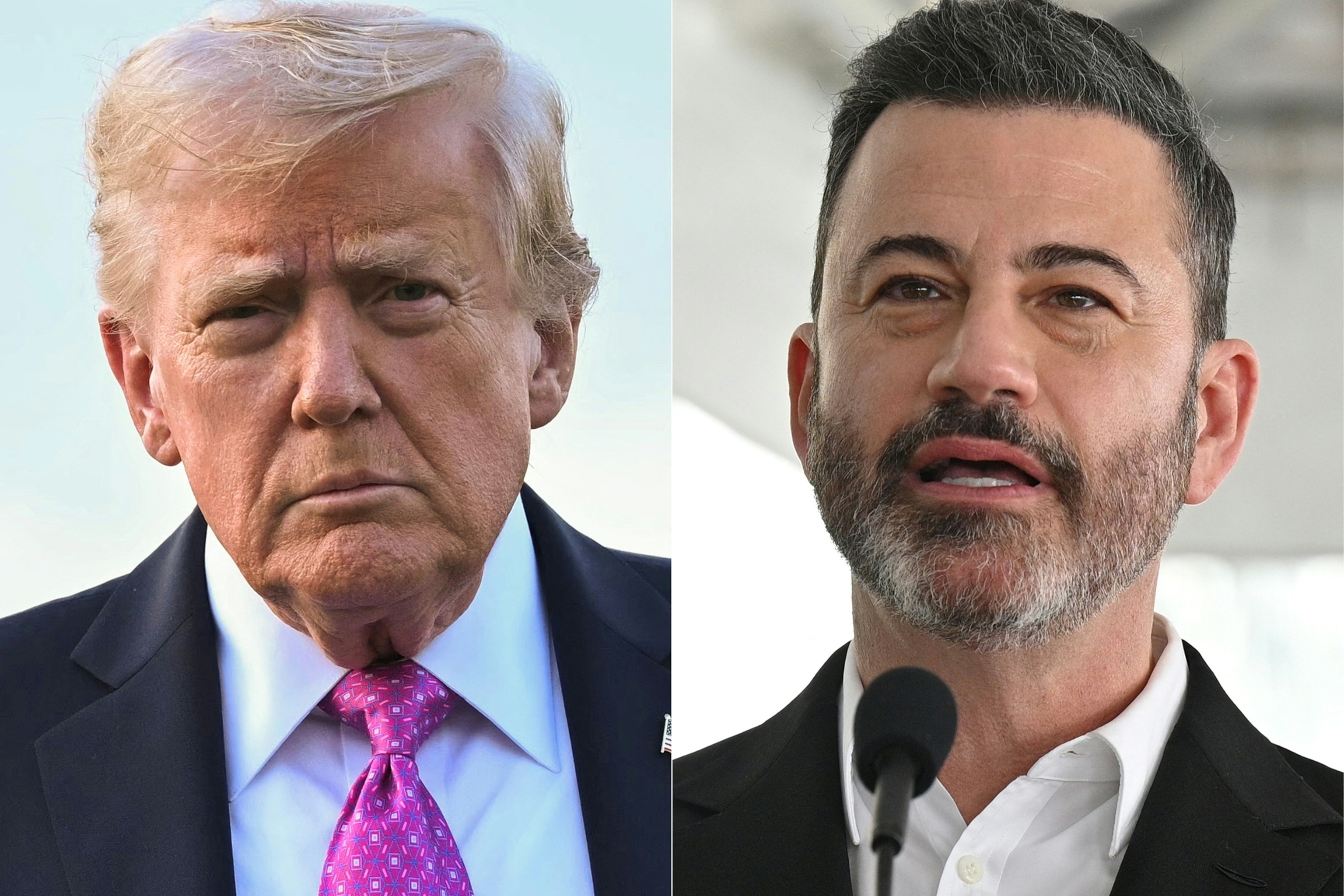
“I’m not saying he can’t multitask,” Kimmel said, shrugging lightly. “I’m saying the multitask looks suspiciously like obsession.”
It was not an accusation so much as an observation — a key distinction Kimmel emphasized throughout. When someone says you do not matter, he noted, they usually do not keep detailed receipts about you.
Then came the line that crystallized the exchange. Addressing Trump directly but politely, Kimmel said, “Thank you for the free marketing. I’m honored to live rent-free in your head in this economy.” The joke landed, but it also underscored the argument. Attention, once given, is evidence of relevance.
What made the segment resonate was not a single punchline, but the posture. Kimmel refused to match Trump’s volume or aggression. He treated the insult like data, placed it in context, and stepped back.
“I’m not being mean,” Kimmel added. “Mean is trying to humiliate people. This is just math.” He gestured again to the timestamps. Posting insults at 1 a.m., 2 a.m., and 3 a.m., he suggested, does not project dominance. It looks like someone who cannot sleep.
The most pointed moment came near the end, delivered without flourish. “If I’m so untalented,” Kimmel asked, “why do you keep watching?”
The audience paused for half a beat, then laughed louder than before. The question required no follow-up. It closed the loop.
By morning, Trump responded again — louder, more personal, and notably absent of any engagement with the timeline Kimmel had laid out. The response, rather than rebutting the argument, reinforced it. Kimmel had predicted the pattern, and the pattern obligingly repeated itself.
The clip spread quickly online, not because Kimmel shouted or “owned” anyone, but because he did not. In a media environment trained to reward escalation, the calm refusal to fight back felt novel, even bracing.
Viewers shared the segment not to provoke arguments, but to illustrate a method. You do not have to out-bully a bully. You do not have to trade insults. Sometimes, it is enough to present the record, ask one fair question, and stop talking.
That, more than any joke, is what lingered. Not a takedown, but a demonstration of control — and a reminder that clarity can be louder than noise when given space to breathe.






