The yield on the U.S. 10-Year Treasury climbed to 4.39 percent in mid-April 2026, marking the end of the longest yield curve inversion in modern American history. For 27 months, short-term rates exceeded long-term yields — a signal traditionally associated with looming recession. Yet the reversal has not arrived as a sign of recovery.
Instead, it has emerged through what market participants describe as a “bear steepener,” a far less comforting dynamic driven by a sharp rise in long-term borrowing costs rather than easing short-term pressure.
At the heart of the shift lies a growing unease about the structural foundations of U.S. debt markets. The International Monetary Fund warned this week that the expanding supply of Treasury securities is compressing the safety premium long associated with U.S. government debt. In practical terms, investors are no longer willing to accept lower returns in exchange for perceived stability. The world’s benchmark “risk-free” asset is being repriced.
This repricing is most evident in the return of the term premium — the additional compensation investors demand for holding long-term bonds. For much of the past decade, central bank interventions suppressed this premium, anchoring yields at historically low levels. Today, that suppression has reversed. Investors are demanding higher returns to offset inflation risk, fiscal uncertainty, and geopolitical instability.
The consequences are spreading beyond government debt. Yields on highly rated corporate bonds, once significantly above Treasuries, have narrowed to near parity. A recent €4 billion issuance by the European Investment Bank drew €33 billion in orders at just 0.04 percentage points above comparable U.S. Treasuries. Such pricing would have been unthinkable a decade ago. It suggests that global investors increasingly view supranational debt as interchangeable with U.S. obligations.
In housing markets, the effects are immediate and tangible. Mortgage rates have risen to 6.45 percent, freezing activity across large segments of the United States. Builders such as D.R. Horton have seen their shares retreat, reflecting concerns that entry-level buyers are being priced out. Meanwhile, Lennar Corporation reported shrinking margins as it subsidizes financing to sustain demand.
Faced with rising yields, the U.S. Treasury has taken the unusual step of conducting a $15 billion debt buyback — the largest in its history. Under the direction of Treasury Secretary Scott Bessent, the operation aims to reduce supply and stabilize prices. While officials frame the move as routine liquidity management, it underscores the sensitivity of markets to sustained increases in borrowing costs.
Nowhere are the global implications more visible than in Japan, the largest foreign holder of U.S. assets. With approximately $2.2 trillion invested abroad, including $1.2 trillion in Treasuries, Japan has long depended on low domestic interest rates and a stable yen to justify overseas investment. That equilibrium is now under strain.
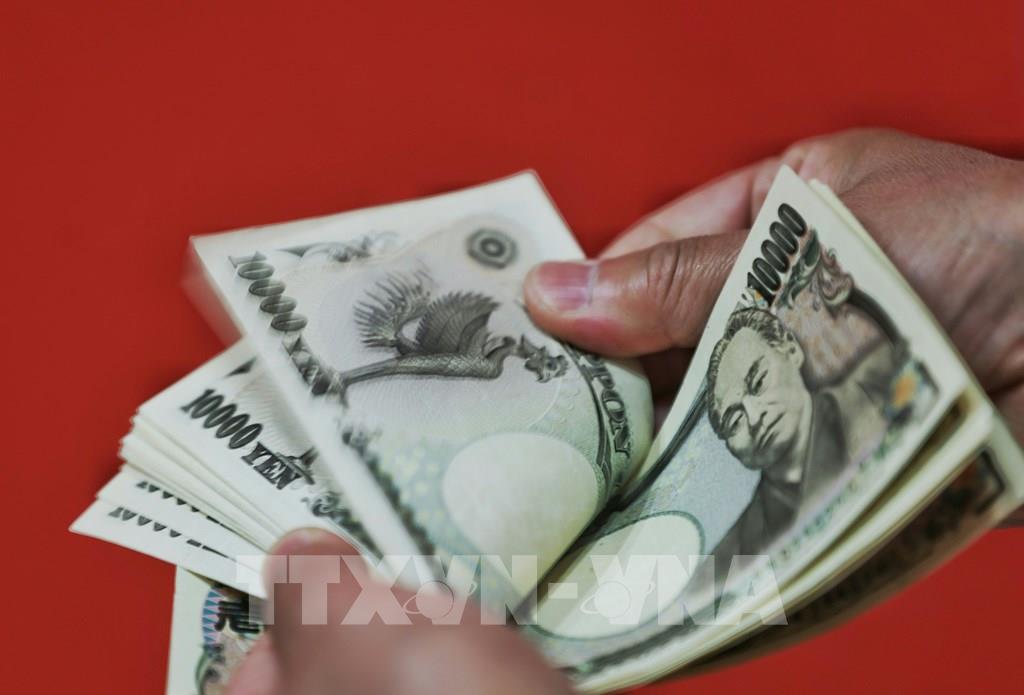
The Japanese currency has weakened sharply, falling more than 10 percent against the dollar. At the same time, rising energy prices — exacerbated by disruptions linked to the Iran conflict — have driven import costs higher. For an economy that imports the vast majority of its energy, the impact is acute. Oil priced above $130 per barrel in physical markets translates into even higher costs in yen terms, intensifying inflationary pressure.
This dynamic has placed policymakers in Tokyo in a precarious position. Raising interest rates could stabilize the currency but would increase debt servicing costs for a government whose liabilities exceed 230 percent of GDP. Maintaining low rates, by contrast, risks further currency depreciation and imported inflation. Either path carries significant risks.
The stakes extend well beyond Japan. Should Japanese institutions begin repatriating capital, even gradually, the effects could reverberate across global markets. Increased selling of U.S. Treasuries would place upward pressure on yields at a time when Washington is already financing large deficits. Other countries, facing similar pressures, could follow suit, amplifying volatility.
Foreign holdings of U.S. debt reached a record $9.49 trillion earlier this year, but the headline figure obscures underlying shifts. China’s position has declined to its lowest level since 2008, while other investors have adjusted portfolios in response to currency and interest rate dynamics. The aggregate demand remains strong — for now — but it is increasingly fragmented.
For decades, U.S. Treasuries benefited from what economists call a “convenience yield” — a premium reflecting their unmatched liquidity and safety. Recent data suggest that this premium has turned negative. Investors are no longer paying for the privilege of holding Treasuries; they are demanding compensation.
The implications are far-reaching. Higher Treasury yields translate into increased borrowing costs across the economy, from corporate financing to household mortgages. They strengthen the dollar, placing additional strain on emerging markets with dollar-denominated debt.
And they challenge the central assumption that underpins the global financial system: that U.S. government debt serves as its ultimate anchor.
In this context, the end of the yield curve inversion does not signal resolution. It marks a transition into a more uncertain phase, one defined by structural pressures rather than cyclical adjustment. The question is no longer whether the system will adapt, but how — and at what cost.






