Canada’s decision to delay key military procurement programs has sparked widespread attention, raising questions about timing, priorities, and strategy. At the center of the discussion are two of the largest defense purchases in the country’s history: a new fleet of submarines and the acquisition of advanced fighter jets.
At first glance, the delays may appear to signal hesitation or bureaucratic slowdown. However, emerging details suggest a more deliberate and calculated approach by the Canadian government—one focused not just on purchasing equipment, but on maximizing long-term national benefit.
According to reporting referenced in the discussion, the submarine procurement process has been extended slightly, allowing additional time for final bids. The two primary contenders remain a South Korean firm, Hanwha Ocean, and a German company, Thyssenkrupp Marine Systems (TKMS).
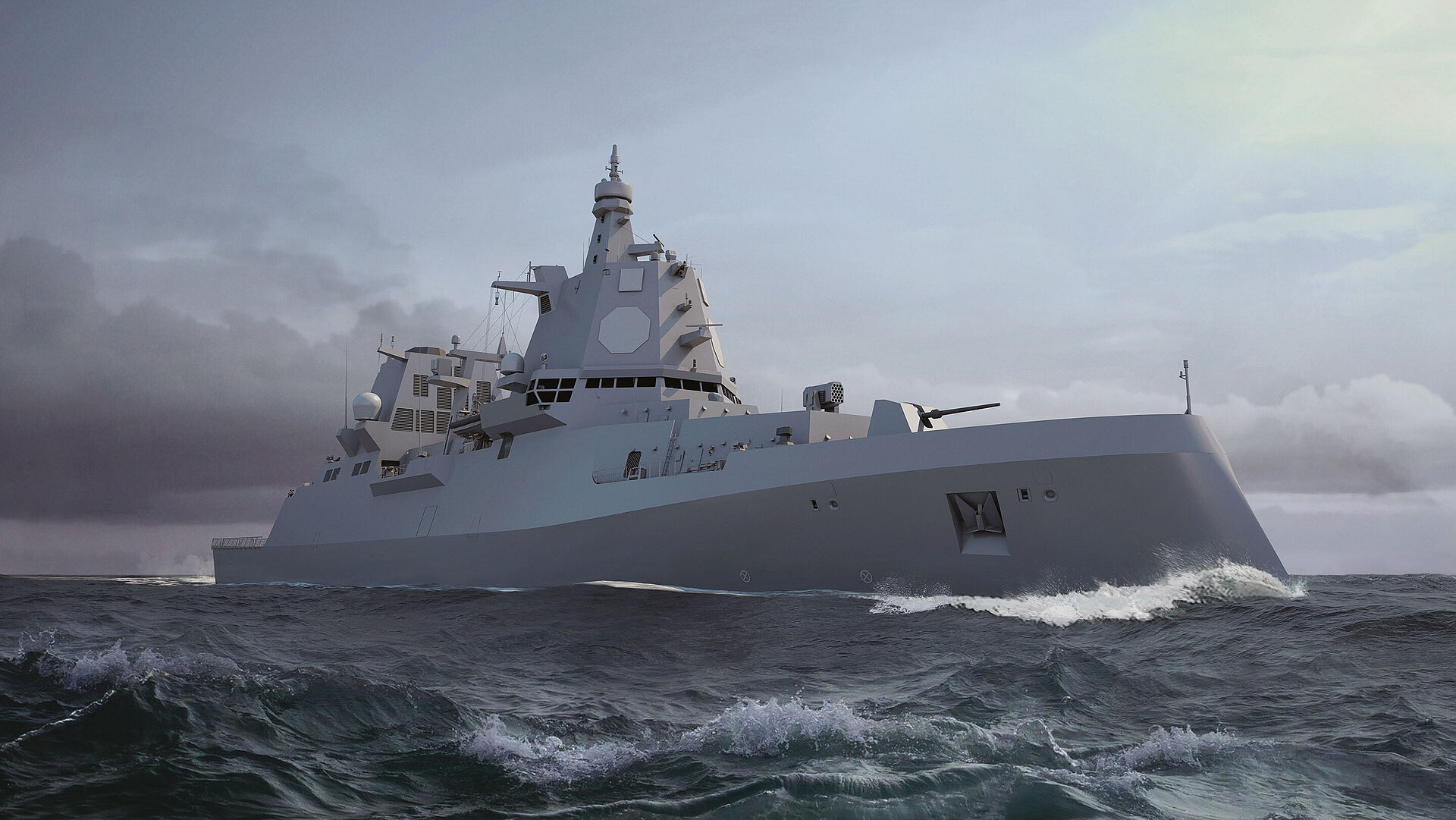
Rather than reopening the competition, officials have emphasized that the extension is intended to refine existing proposals. The goal is to extract greater “value-added” elements from bidders, including economic benefits, job creation, and industrial investment within Canada.
This marks a notable shift from traditional procurement practices. Historically, government purchases followed a more rigid evaluation process: bids were submitted, assessed, and a winner selected based largely on technical and financial criteria.
In contrast, the current approach introduces a more dynamic negotiation phase. Bidders are being asked what additional contributions they can offer beyond the core product—an approach more commonly associated with private-sector dealmaking than public-sector procurement.
The Canadian government has also created a new body, the Defense Investment Agency, to oversee such large-scale acquisitions. This agency includes individuals with private-sector experience, reflecting an effort to bring a more commercially strategic mindset into public spending decisions.

The scale of the submarine program underscores the importance of getting the decision right. These vessels are expected to play a critical role in Canada’s future defense posture, particularly in relation to Arctic sovereignty and commitments to international alliances such as NATO.
At the same time, a parallel debate is unfolding over Canada’s fighter jet procurement. While the United States’ F-35 program has long been a leading option, alternative proposals have emerged—most notably from Sweden’s Saab, which has offered to build aircraft domestically and generate additional economic activity.
This has led Canadian officials to reassess not just the capabilities of the aircraft, but the broader economic implications of each option. Concerns have been raised about whether existing arrangements with U.S. suppliers provide sufficient industrial and employment benefits for Canada.
The evolving strategy reflects a broader shift in how Canada approaches major defense spending. Rather than focusing solely on military capability, policymakers are increasingly emphasizing economic returns, technological development, and domestic industry participation.
These considerations are particularly relevant given Canada’s current geopolitical environment. With growing attention to Arctic security, shifting dynamics within NATO, and uncertainty surrounding the level of U.S. engagement in future defense cooperation, Canada faces pressure to strengthen its own capabilities.
At the same time, the financial scale of these projects demands careful scrutiny. As taxpayer-funded initiatives, they carry significant long-term implications for public finances, making the pursuit of maximum value a central concern.
The decision to delay final selections—potentially into the summer or even later—has therefore been framed not as a setback, but as a necessary step to ensure the best possible outcome.
While some observers may question the extended timeline, others argue that taking additional time to negotiate stronger terms could ultimately benefit Canada both economically and strategically.
In this context, what appears to be a delay may in fact represent a broader transformation in government procurement philosophy—one that prioritizes leverage, competition, and long-term national interest over speed.
As the process continues, the outcome will likely shape not only Canada’s defense capabilities, but also its approach to major international partnerships in the years ahead.






