The United States is entering an unprecedented constitutional crisis. What began as a closed-door House Republican strategy retreat has rapidly devolved into a political firestorm threatening the very foundations of the nation’s democracy. In a series of shocking statements in early January 2026, Donald Trump directly challenged the limits of power defined in the U.S. Constitution, prompting Democrats to immediately introduce a new articles of impeachment: House Resolution 939.

Exactly five years after the Capitol riot, Donald Trump sat down with House Republicans at a private retreat. There, he made a statement that reportedly had constitutional lawyers “throwing their coffee mugs at the wall”: the possibility of canceling the upcoming 2026 midterm elections.
Trump did not speak of postponing or rescheduling; he mused about “canceling” them entirely. Furthermore, he hinted at a “constitutional movement” so he could run for a third term—an act that would directly violate the 22nd Amendment, which strictly limits a president to two terms in office.
Just a week later, on January 13, 2026, Trump doubled down on his assault on the American judicial system. He claimed that his authority as President is not limited by the Constitution or the Courts.
When asked what does limit him, Trump’s answer was chilling: his own “very high grade of morality”. This concept is entirely foreign to American political tradition, which is built on the principle that “no one is above the law.” Analysts argue that a President asserting that a personal moral compass is more important than the national legal framework is using the rhetoric of 18th-century monarchs or autocrats.
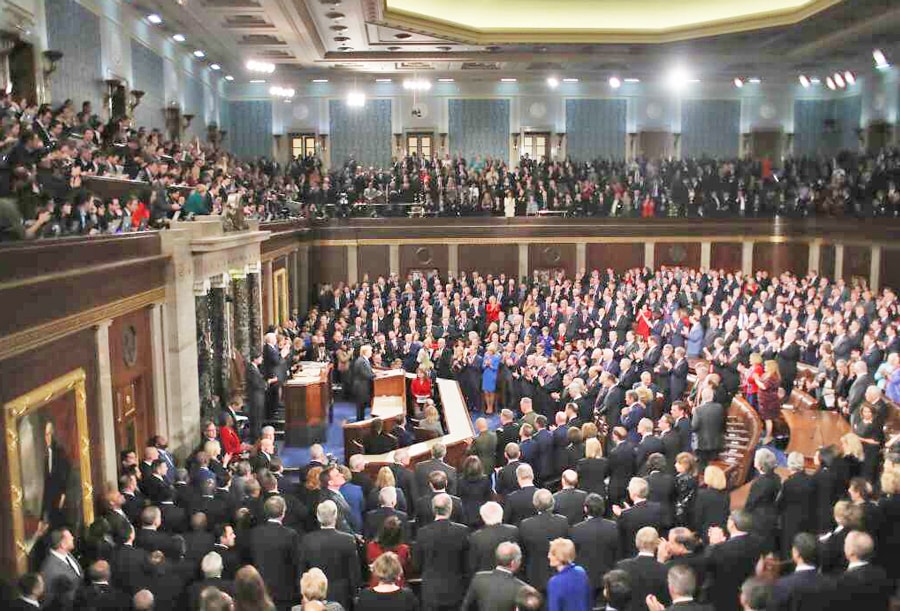
In response to these perceived threats to the constitutional order, Democratic lawmakers moved swiftly. H.Res. 939 was filed in Congress, charging Trump with “high crimes and misdemeanors”.
The resolution focuses on two primary pillars:
Abuse of Power: Specifically cited are his threats to cancel elections and his attempts to bypass term limits.Constitutional Violations: Directly challenging the 22nd Amendment and the judiciary’s role as a check on the executive branch.
While Republicans currently control the House, making the resolution’s passage unlikely, its true purpose is to force GOP members to make a public choice: Defend the Constitution or defend Donald Trump?.
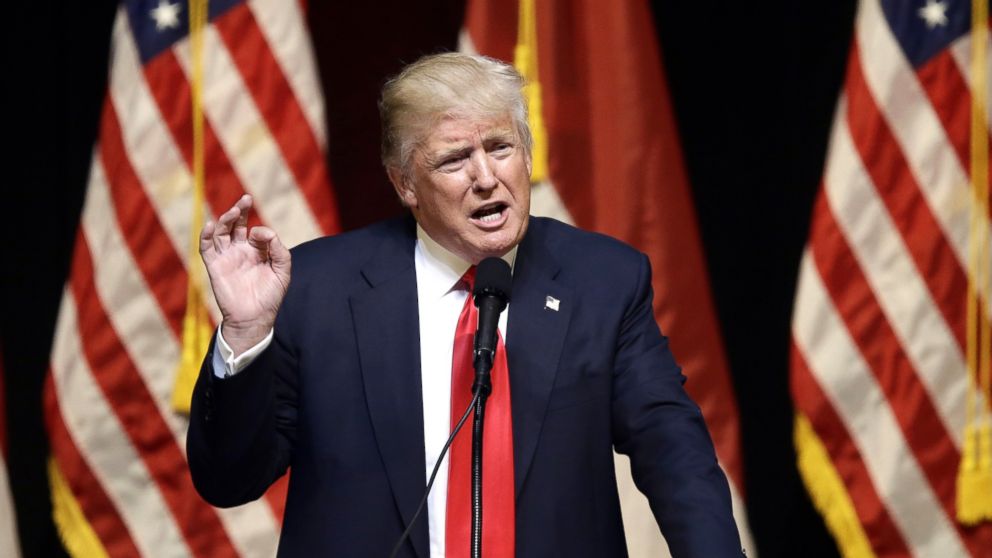
The most concerning aspect of this saga is not just Trump’s rhetoric, but the reaction from his own party. Reports indicate that when Trump floated the idea of canceling elections during the January 6 retreat, many Republicans simply “laughed nervously and nodded along”.
Most GOP members are choosing to avoid the issue or dismiss Trump’s comments as “trolling,” “jokes,” or “political theater”. However, this silence is creating space for the gradual erosion of democratic norms. Trump is testing the waters: How far can he go before his allies say “no”? So far, no such limit has been reached.

These developments are directly shaping the landscape of the 2026 midterms. Trump is acutely aware that if Democrats win a majority, he will face aggressive investigations and potentially successful impeachment trials.
The question for the American electorate is now existential:
Will voters accept a President who openly jokes about being a “dictator”?Are they comfortable with an individual placing themselves above the Constitution?
The results of the upcoming election will serve as the ultimate verdict on whether the American democratic system still possesses the resilience to resist the pull toward absolute power.

Whether Trump is serious or merely creating a “smoke screen,” the damage to democracy is already visible. When a sitting President suggests that elections are optional and the Constitution is merely a suggestion, he paves a path for successors to go even further. Democracies do not always collapse in a single coup; they often fail piece by piece through the breaking of norms—and we are watching that process unfold in real time.






