Trump LOSES It After Jimmy Kimmel Exposed Kash Patel on Live TV — One Brutal Joke Sparks a Free-Speech Firestorm
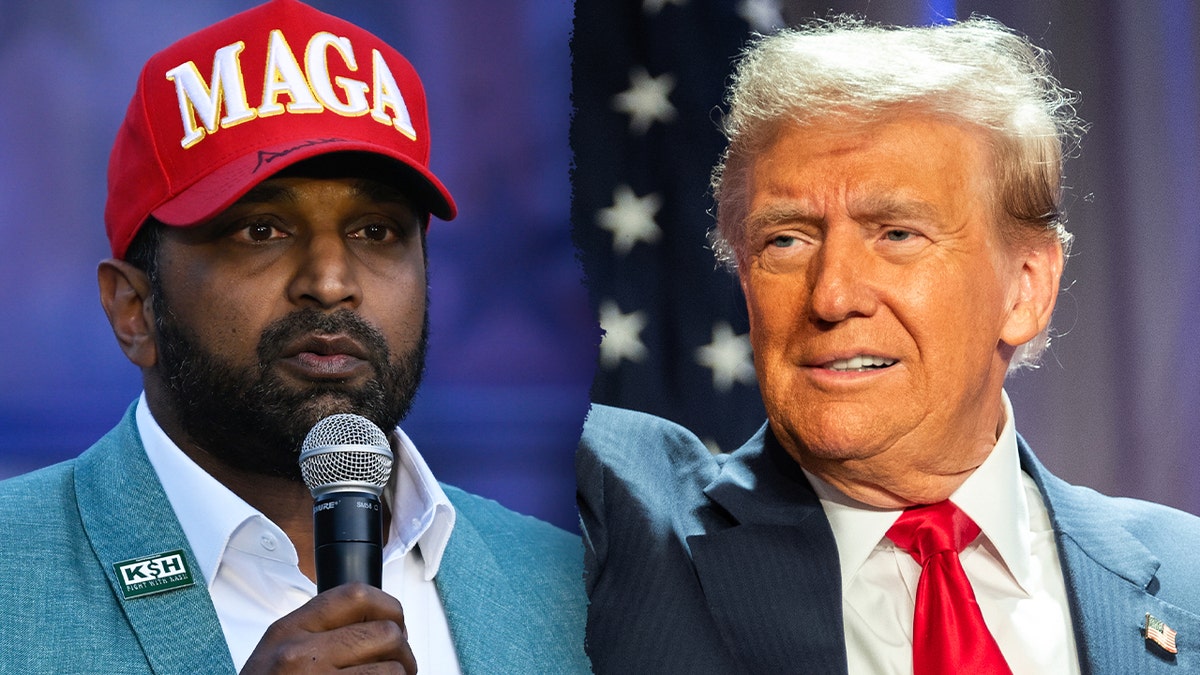
Donald Trump erupted in fury after Jimmy Kimmel used a single, sharply worded joke to expose what critics call the dysfunction at the heart of Trump’s inner circle. During a September 2025 episode of Jimmy Kimmel Live, the late-night host described FBI Director Kash Patel’s handling of a high-profile political assassination as “like a kid who didn’t read the book, bsing his way through an oral report.” The line lasted seconds. The fallout shook American media, politics, and the First Amendment.
Kimmel’s comment landed at a volatile moment. The country was still reeling from the assassination of conservative activist Charlie Kirk, a tragedy that demanded calm, clarity, and professionalism from federal law enforcement. Instead, Patel’s public statements were riddled with contradictions, political signaling, and evasive answers, even under questioning from fellow Republicans. For critics, Kimmel’s metaphor captured what congressional hearings had already revealed: confusion masquerading as authority.
Trump did not brush it off. He spiraled. Within hours, allies moved to reframe the joke as an attack on decency rather than a critique of competence. Trump loyalists accused Kimmel of exploiting violence for laughs, despite the fact that the joke targeted Patel’s performance, not the victim. The former president himself launched fresh attacks on the media, portraying the moment as proof that comedians were now enemies of the state.

The reaction quickly escalated beyond rhetoric. FCC Chairman Brendan Carr, a Trump ally tied to Project 2025, publicly condemned Kimmel’s remarks as “sick” and hinted at regulatory consequences for broadcasters that allowed such criticism. The message was unmistakable: mocking or challenging Trump’s handpicked FBI director would come at a cost. Media watchdogs immediately warned that the line between government oversight and intimidation was being crossed.
Within days, major broadcast groups began pulling Jimmy Kimmel Live from their affiliate schedules. First Nexstar, then Sinclair, citing the same justification: Kimmel’s comments about Patel were “offensive” and “inappropriate.” Notably, they did not object to jokes about Trump himself, but to criticism of the FBI director. On September 17, 2025, ABC suspended the show indefinitely, ending a run that had lasted more than two decades.
The irony was impossible to ignore. Kash Patel, summoned before Congress, repeatedly refused to give clear yes-or-no answers about alleged political retaliation within the FBI. Senators pressed him on whether agents had been fired for investigating Trump or January 6. Patel dodged, deflected, and accused lawmakers of traps and bad faith. The very behavior Kimmel mocked played out live under oath.

Trump’s meltdown intensified as lawsuits followed. He announced a massive defamation suit against The New York Times, denouncing it as “degenerate” and “fake,” while simultaneously cheering efforts to silence Kimmel. To critics, the pattern was familiar: Trump rarely disproved allegations with facts. Instead, he attacked institutions, threatened punishment, and demanded loyalty, reinforcing fears of an administration intolerant of dissent.
What began as a late-night joke became a defining moment. Kimmel didn’t expose corruption with leaked documents or secret tapes. He did it with a metaphor that millions instantly understood. The response — coordinated pressure, regulatory threats, and broadcast suspensions — told a far bigger story than the joke itself. It revealed how fragile power becomes when it can’t tolerate being laughed at, and why Trump’s reaction, not Kimmel’s words, became the real scandal.






