Trump’s Greenland Pressure Campaign Alarms Europe, Testing NATO Unity and Trade Peace
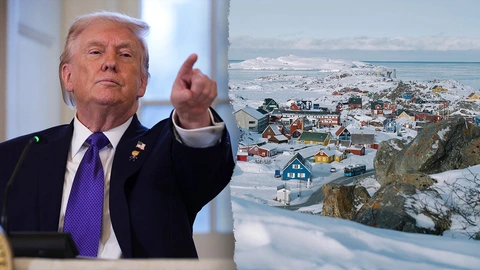
President Trump’s renewed push to bring Greenland under American control has triggered a wave of diplomatic outrage across Europe, threatening to unravel transatlantic trade arrangements and placing unprecedented strain on the NATO alliance, according to European officials, U.S. lawmakers and national security experts.
The latest escalation came after European leaders convened emergency meetings this week to discuss how to respond to President Trump’s threat to impose new tariffs on European countries opposing his Greenland initiative. Compounding the backlash was the disclosure of a letter the president sent to Norway’s prime minister, in which he appeared to link his aggressive posture toward Europe to his failure to receive the Nobel Peace Prize.
“Considering your country decided not to give me the Nobel Peace Prize for having stopped eight wars plus,” Mr. Trump wrote, according to a diplomat familiar with the correspondence, “I no longer feel an obligation to think purely of peace.”
The Norwegian prime minister’s office later confirmed the authenticity of the message, noting that the Nobel Peace Prize is awarded by an independent committee and not by the Norwegian government. Still, European officials said the letter’s tone underscored what they described as a deeply personal and destabilizing approach to diplomacy.
Tariffs as Leverage
At the center of the dispute is President Trump’s threat to impose a 10 percent tariff on eight European countries that have publicly rejected the idea of transferring Greenland — an autonomous territory of Denmark — to the United States. European Union officials say the move directly undermines a fragile trade agreement negotiated last summer to avert a broader trade war.
Under that agreement, U.S. tariffs on European goods were capped at 15 percent, and the European Union agreed to suspend retaliatory levies. But European lawmakers now say the deal is unlikely to be ratified in light of the new threats.
If the agreement collapses, roughly €93 billion in retaliatory European tariffs could take effect as early as February, according to officials familiar with the contingency plans. European Commission representatives said the bloc is preparing those measures even as it publicly calls for de-escalation.
Behind the scenes, European officials are also discussing whether to invoke the E.U.’s so-called “anti-coercion instrument,” informally dubbed the “bazooka,” which would impose sweeping restrictions on American companies’ access to European markets.
“This is not how allies behave,” Denmark’s prime minister said this week. “Europe will not be blackmailed.”
Legal and Constitutional Questions
In Washington, the tariff threats have raised urgent legal questions. Administration officials say the president is acting under the International Emergency Economic Powers Act, a 1977 law that allows presidents to impose economic measures during national emergencies.
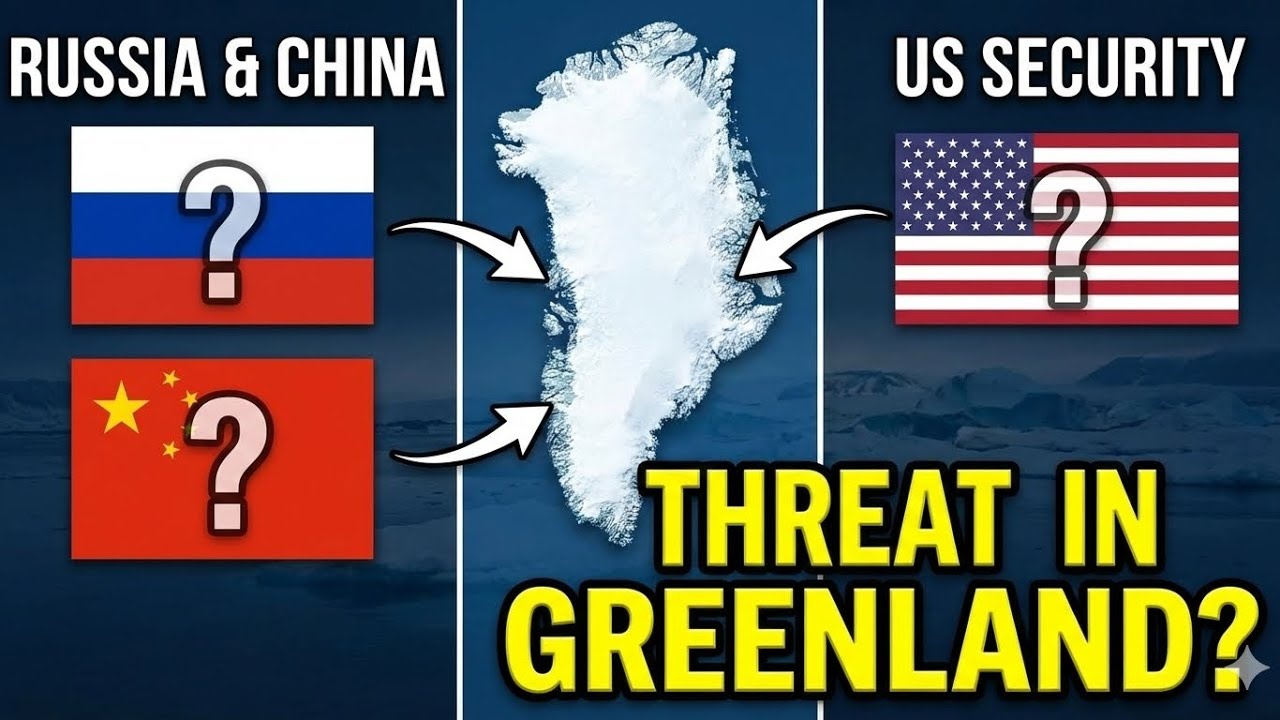
But legal scholars and lawmakers from both parties question whether the situation meets the law’s requirements. Intelligence officials have said there is no imminent military threat to Greenland from Russia or China, both of which the administration has cited as strategic concerns.
“There is no emergency here,” said a senior congressional aide briefed on intelligence assessments. “This is not about national security. It’s about leverage.”
The Supreme Court is currently reviewing challenges to the administration’s broad use of emergency powers to impose tariffs, adding further uncertainty to the president’s strategy.
NATO Under Strain
The diplomatic fallout has rippled through NATO, where Greenland — though not an independent member — is covered under Denmark’s alliance commitments. Any attempt to seize the island by force would obligate NATO members to respond, an outcome many officials say would be unthinkable.
NATO’s secretary general confirmed that he had discussed Greenland directly with President Trump and said he would continue those conversations at upcoming meetings in Europe. He has also held consultations with Danish and Greenlandic officials.
Former U.S. and European diplomats warn that the episode is eroding trust within the alliance at a time of heightened global instability.
“This is a gift to Vladimir Putin,” said Joel Rubin, a former deputy assistant secretary of state. “Nothing weakens NATO faster than internal threats from its largest member.”
Several European officials privately expressed concern that the president’s actions risk normalizing the use of economic coercion among allies, a tactic more commonly associated with authoritarian states.
Domestic Pushback
The Greenland campaign has also drawn criticism at home. Polls show a large majority of Americans oppose the idea of taking control of Greenland, including significant numbers of Republican voters. Members of Congress from both parties have warned that any attempt to coerce Denmark could prompt legislative action to curb presidential authority.
In recent weeks, bipartisan delegations of U.S. senators have traveled to Greenland and Denmark to signal support for their governments and to distance Congress from the White House’s approach.
“Greenland’s future should be decided by Greenlanders,” one Republican senator said during the visit. “Not through threats.”
A Personal Dimension
The revelation of the Nobel-related letter has intensified scrutiny of the president’s motivations. Critics say it reinforces concerns that personal grievances are shaping American foreign policy.
National security analysts note that President Trump has long expressed interest in Greenland’s strategic location and mineral resources, dating back to his first term. But they say the recent rhetoric marks a sharp departure from traditional diplomatic norms.
“This has crossed from strategic debate into something else entirely,” said a retired U.S. general who has worked extensively with NATO partners. “When personal recognition becomes a justification for policy, allies lose confidence.”
The White House has defended the president’s actions as necessary to protect U.S. interests and prevent future conflicts. Officials argue that economic pressure is preferable to military confrontation and insist that Europe is overreacting.
Still, even some former administration officials have expressed concern privately that the approach is backfiring, strengthening European unity against Washington while weakening American influence.
An Uncertain Path Forward
As European leaders weigh retaliatory measures and U.S. courts consider the limits of presidential power, the Greenland dispute has become a defining test of the transatlantic relationship.
What began as a provocative idea has evolved into a high-stakes confrontation involving trade, law, and the future of NATO itself. Whether cooler heads prevail may depend less on formal negotiations than on whether the president recalibrates a strategy that many allies now see as both unpredictable and personal.
For now, European officials say they are preparing for the worst — even as they continue to call for dialogue.
“We want compromise,” a senior E.U. diplomat said. “But we are also ready to respond.”






