Recorded Statements Add New Weight to Donald Trump’s Legal Challenges
A series of audio recordings featuring former President Donald Trump have emerged as some of the most consequential pieces of evidence in the legal cases that have surrounded him since leaving office. According to reporting by CNN and CBS News, prosecutors have placed particular emphasis on recordings that capture Trump discussing sensitive matters in ways that appear to contradict his public defenses, complicating the legal strategies of his attorneys.
One recording, now part of the federal investigation into the handling of classified documents, dates to a 2021 meeting at Trump’s Bedminster golf club in New Jersey. On the tape, Trump is heard referring to a Pentagon document outlining a potential military plan involving Iran. He acknowledges that the document was “highly confidential” and, notably, remarks that while he could have declassified it while president, he no longer had that authority. Legal analysts say this statement directly undermines claims made publicly by Trump and his legal team that the materials he retained were automatically declassified.
Prosecutors view the recording as significant not only for what it reveals about the document’s status, but also for what it suggests about intent. In cases involving classified information, intent is often difficult to establish. Here, investigators argue, Trump’s own words demonstrate an awareness of the document’s sensitivity and of the limits of his authority after leaving office.
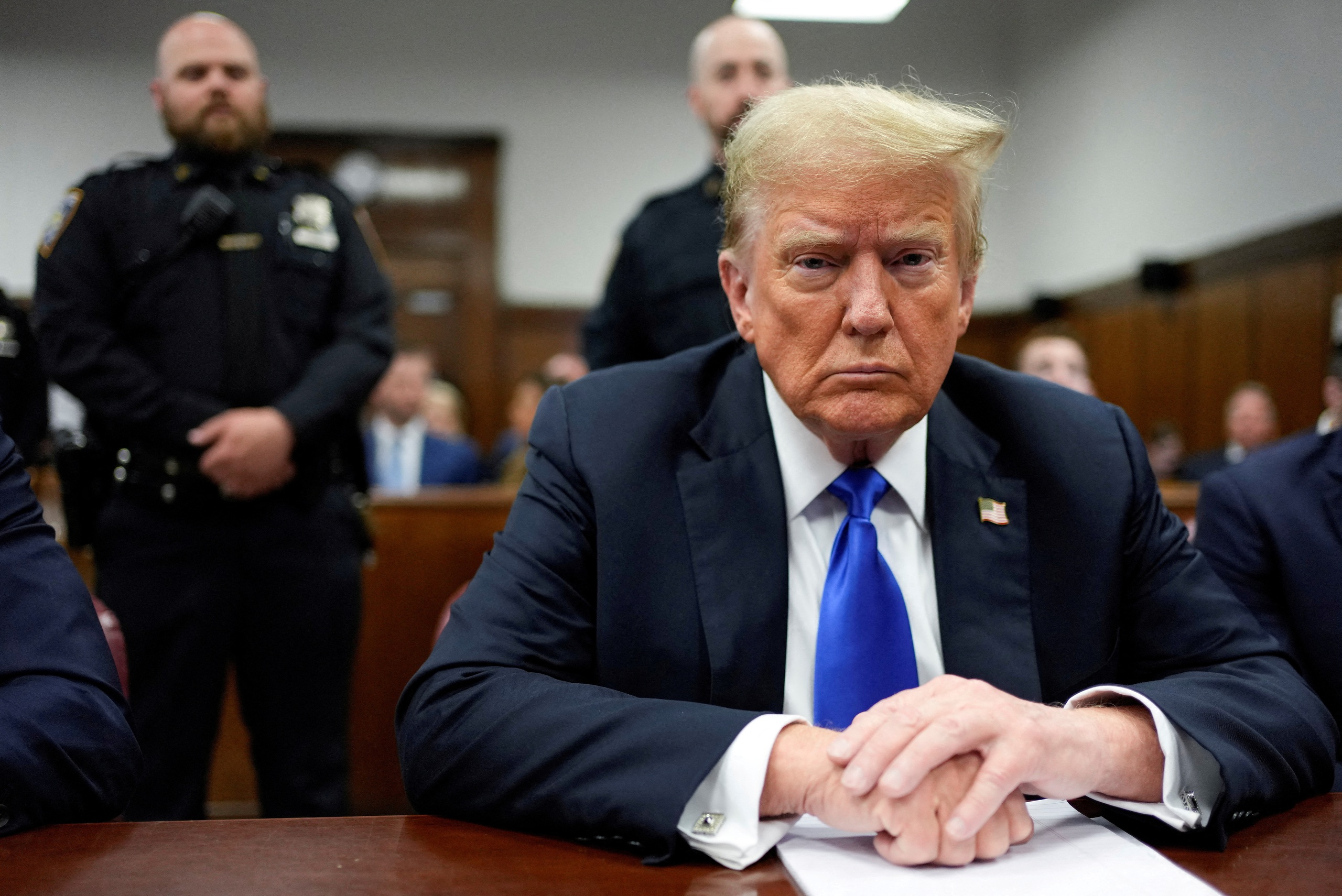
The classified documents case is not the only instance in which recordings have played a pivotal role. In the New York hush-money prosecution, which resulted in Trump’s conviction on 34 felony counts, jurors heard an audio recording made by Michael Cohen, Trump’s former lawyer. On that tape, recorded during the 2016 campaign, Trump discusses methods of paying to suppress a story about an alleged affair, including a suggestion that payment be made in cash. Prosecutors argued that the recording showed Trump’s direct involvement in a scheme to conceal campaign-related expenditures, contradicting his later claims that he was unaware of the details.
Taken together, the recordings present a recurring challenge for Trump’s defense teams. Unlike testimony from former aides or business records that can be disputed or reinterpreted, audio evidence captures Trump’s own words, limiting the room for alternative explanations. Legal experts note that such evidence often carries outsized influence with judges and juries, because it reduces reliance on inference.
Beyond their immediate legal impact, the recordings have broader implications for Trump’s credibility. Courts and jurors assessing his claims must weigh public denials against private statements that appear inconsistent. That gap, analysts say, can shape perceptions of truthfulness across multiple cases, even those where recordings are not central.
Trump’s supporters have largely dismissed the tapes as being taken out of context or as part of what they describe as politically motivated prosecutions. Critics, by contrast, see them as clear evidence that Trump privately acknowledged facts he denied publicly. The political divide over their significance remains sharp.
For now, the recordings stand as a detailed and permanent record, regardless of how future legal or political developments unfold. Whether they ultimately lead to further accountability remains uncertain. What is clear is that Trump’s own voice has become one of the most powerful elements in the legal scrutiny he continues to face—an unusual and consequential feature in the ongoing intersection of law, politics, and the presidency.