Renewed Impeachment Efforts Highlight Political and Legal Pressures on President Trump
WASHINGTON — A new wave of impeachment resolutions introduced by House Democrats has intensified the political and legal scrutiny facing President Donald Trump during his second term, reviving debates over executive power, accountability, and the long-term consequences of impeachment even after a president leaves office.
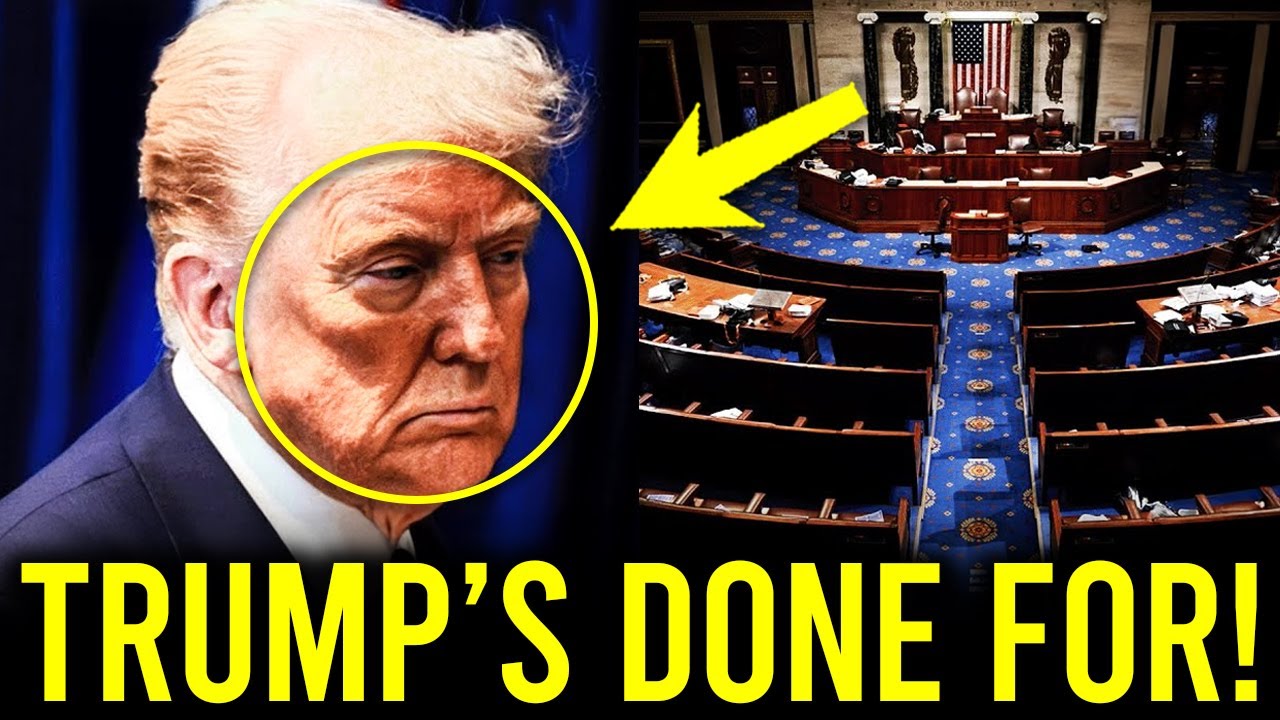
Since late April, Democratic lawmakers have filed multiple impeachment measures accusing Mr. Trump of a broad range of alleged misconduct, including obstruction of justice, abuse of power, violations of constitutional rights, and corruption. While such resolutions face long odds in a closely divided Congress, their introduction underscores persistent concerns among critics about the president’s conduct and rhetoric.
One of the most expansive efforts, House Resolution 353, was introduced on April 28, 2025. The measure outlines seven articles of impeachment, ranging from obstruction of justice to what the resolution characterizes as “tyranny.” Other allegations include misuse of congressional appropriations authority, abuse of trade powers, violations of First Amendment protections, and bribery or corruption. A subsequent resolution, introduced on May 14, adds further accusations of “high crimes and misdemeanors,” the constitutional standard for impeachment.
In late June, draft impeachment language circulated on Capitol Hill, drawing attention to specific actions and statements by the president. According to reports, the draft focuses on Mr. Trump’s public remarks suggesting jail time for political opponents, his alleged disregard for court orders, and claims that he has sought to use the Department of Justice against critics. Supporters of the resolutions argue that such actions, if substantiated, strike at the foundations of democratic governance and the rule of law.
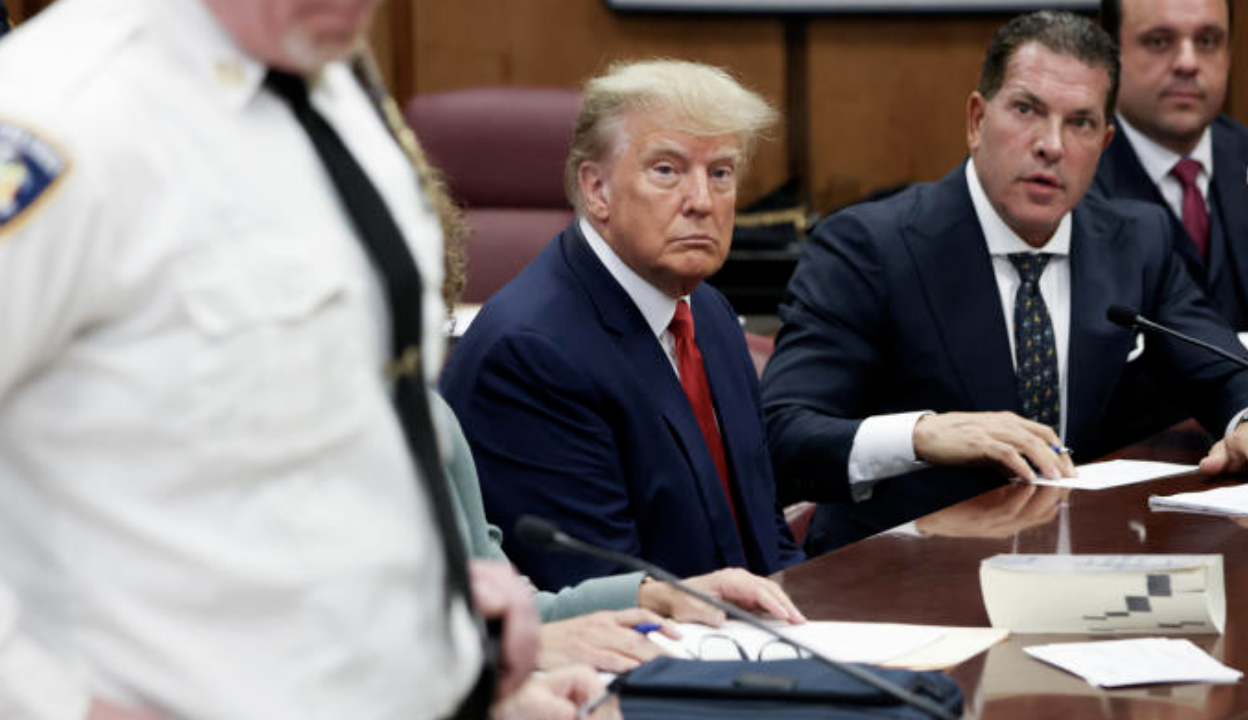
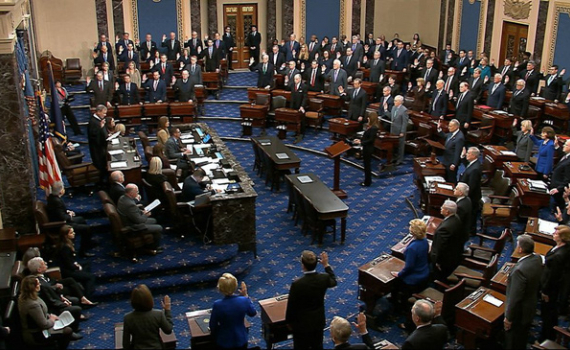
Legal scholars note that impeachment itself is a political process, not a criminal one. A successful impeachment in the House does not result in imprisonment, but rather triggers a trial in the Senate, which can lead to removal from office and possible disqualification from holding future federal office. However, constitutional experts have emphasized that impeachment can also create a detailed factual record that may be relevant to later criminal investigations once a president is no longer shielded by the protections of office.
Historically, the question of whether a Senate impeachment trial can proceed after a president leaves office has been debated but not definitively settled. Some scholars point to past precedents suggesting such trials are constitutionally permissible, while others argue the issue remains contested. Still, the possibility has added to the broader discussion about the long-term legal exposure presidents may face after leaving the White House.
The White House and Republican leaders have dismissed the new impeachment efforts as partisan attacks, arguing that they distract from legislative priorities and lack sufficient evidence. Allies of the president contend that his statements are being taken out of context and that policy disagreements are being reframed as impeachable offenses.
Yet the continued filing of impeachment resolutions reflects a broader unease among Democrats and some legal observers about norms, institutional limits, and presidential conduct. Even if the measures do not advance to a Senate trial, they contribute to an official congressional record that documents concerns about the administration.