Trump’s Foreign Policy Turn Raises Alarm as Putin Gains New Global Openings
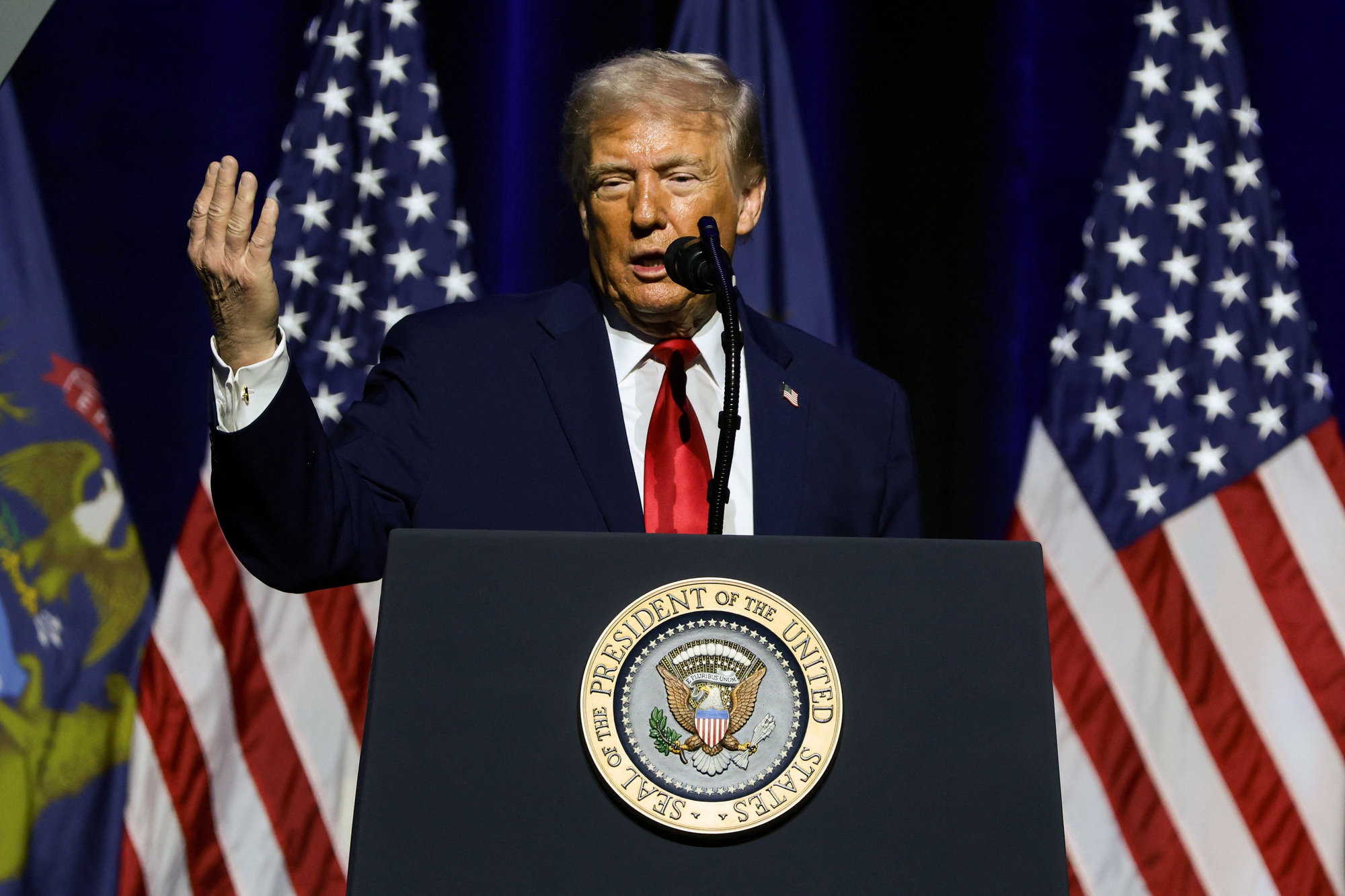
WASHINGTON — Former President Donald Trump’s latest comments and proposals on global affairs have reignited deep concerns among U.S. allies and national security experts, who warn that his rhetoric and actions are emboldening authoritarian leaders—particularly Russian President Vladimir Putin—at a moment of profound international instability.
In recent days, Trump has publicly repeated claims that appear to blame Ukraine for the war launched by Russia in 2022, while simultaneously criticizing NATO, questioning U.S. commitments to allies, and unveiling a controversial plan to create a new, pay-to-join international body to oversee post-war reconstruction in Gaza. The proposed entity, according to draft documents circulating among diplomats, would grant permanent seats to countries that contribute at least $1 billion—with Russia reportedly invited to participate.
Taken together, these moves have alarmed former senior officials from Trump’s own administration, allied governments in Europe, and foreign policy analysts across the political spectrum. Many describe the moment as a sharp break from decades of U.S. leadership rooted in multilateral institutions, collective security, and post-World War II norms.
A Longstanding Fascination With Putin
Several of Trump’s former advisers have publicly stated that, among the authoritarian leaders Trump has praised or courted—including North Korea’s Kim Jong Un and China’s Xi Jinping—Putin stands apart.
John Bolton, Trump’s former national security adviser, and John Kelly, his former White House chief of staff, have both suggested in interviews that Trump’s admiration for Putin was unusually persistent and difficult to explain. According to people familiar with internal discussions during Trump’s presidency, Putin was often described by Trump as “strong,” “smart,” or “savvy,” even as U.S. intelligence agencies consistently identified Russia as a primary adversary.
That affinity resurfaced this week when Trump criticized Ukraine for “starting” the war and claimed the conflict should have been “ended years ago” through a deal—language that mirrors Russian state media narratives and contradicts the consensus view of Western governments.
NATO Under Fire—Again
Trump has also returned to a familiar line of attack against NATO, asserting that the alliance exists largely because of U.S. funding and that European nations benefit disproportionately from American protection.
“If it’s not for the United States, NATO doesn’t even exist,” Trump said in remarks circulated widely online. He claimed the U.S. was paying “90 percent” or more of NATO’s costs, a figure repeatedly disputed by NATO officials and independent analysts.
While it is true that the United States remains NATO’s largest single contributor, member states have significantly increased defense spending since Russia’s invasion of Ukraine. Experts warn that Trump’s framing risks undermining deterrence by signaling wavering U.S. commitment—an outcome Moscow has long sought.
Trump has also argued that the Atlantic Ocean provides a natural buffer between the U.S. and global conflicts, a claim critics say ignores modern realities of cyberwarfare, long-range missiles, and nuclear weapons.
Sovereignty for Some, Not Others
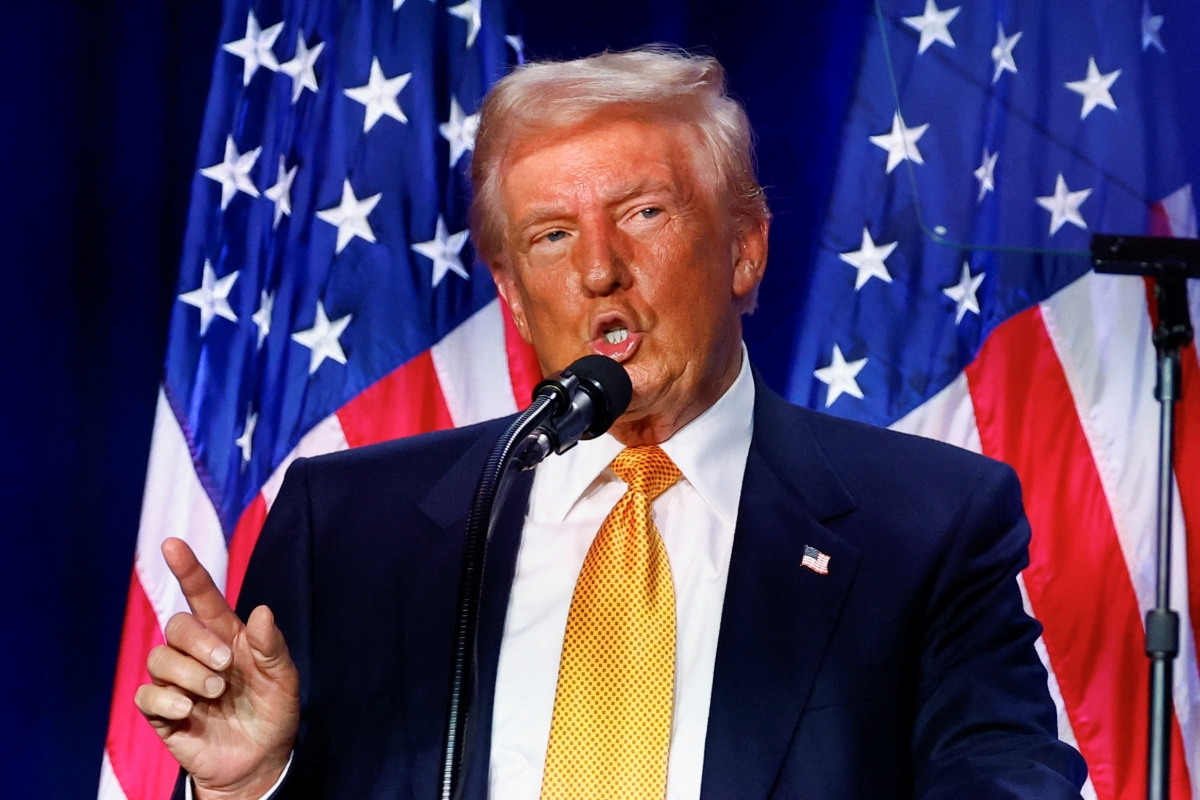
In a resurfaced speech to the United Nations, Trump declared that the United States would always choose “independence and cooperation over global governance,” pledging to respect the sovereignty of all nations.
Yet critics note a stark contrast between that rhetoric and Trump’s recent comments on Gaza, Greenland, and Venezuela. Trump has repeatedly suggested the U.S. could “take” Gaza following the war, dismissing the need for purchase or international consent, and has renewed threats and pressure campaigns against Greenland and Denmark.
Foreign policy scholars argue that such contradictions weaken U.S. credibility and blur the distinction between defending sovereignty and exercising power for transactional gain.
A Privatized Vision of Peace
The most controversial development, however, is Trump’s reported plan to establish a new international body—informally dubbed the “Board of Peace”—to oversee reconstruction in Gaza.
According to a draft charter reviewed by several outlets, permanent membership would be granted to countries willing to contribute $1 billion upfront, while other members would be limited to three-year terms. Hungary and Vietnam have reportedly accepted invitations, while the Kremlin has confirmed that Putin is “studying” the proposal.
Senior U.S. officials said to be involved include Secretary of State Marco Rubio, special envoy Steve Witkoff, and Trump’s son-in-law Jared Kushner, who previously played a central role in Trump-era Middle East diplomacy.
The proposal has drawn swift criticism. British Prime Minister Keir Starmer publicly declined to participate, refusing to pay the entry fee. Israeli Prime Minister Benjamin Netanyahu criticized the plan for being developed without Israel’s involvement and for contradicting Israeli policy. Notably, no representatives from Gaza have been named.
“This is Orwellian,” said one former U.S. diplomat in a televised interview. “The idea that Vladimir Putin—who is waging the most destructive war in Europe in decades—could sit on something called a ‘Board of Peace’ defies logic.”
Allies Drift, Adversaries Advance
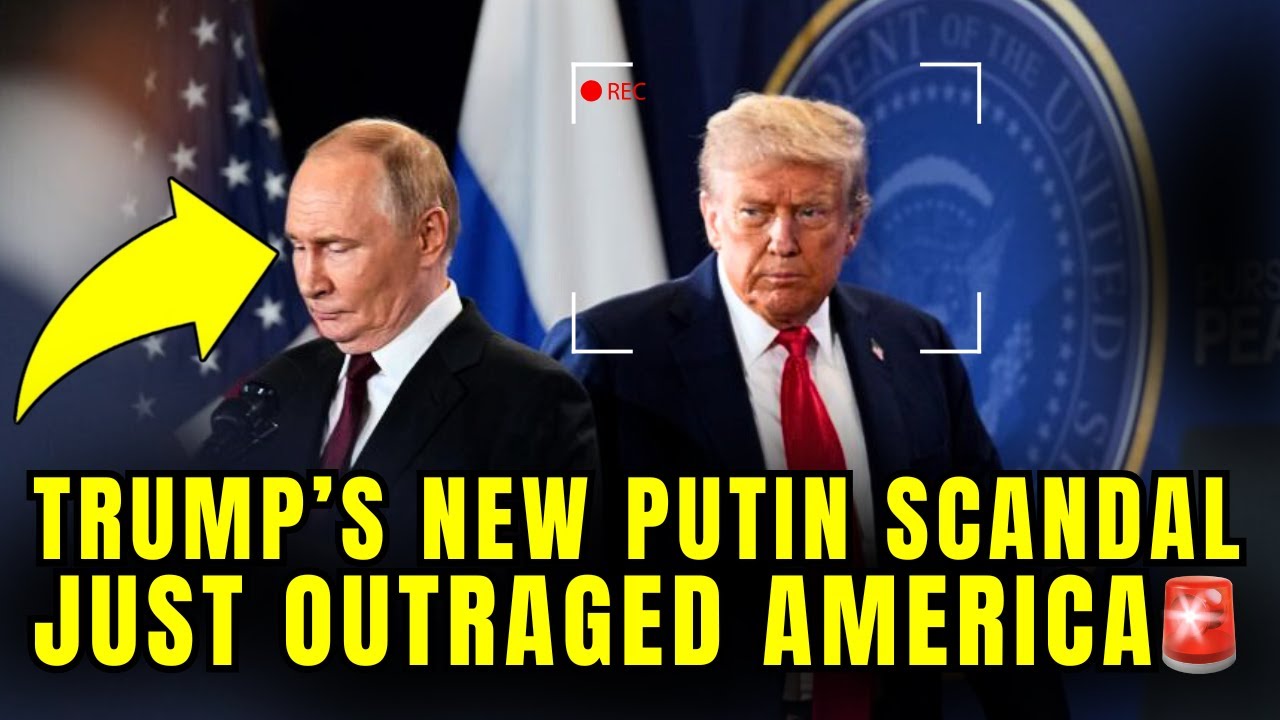
Analysts warn that Trump’s approach represents a broader shift toward what some describe as the privatization of U.S. foreign policy—where influence, access, and legitimacy are tied to financial contribution rather than shared values or international law.
Critics argue that such a model risks hollowing out institutions like the United Nations while empowering wealthy states and authoritarian regimes. Others fear it could accelerate the erosion of trust among traditional allies, many of whom are already reassessing their security relationships with Washington.
“The danger here isn’t just rhetorical,” said a former NATO official. “It’s structural. When allies begin to doubt U.S. reliability, they hedge. And when they hedge, adversaries like Russia gain space to maneuver.”
A Global Repercussion Moment
Trump’s supporters argue that his unorthodox methods force negotiations and challenge what they see as a stagnant global order. But even some Republicans privately acknowledge that his recent statements risk legitimizing authoritarian narratives and destabilizing fragile diplomatic balances.
As wars grind on in Ukraine and Gaza, and as alliances strain under the weight of economic and military pressure, the stakes of U.S. leadership remain high.
What worries many experts most is not any single proposal, but the cumulative effect: allies pulling away, institutions weakened, and adversaries emboldened.
In that sense, the concern voiced by former advisers, diplomats, and international leaders converges on a single point—America’s power has always rested not only on its strength, but on the trust of those who stand with it. And trust, once lost, is far harder to rebuild than any shattered city or war-torn region.






