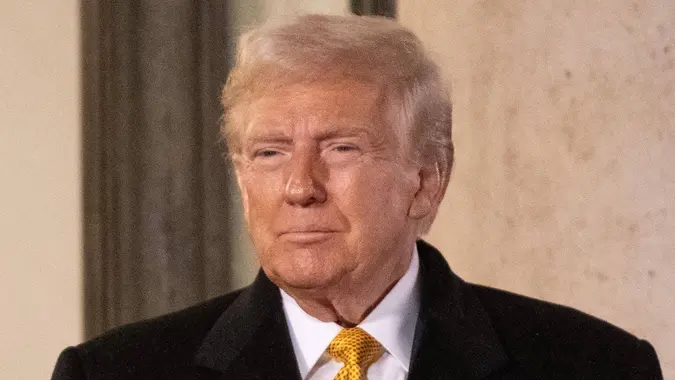
Trump Draws Jeers at a Major Sporting Event in Miami, Highlighting a Sharpening Political Divide
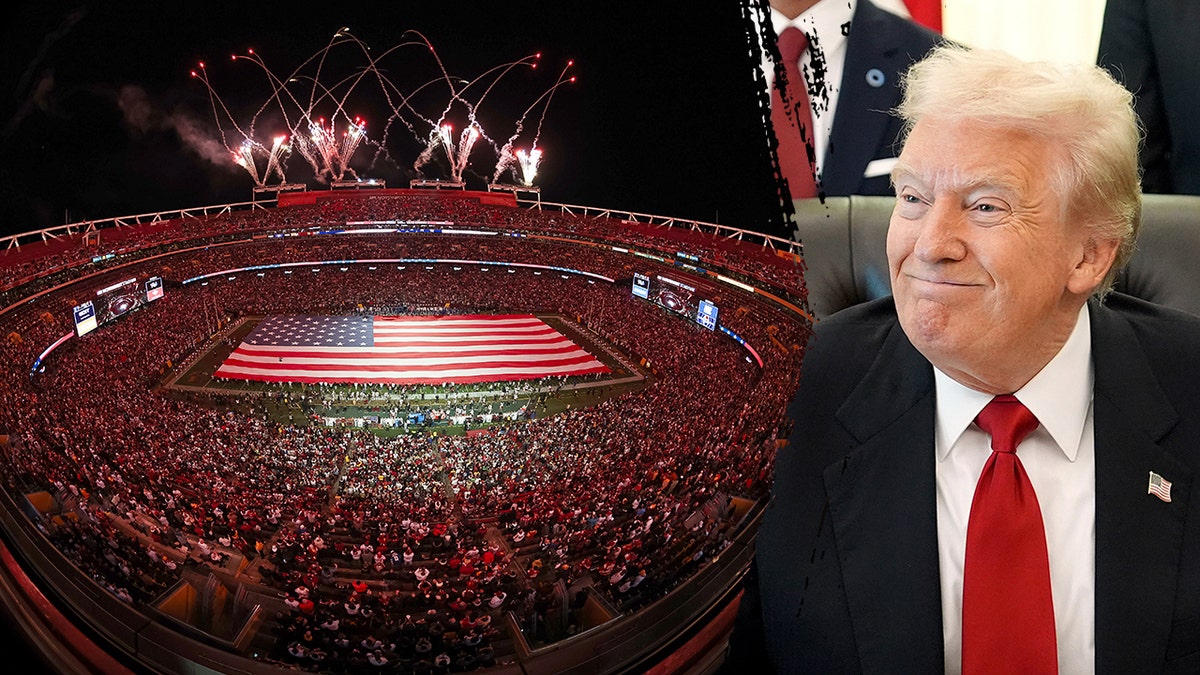
MIAMI — Videos circulating across social media platforms this week show Donald Trump appearing on stadium video boards during the College Football National Championship in Miami, followed by a burst of audible boos mixed with scattered cheers. The moment, replayed millions of times on TikTok, X and Instagram, has reignited debate over Trump’s standing with the broader public as the 2026 political cycle intensifies.
The footage, taken during the national anthem and later during a game break, does not offer a scientific measure of public opinion. But the reaction — loud enough to be unmistakable on multiple independent recordings — has become a cultural and political flashpoint, symbolizing the polarized reception Trump now faces even in venues traditionally considered apolitical.
A Stadium Moment Goes Viral
The championship game, held at Miami’s Hard Rock Stadium and attended by tens of thousands of fans, was already one of the most-watched sporting events of the year. When cameras panned briefly to Trump in a luxury suite, the reaction rippled through the crowd.
Supporters online quickly countered that the sound was selective, edited, or drowned out by cheers in other sections of the stadium. Critics responded by sharing additional clips from different angles, arguing that the boos were widespread and sustained.
As with many viral moments, the truth lies somewhere in between: the crowd was not unified, but the negative reaction was significant enough to dominate the audio captured on multiple recordings.
Not an Isolated Incident
The Miami episode follows similar moments over the past year in which Trump has been met with hostile reactions at high-profile sporting events. During a National Football League game in the Washington area months earlier, Trump was also booed when he appeared on screen — an incident that likewise spread rapidly online.
Taken together, these moments suggest that Trump’s presence at mass, nonpartisan gatherings increasingly produces visible dissent, particularly among younger and more diverse crowds.
“These are not rallies or partisan spaces,” said a political scientist at a Florida university. “They are cultural arenas. When a politician becomes the focus of booing there, it signals something about how politicized their image has become.”
Florida, Immigration and a Shifting Mood
The reaction in Miami carried additional resonance because of Florida’s complex political landscape. Trump won the state decisively in previous elections, and South Florida has long been viewed as fertile ground for Republican candidates.
But immigration policy has emerged as a fault line. Trump’s renewed enforcement push, including expanded detentions and deportations, has affected communities that once believed themselves insulated — including Cuban, Venezuelan and Nicaraguan families in Florida.
Local advocacy groups say anxiety has grown as enforcement actions have expanded. Videos and personal stories shared on Spanish-language social media platforms have fueled anger, particularly among mixed-status families.
“For a long time, many people here assumed they were safe,” said an immigration attorney in Miami. “That assumption no longer holds, and it’s changing political attitudes in real time.”
Cost of Living Pressures
Beyond immigration, economic frustration continues to shape public sentiment. Despite Trump’s repeated claims that affordability is improving, many Americans report persistent strain from high rents, grocery prices and health care costs.
Recent consumer surveys show that inflation may have cooled from earlier peaks, but everyday expenses remain elevated compared with pre-pandemic levels. For many households, the relief promised by political leaders has not yet materialized.
“People don’t experience the economy through statistics,” said an economist at a Washington think tank. “They experience it at the checkout line and when the rent is due.”
Polls and Public Opinion
Several recent polls — including some conducted by firms that previously leaned Republican — show Trump facing erosion among independents. While polls vary widely depending on methodology, the trend lines suggest a softening of support outside his core base.
Democrats, meanwhile, have made modest gains in national generic-ballot surveys, though analysts caution that more than a year remains before voters cast ballots and public opinion can shift rapidly.
The stadium boos, while anecdotal, align with those broader indicators of volatility.
The Meaning of Public Rejection
Political historians note that being booed in public is not unprecedented — presidents from both parties have faced jeers at various points. But in the age of smartphones and viral clips, such moments carry amplified consequences.
“Once something like this goes viral, it becomes part of the narrative,” said a media studies professor. “It reinforces perceptions — fair or not — about momentum, decline or rejection.”
Trump, for his part, has dismissed such reactions in the past as staged or unrepresentative, often pointing to rally crowds and online engagement as evidence of enduring support.
A Cultural Barometer, Not a Ballot
Ultimately, a stadium crowd is not an electorate, and boos are not votes. But moments like the one in Miami offer a glimpse into how political identities collide with shared cultural spaces.
In an era when politics permeates entertainment, sports arenas have become unexpected stages for civic expression — places where approval or disapproval is immediate, visceral and impossible to spin away entirely.
For Trump, the Miami reaction underscored a reality that has defined his political career: he remains one of the most recognizable and polarizing figures in American life. Wherever he appears, applause and outrage are never far apart.
And in a packed stadium, under the glare of national attention, the sound of boos — however mixed — carried a message that resonated well beyond the final score.