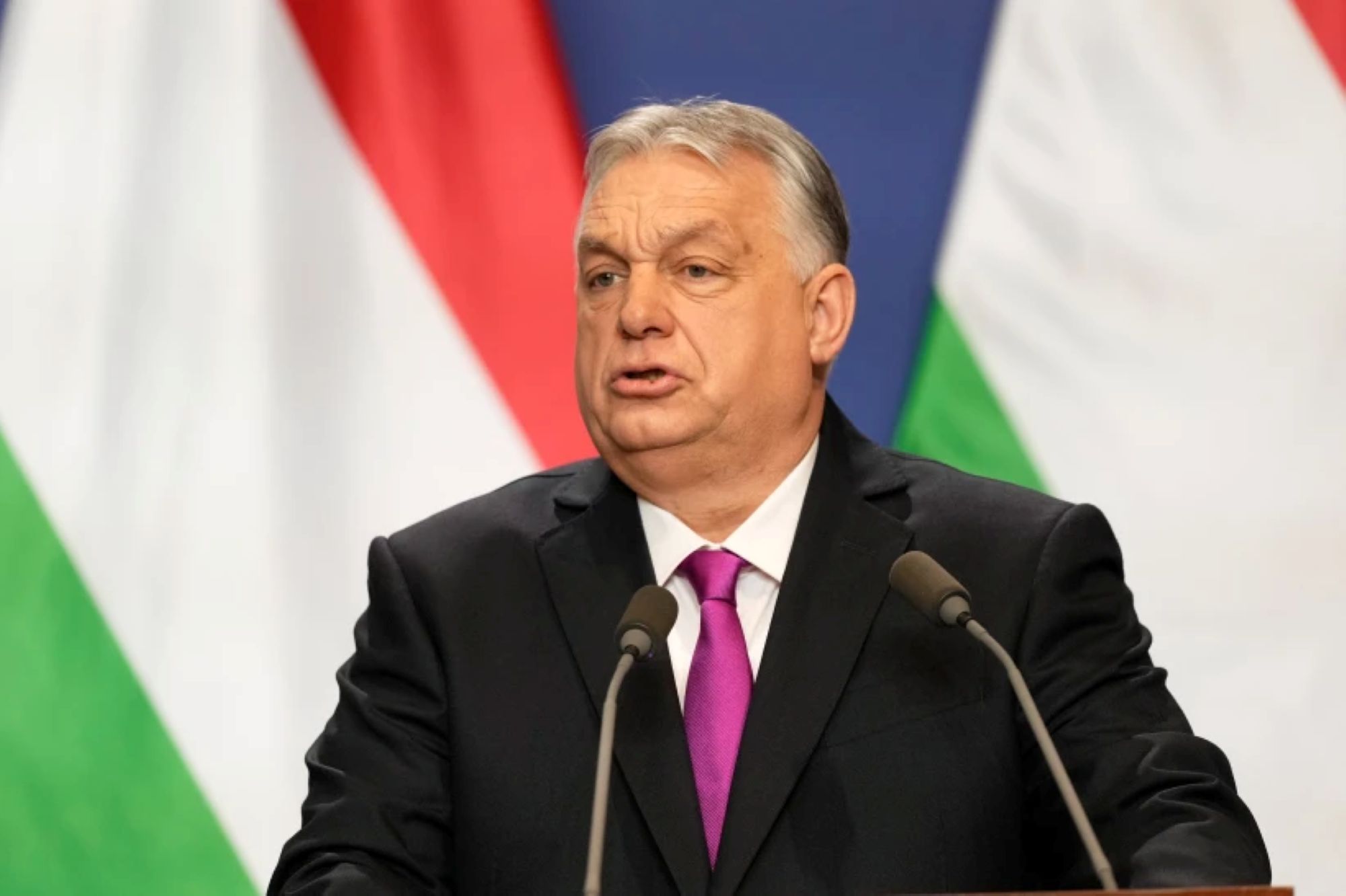
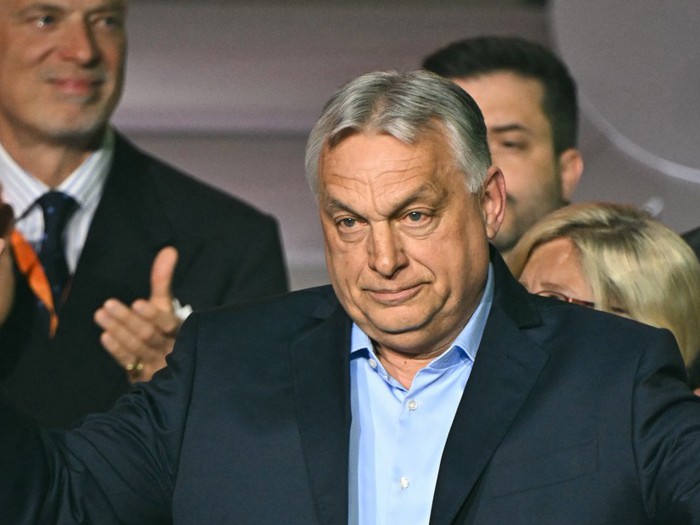
In Europe, the political change in Budapest was widely interpreted as a watershed moment. After years of tension between the European Union and Viktor Orbán’s government, many observers associated the new Prime Minister, Péter Magyar, with the expectation of a political fresh start. The hope was that Hungary would align itself more closely with Brussels’ position in the future.
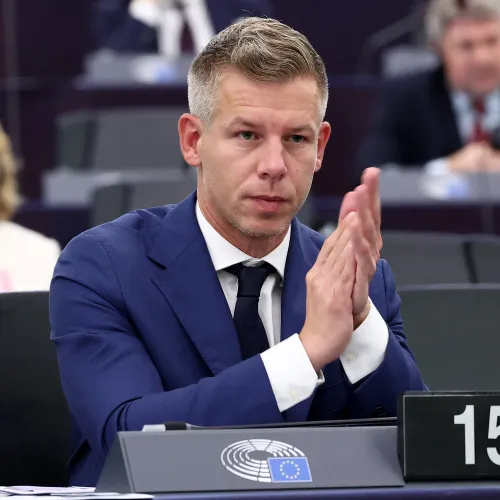
However, shortly after the change of government, there are increasing indications that Hungary’s key positions will largely remain unchanged. This very fact is sparking renewed debate in European capitals about the effectiveness of previous strategies towards Budapest.
The transcript states that Hungary does not intend to participate in a multi-billion euro loan package for Ukraine. Likewise, no agreement has been signaled for an accelerated EU accession process for Kyiv. Furthermore, Hungary intends to maintain its commitment to Russian oil imports.
Should these positions remain unchanged, it would be a clear sign of political continuity. For it was precisely in these areas – Ukraine policy, energy supply, and European unity – that Brussels had hoped for change.
The article therefore raises the question of whether the EU has overly personalized the situation in Hungary. For years, Orbán has been portrayed as the main cause of the conflict. The change of power now reveals that some differences may run deeper than the person of the former head of government.