When Comedy Confronts Power: The Colbert Cancellation and the Politics of Retaliation
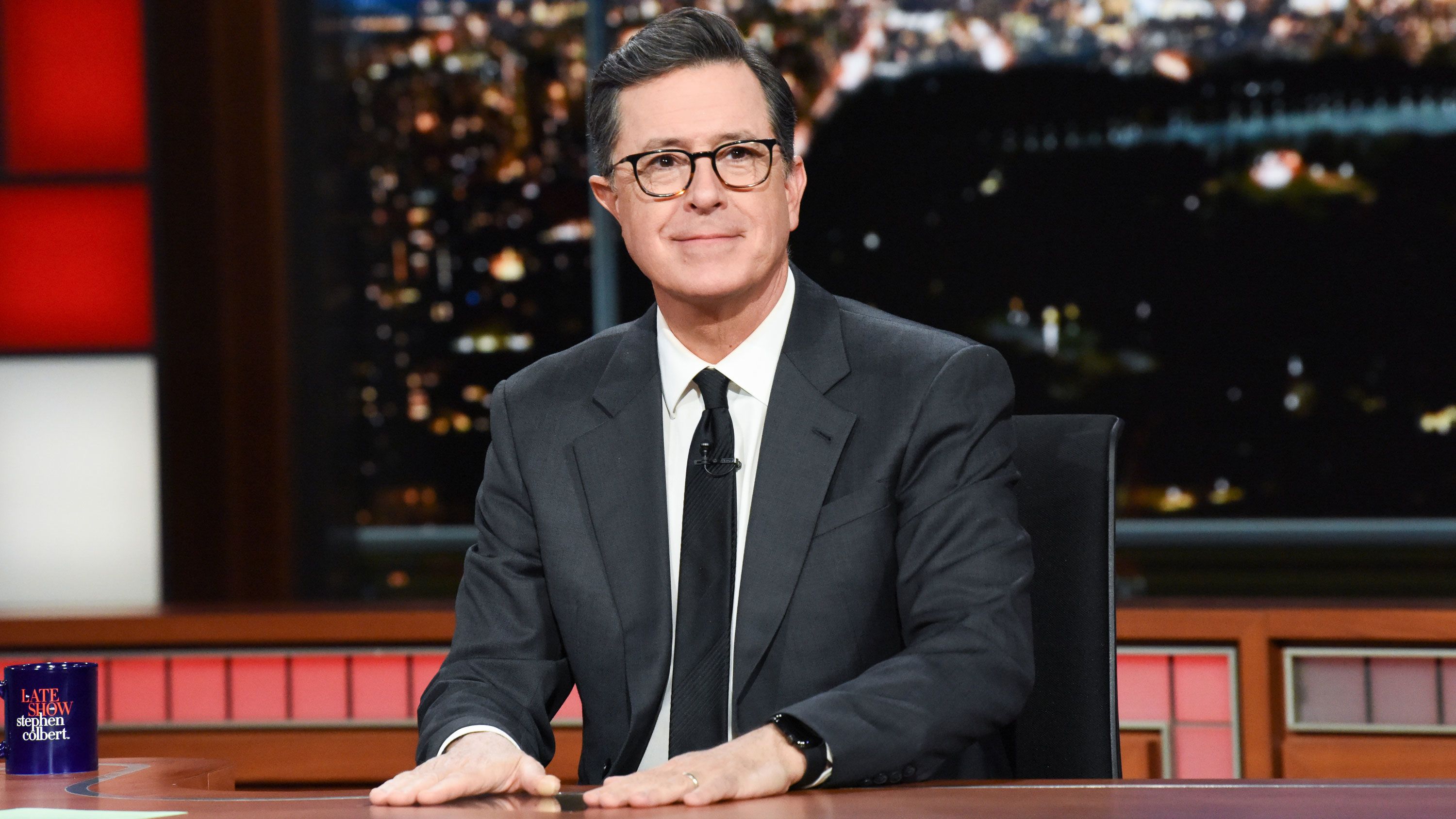
By mid-July 2025, a convergence of events at the intersection of media, politics, and corporate power ignited a debate that extended far beyond late-night television. At its center stood Stephen Colbert, the long-time host of The Late Show, whose program CBS announced would end in May 2026—closing a franchise that began with David Letterman more than three decades ago.
CBS and its parent company, Paramount Global, described the decision as a financial one, citing declining advertising revenues and structural challenges facing late-night television. Yet the timing of the announcement, coming just days after Colbert delivered an unusually pointed on-air rebuke of his own corporate parent, prompted widespread skepticism across media circles, political commentators, and social platforms.
A Settlement That Changed the Tone
The spark was Paramount’s decision to pay $16 million to settle a lawsuit brought by President Donald Trump over the editing of a 60 Minutes interview with Vice President Kamala Harris. According to reporting from multiple outlets, Paramount’s legal team had privately assessed the case as unlikely to succeed in court. The settlement, however, coincided with Paramount’s need for regulatory approval from the Federal Communications Commission for an $8.4 billion merger with Skydance Media—an approval overseen by an FCC chaired by a Trump appointee.
On July 14, Colbert addressed the settlement directly during his monologue. Speaking not as a satirist but as an employee, he said he was “offended” by the payment and questioned whether it represented a conflict of interest. He went further, describing the settlement as what “legal circles” might call “a big fat bribe.” It was a striking moment: a network star accusing his own parent company of compromising journalistic independence in order to appease political power.
Seventy-two hours later, CBS announced the show’s cancellation.
Corporate Explanations and Public Doubt
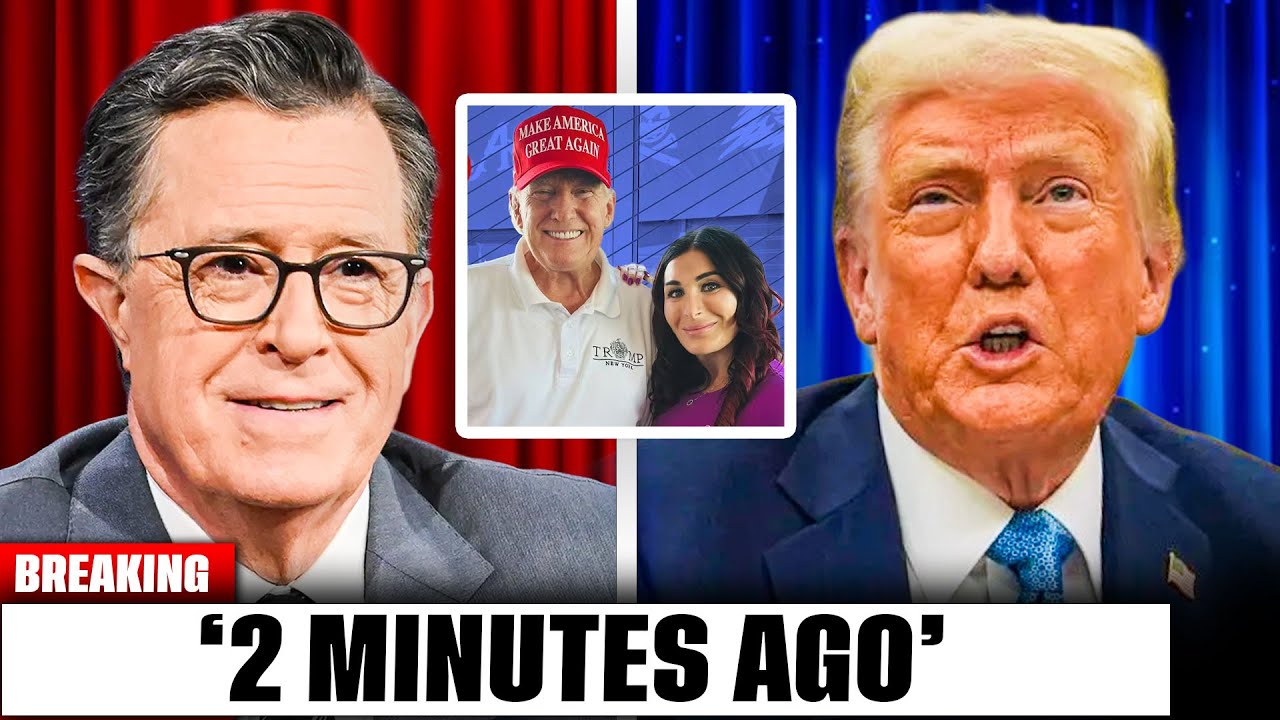
CBS executives insisted the decision had nothing to do with content, politics, or pressure from the Trump administration. In statements to the press, the network emphasized that late-night television has become increasingly unprofitable and that Colbert’s show was reportedly losing tens of millions of dollars annually.
Yet critics noted that The Late Show had been the highest-rated late-night program for nine consecutive years, consistently outperforming its competitors on ABC and NBC. Traditionally, such programs have functioned as “loss leaders”—shows that may not be profitable on their own but confer prestige, cultural relevance, and audience loyalty to a network.
“The numbers don’t tell the whole story,” said one former network executive, speaking anonymously to avoid professional repercussions. “Late night has always been about influence as much as revenue.”
Resignations and Internal Fractures
Fueling doubts about the official narrative were the resignations of two senior CBS figures earlier in the year. Wendy McMahon, CEO of CBS News, and Bill Owens, the long-time executive producer of 60 Minutes, both departed amid reports of internal conflict over editorial independence. In his resignation letter, Owens wrote that he could no longer maintain “the independence that honest journalism requires.”
Soon after the settlement became public, CBS Evening News anchor John Dickerson went on air and posed an extraordinary question to viewers: could a news organization still hold power to account after paying that power millions of dollars? The moment was widely shared online, interpreted by many as an implicit admission of institutional crisis.
The Broader Cultural Context
The Colbert controversy unfolded against a backdrop of intensifying global protests and public dissent aimed at President Trump. Over the same weekend, Trump was booed at sporting events in London and New Jersey. In Greenland and Denmark, demonstrators protested his renewed rhetoric about asserting U.S. control over the territory, remarks that prompted unusually blunt rebukes from European leaders.
Artists and cultural figures also entered the fray. At a New Jersey music festival, Bruce Springsteen criticized what he described as authoritarian tendencies within the Trump administration, drawing sustained applause from the crowd. Clips of the speech circulated widely on X, TikTok, and Instagram, amplifying the sense that cultural institutions were becoming one of the few remaining venues for overt political dissent.
Trump’s Reaction
President Trump responded to Colbert’s cancellation on Truth Social with characteristic bluntness, celebrating the decision and mocking the host’s talent and ratings. He went further, suggesting that Jimmy Kimmel, host of ABC’s Jimmy Kimmel Live!, could be “next.” The remark drew condemnation from press-freedom advocates, who warned that even rhetorical threats from a sitting president can have a chilling effect on speech.
Colbert addressed Trump’s post directly during his first show after the cancellation announcement. Speaking to a cheering audience, he rejected the idea that intimidation would silence other hosts. “I’m the martyr,” he joked darkly. “There’s only room for one on this cross.”
A Line Crossed?

Perhaps the most discussed moment came when Colbert, looking directly into the camera, responded to Trump’s gloating with a profane dismissal. The clip spread rapidly online, hailed by supporters as an act of defiance and criticized by opponents as unbecoming of network television.
Media scholars were divided. Some argued that the moment symbolized the erosion of traditional boundaries between journalism, comedy, and activism. Others saw it as an inevitable response to a political environment in which institutional norms had already been weakened.
“When power no longer respects guardrails, neither will satire,” said a professor of media studies at Columbia University.
What This Moment Represents
The cancellation of The Late Show may ultimately prove to be less about Stephen Colbert than about the future relationship between media corporations and political power. As legacy networks consolidate and become more dependent on regulatory approval, their willingness to confront government officials may diminish—particularly when those officials show little hesitation in publicly rewarding loyalty and punishing criticism.
Late-night comedy has historically served as a safety valve for public frustration, from the Vietnam War era to Watergate to the post-9/11 years. The question now, many observers argue, is whether that role can survive in an age when the targets of satire wield direct leverage over the institutions that broadcast it.
For Colbert, the final months of his show promise to be among the most scrutinized in late-night history. “The gloves are off,” he told his audience. Whether that defiance marks an ending—or a turning point—for political comedy on American television remains to be seen.






