America’s aggressive strategy to economically isolate China is now facing serious backlash, as new developments suggest the policy may have backfired in dramatic fashion. Just moments ago, global markets reacted to news that Canada has secured a historic trade deal with China, raising alarms in Washington and triggering what insiders describe as a state of near panic among U.S. policymakers.

The deal, reportedly covering key sectors such as energy, agriculture, critical minerals, and advanced manufacturing, positions Canada as a major winner in the escalating U.S.–China trade war. Analysts say Ottawa’s move highlights a growing frustration among U.S. allies who are increasingly unwilling to absorb economic losses tied to Washington’s hardline China blockade.
For the United States, the fallout is immediate and uncomfortable. The strategy of restricting technology transfers, imposing tariffs, and pressuring allies to cut ties with Beijing was designed to weaken China’s economic influence. Instead, critics argue it has pushed partners like Canada to seek independent paths, reducing U.S. leverage while strengthening China’s global trade network.
Canadian officials have emphasized that the agreement is rooted in economic realism rather than political defiance. With supply chain disruptions, inflation pressures, and uncertainty surrounding U.S. trade policy, Canada appears determined to protect its long-term growth. China, eager to counter U.S. restrictions, has reportedly offered favorable terms and rapid market access in return.
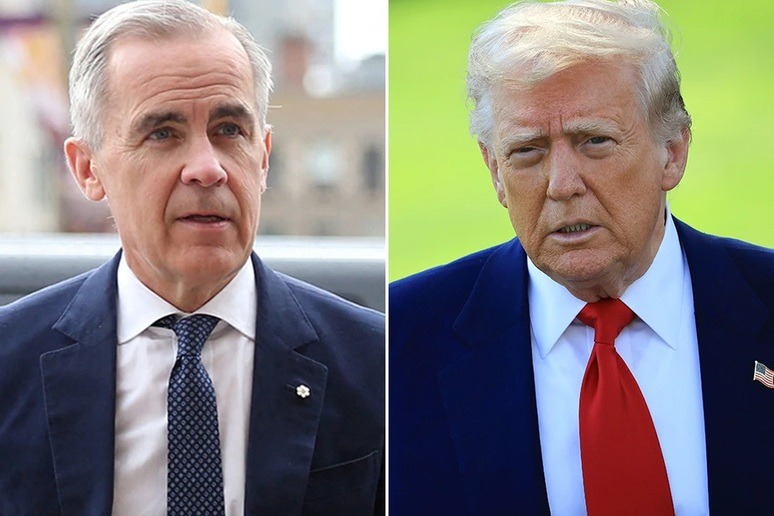
China’s gains from the agreement could be substantial, extending its footprint deeper into North America and reinforcing its position as an indispensable global trading partner. Experts warn that this moment could accelerate a broader trend in which middle powers bypass U.S.-led restrictions, reshaping global trade flows and weakening America’s ability to enforce economic blockades.
As tensions rise, one thing is undeniable: the U.S.–China trade conflict has entered a volatile new phase. Canada’s bold move has sent shockwaves through Washington, igniting debates over strategy, alliances, and economic leadership. Whether this marks a temporary setback or a long-term shift in global power, the message is clear—America’s trade war tactics are being tested like never before.






