Viral videos in recent days have revived a familiar storyline in American politics: a “star witness” has supposedly flipped against Donald J. Trump, delivering secret recordings that will “destroy” his defense. The thumbnails are cinematic—Trump fuming, prosecutors smiling, the words game over implied if not stated.
But the reality is less explosive, and in some ways more consequential.
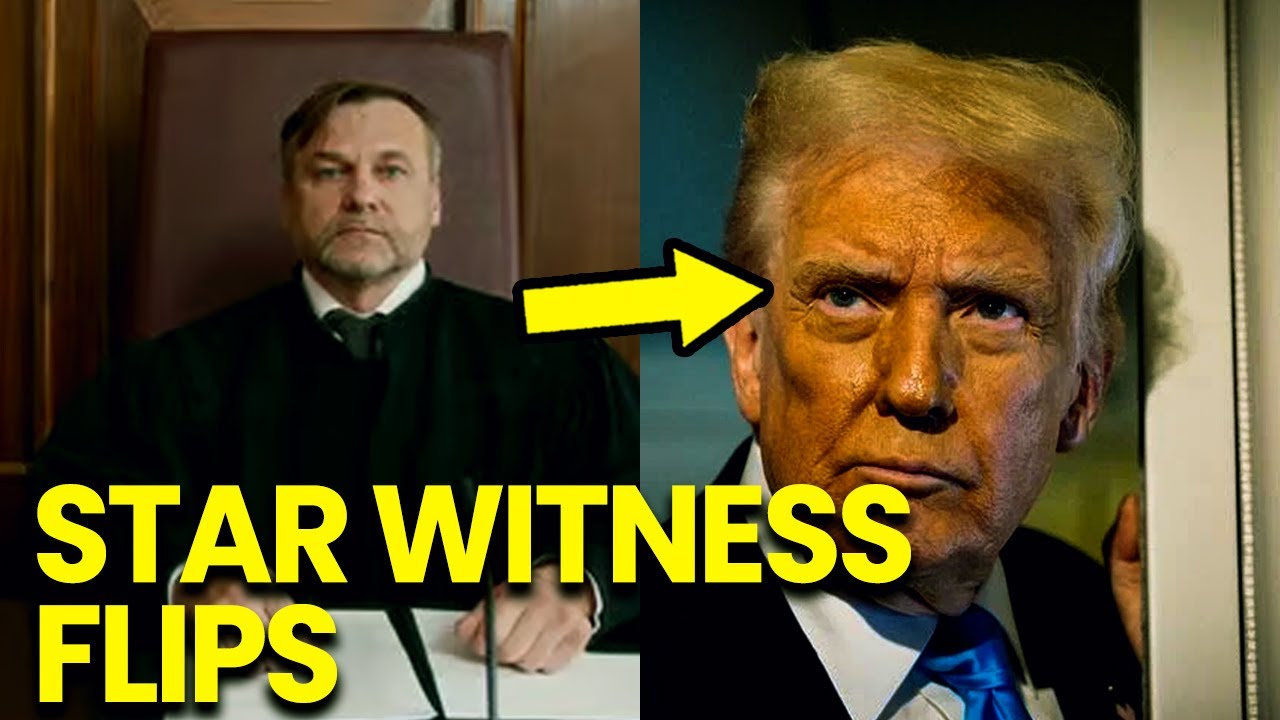
There is no verified reporting that a brand-new, previously unknown witness has suddenly emerged this week with a cache of recordings. What is real—and well documented—is an ongoing pattern in which people who once worked closely with Trump, or with his post-2020 legal effort, have cooperated with investigators or prosecutors when their own legal exposure became acute. That pattern, not a fresh “flip,” is what gives the clickbait narrative its plausibility.
One of the clearest examples came from Georgia’s election-interference prosecution in Fulton County. In October 2023, Sidney Powell, a former Trump-aligned attorney, entered a plea agreement that required, among other terms, cooperation and truthful testimony in future proceedings. Days later, Kenneth Chesebro, another attorney linked to the “fake electors” strategy, pleaded guilty to a felony count and agreed to probation, restitution, an apology letter, and truthful testimony if called. Jenna Ellis also took a plea deal in the same case, becoming another co-defendant to accept cooperation terms rather than test the charges at trial.
The Georgia case has faced delays and legal complications, and Trump has denied wrongdoing. Still, cooperation agreements matter because prosecutors often use insiders to establish intent—what defendants understood, what they were told, and why they acted. Paper trails can show what happened; insiders can explain the decision-making behind it.
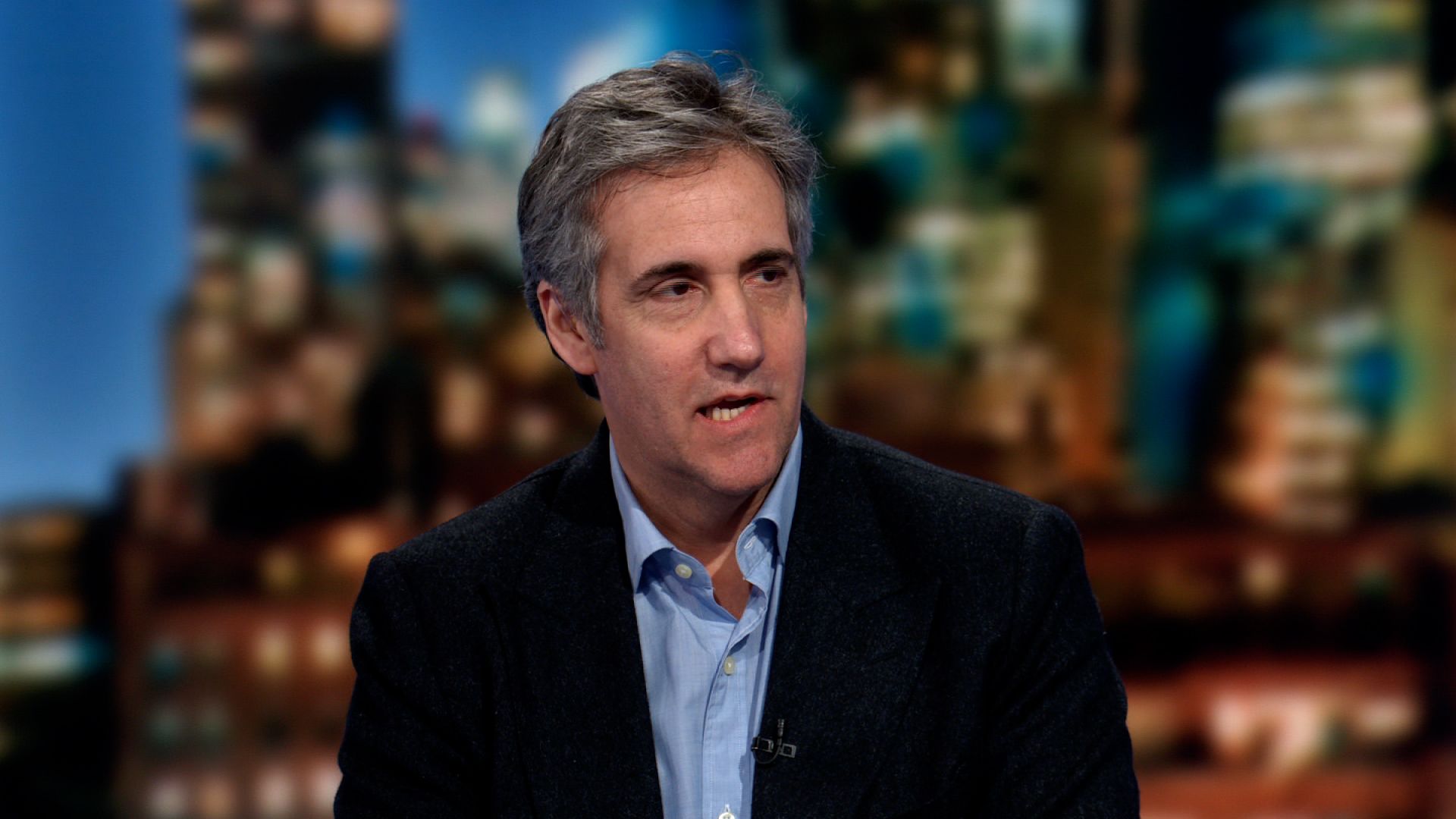
That dynamic appeared in New York as well. In Trump’s criminal hush-money trial, jurors convicted him on 34 felony counts of falsifying business records. The case centered on reimbursements for a $130,000 payment to Stormy Daniels routed through Michael Cohen, Trump’s former lawyer, who testified for the prosecution. Trump has said he will appeal.
Taken together, these developments underscore a basic truth about high-stakes prosecutions: loyalty is rarely durable when prison time, professional ruin, or financial penalties come into view. Cooperation is not proof that a defendant is guilty, and cooperating witnesses can be attacked as self-interested. But when their accounts are corroborated by documents, messages, recordings, or other witnesses, they can reshape a case.
In that sense, the viral “breaking witness” narrative misses the point. The story isn’t a single dramatic turn of events—it is the accumulation of pressure, plea deals, testimony, and evidence over years. The result is slower than social media suggests, and far more procedurally constrained. But it is also the kind of incremental record-building that prosecutors rely on when they try to prove what happened—and why.






