Trump Defends Attorney General as Court Filings Raise New Legal Questions
President Donald Trump moved swiftly this week to defend Attorney General Pam Bondi, after newly disclosed court filings and congressional correspondence raised serious questions about the legality of actions taken under her leadership at the Justice Department.
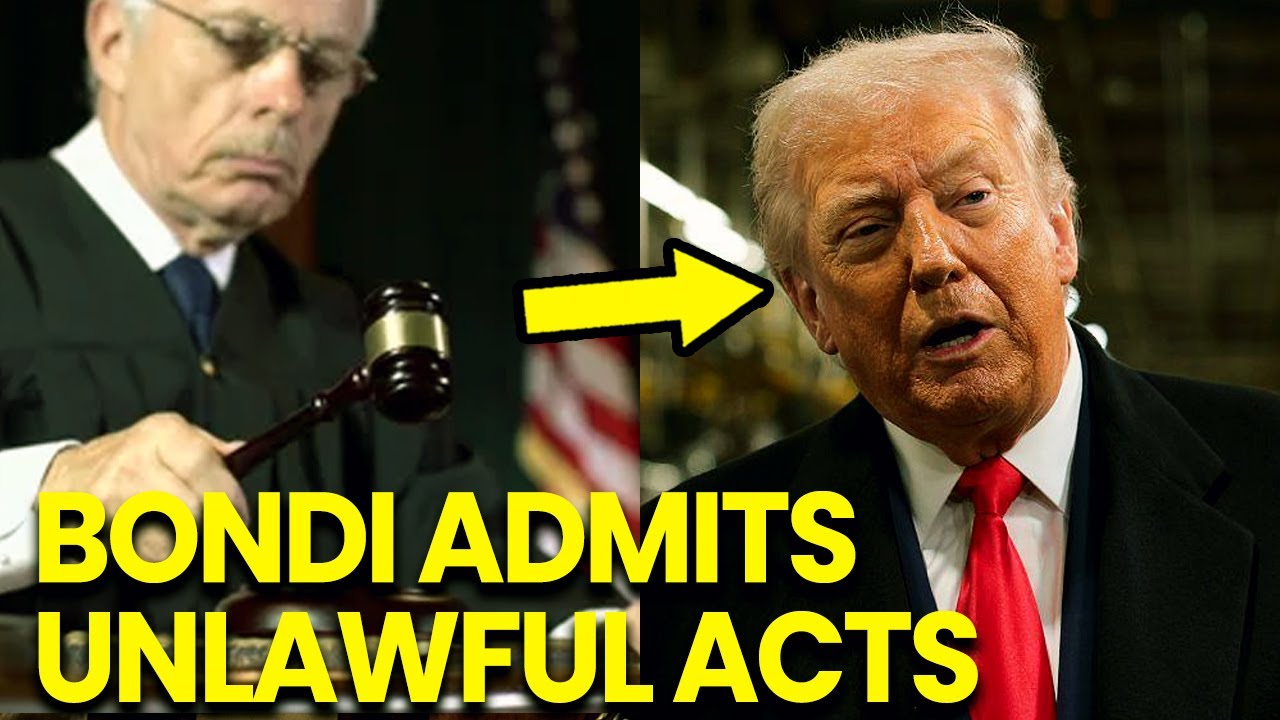
In a lengthy post on Truth Social, Mr. Trump dismissed criticism of Ms. Bondi as politically motivated and urged federal law enforcement agencies to redirect their focus toward issues he has repeatedly emphasized, including election integrity and public corruption. The statement came amid growing scrutiny from legal analysts and Democratic lawmakers, who argue that documents filed by the attorney general may amount to acknowledgments of improper conduct related to the appointment of a federal prosecutor.
At the center of the controversy is the Constitution’s Appointments Clause, which governs how certain federal officers must be nominated and confirmed. According to legal experts who have reviewed the filings, Ms. Bondi appears to have acknowledged that a prosecutor was initially appointed without satisfying those constitutional requirements. The filings further suggest that the Justice Department later attempted to retroactively ratify the appointment, an approach that critics say could raise significant legal and constitutional concerns.
Several constitutional scholars have noted that retroactive ratification, particularly if accompanied by backdated documentation, may expose an official to allegations of misconduct and potentially undermine the validity of actions taken by the improperly appointed prosecutor. If a court were to determine that the appointment was unconstitutional, defense attorneys could challenge prosecutions, investigations, or other official acts authorized under that authority.
The appointment issue is not the only matter drawing congressional attention. Democratic members of the House Judiciary Committee have sent multiple letters accusing the attorney general of failing to comply with oversight requests, including demands related to records connected to Jeffrey Epstein and questions surrounding Justice Department involvement in overseas operations affecting Venezuela. Some lawmakers have warned that continued noncompliance could lead to contempt proceedings if control of the House changes hands after the next election.
Ms. Bondi has not publicly conceded wrongdoing, and the Justice Department has not announced any internal review or disciplinary action. In testimony before Congress earlier this year, she defended the department’s actions as lawful and denied that political considerations influenced prosecutorial decisions. Still, legal analysts note that statements and filings submitted to courts carry particular weight, as they can be used as evidence in future proceedings.
For Mr. Trump, the situation presents an unexpected complication. He appointed Ms. Bondi as attorney general in part because of her reputation as a loyal ally and a forceful defender of his agenda. Now, critics argue that her legal exposure could ripple outward, placing additional strain on an administration already navigating multiple legal and political challenges.
Whether the controversy results in formal investigations or legal consequences remains uncertain. Much will depend on future congressional action, judicial review of the disputed appointments, and shifts in the political landscape. What is clear, however, is that the documents now in the public record are likely to be closely examined by lawmakers, courts, and legal experts for years to come.
As with many episodes in the Trump era, the outcome may ultimately hinge less on rhetoric than on how institutions respond to written records — and whether those records withstand constitutional scrutiny.






