False Claims of Judges Targeting T.r.u.m.p Fuel Viral Confusion Over Impeachment and the Courts
Washington — A sensational claim racing across social media this week asserts that 21 federal judges have declared former President T.r.u.m.p a “serious threat” to democracy and triggered an emergency impeachment process involving seven charges. The claim, amplified through viral videos and alarmist headlines, has drawn widespread attention — and equally swift rebuttal from legal experts, court officials, and congressional aides, who say the assertion is entirely unfounded.
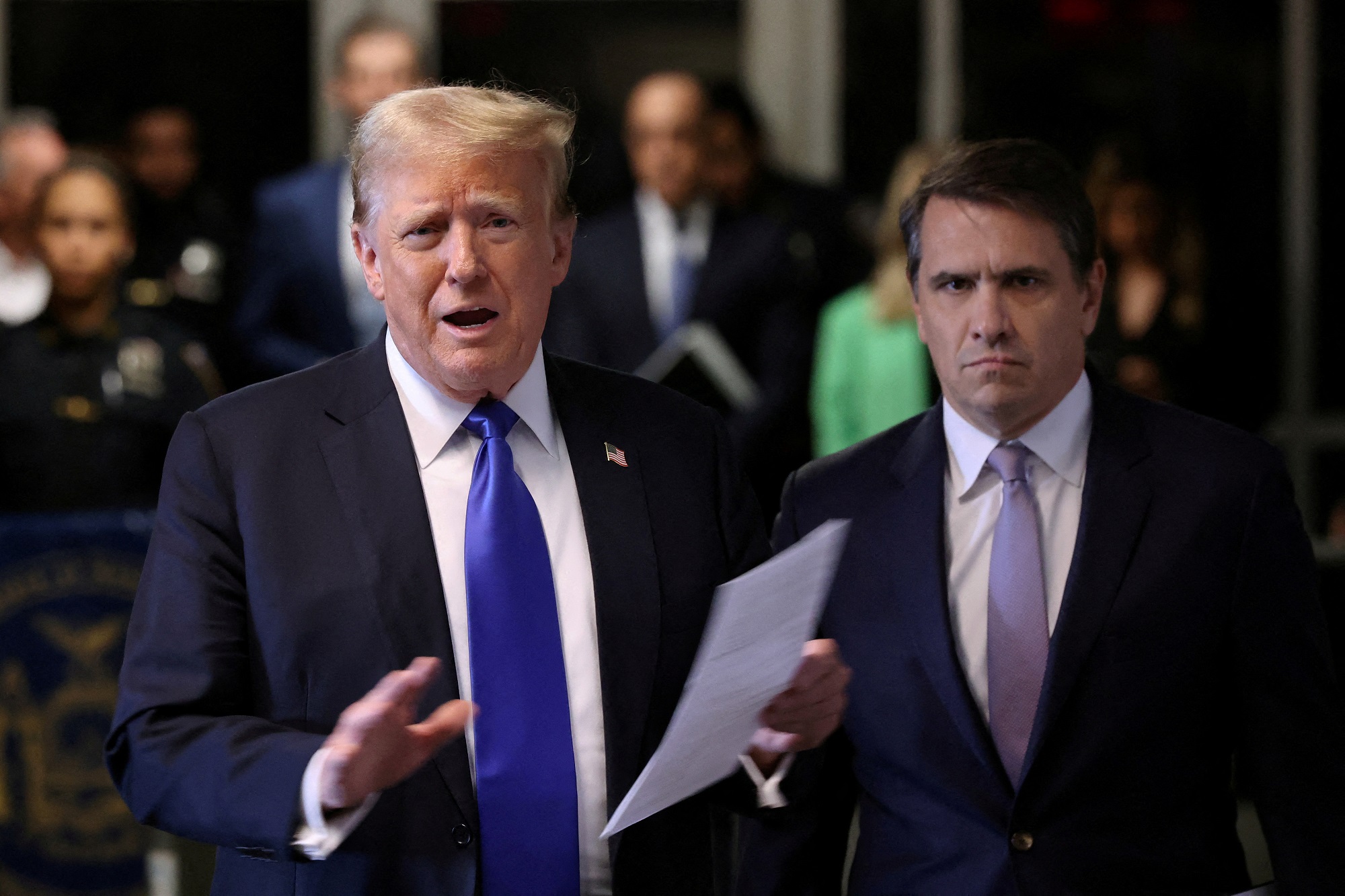
No collective declaration by federal judges exists. No emergency impeachment has been initiated. And no new articles of impeachment have been scheduled for consideration in Congress.
The episode illustrates how misinformation, packaged in the language of legal authority and urgency, can spread rapidly during moments of political tension — particularly when it invokes the judiciary, an institution traditionally insulated from partisan conflict.
According to constitutional scholars, the claim fundamentally misunderstands both the role of federal judges and the mechanics of impeachment. Judges are bound by strict ethical rules that prohibit public political commentary, especially statements targeting specific individuals or elected officials. Collective political pronouncements by judges would represent a profound breach of judicial norms — one that would itself trigger immediate institutional response.
“There is no mechanism by which federal judges can issue a joint political declaration labeling an individual a threat,” said one former federal clerk familiar with judicial ethics rules. “It simply does not happen.”
Impeachment, meanwhile, is a political process reserved exclusively for Congress. The Constitution grants the U.S. House of Representatives sole authority to initiate impeachment proceedings, while the Senate conducts trials. Courts play no role in launching impeachment, emergency or otherwise. As of now, House leadership has announced no new impeachment action, and the Senate calendar contains no related proceedings.
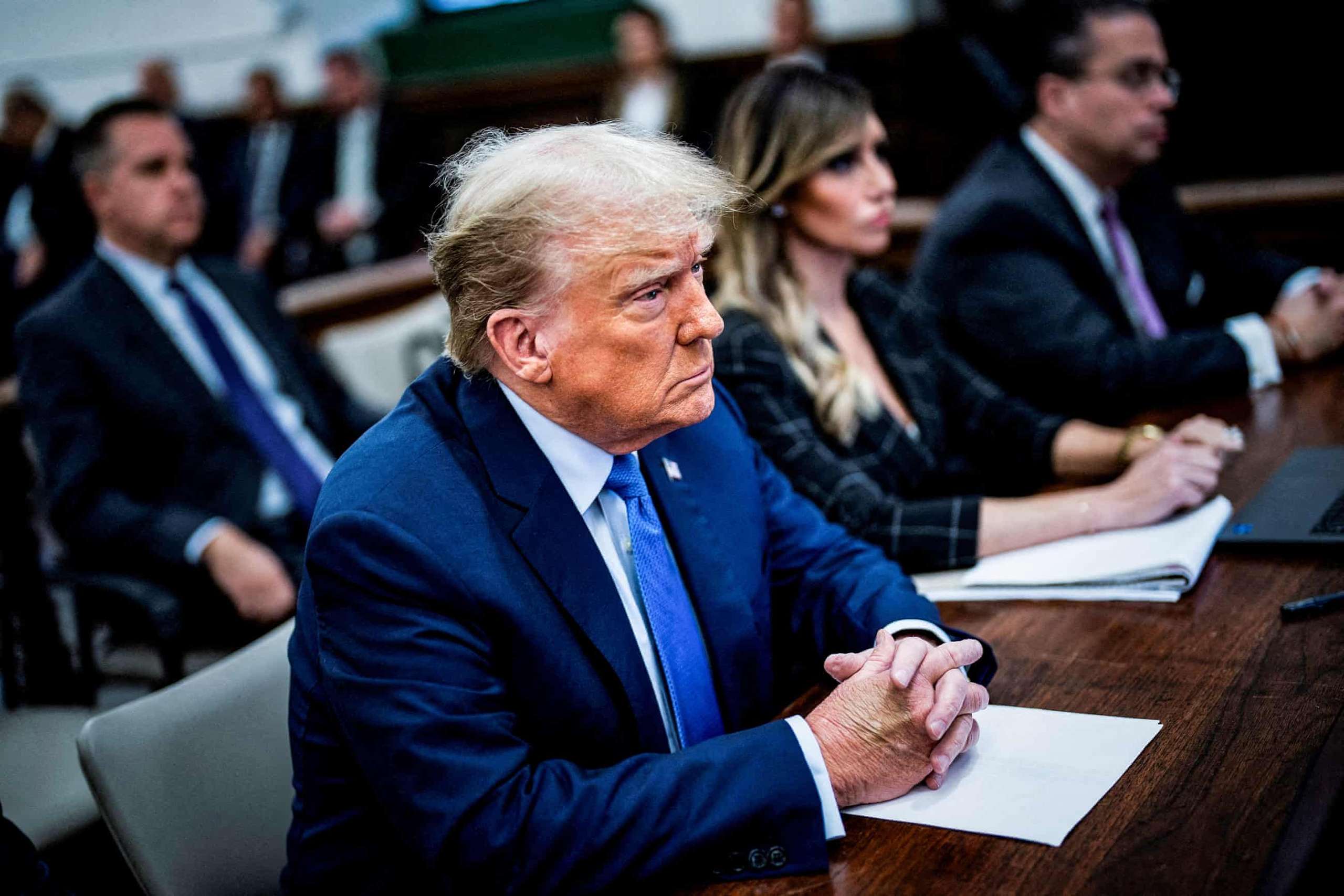
Despite the lack of evidence, the viral narrative has gained traction by blending real legal developments involving T.r.u.m.p with fabricated procedural claims. The former president does face criminal cases in multiple jurisdictions, a reality that has fueled speculation about potential consequences, including incarceration. But legal analysts caution that criminal convictions and impeachment are entirely separate processes, governed by different standards, institutions, and timelines.
Major news organizations report that there are no court filings, judicial statements, or congressional resolutions supporting the viral allegation. Nor have any credible sources corroborated claims of “protocol-breaking judges,” secret Senate votes, or coordinated judicial rebellion.
The language used in the posts — emphasizing secrecy, urgency, and suppressed truth — mirrors patterns commonly associated with political misinformation. By suggesting that official channels are compromised or hiding facts, such narratives encourage audiences to rely on unverified sources while dismissing established reporting.
“This is a textbook example of how disinformation operates,” said a media analyst who studies viral political content. “It combines legitimate public anxiety with invented authority to create a sense of inevitability.”
The confusion has been compounded by genuine public questions surrounding T.r.u.m.p’s legal exposure. While he has been convicted on criminal charges in at least one case, legal experts note that sentencing outcomes depend on numerous factors, including appeals, jurisdictional rules, and judicial discretion. Assertions that incarceration is imminent — or irrelevant, as some viral posts claim T.r.u.m.p has said — remain speculative.
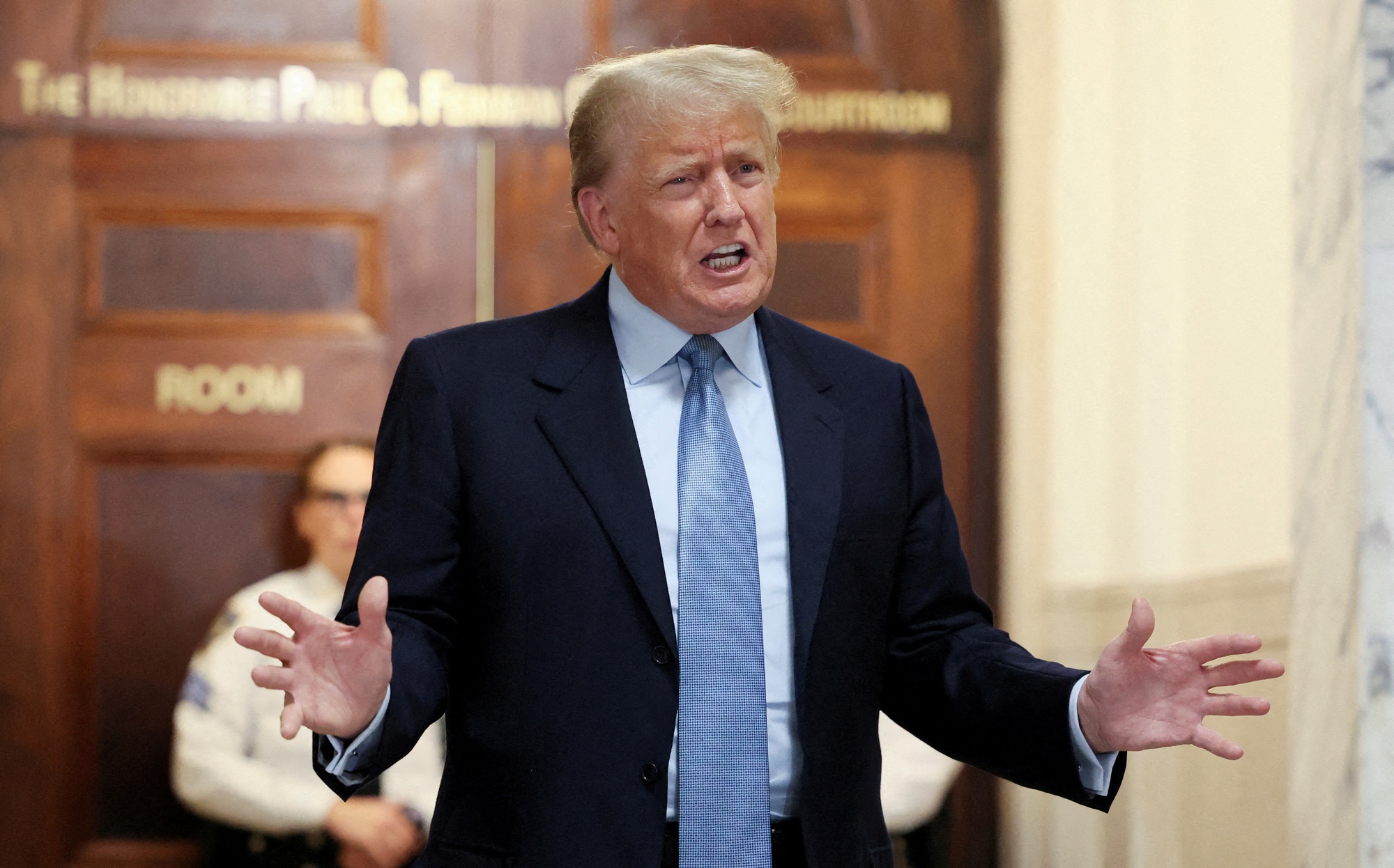
Meanwhile, established institutions have urged caution. Court officials stress that judges communicate through rulings, not declarations. Congressional aides emphasize that impeachment proceedings are public, procedural, and impossible to conceal. And legal scholars reiterate that extraordinary claims require verifiable documentation — none of which has surfaced.
The spread of the false narrative underscores the challenge facing readers navigating a fragmented media environment, where sensational claims can outpace corrections. As debates over accountability, democratic norms, and the rule of law continue, experts advise relying on primary sources, court records, and established reporting rather than viral clips framed as urgent revelations.
For now, the claim that 21 federal judges have declared T.r.u.m.p a grave threat and forced an emergency impeachment remains unsupported by any evidence. No such process is underway — and no credible authority suggests otherwise.






