Trump Renews Push for Greenland, Softens Military Threat After Global Backlash
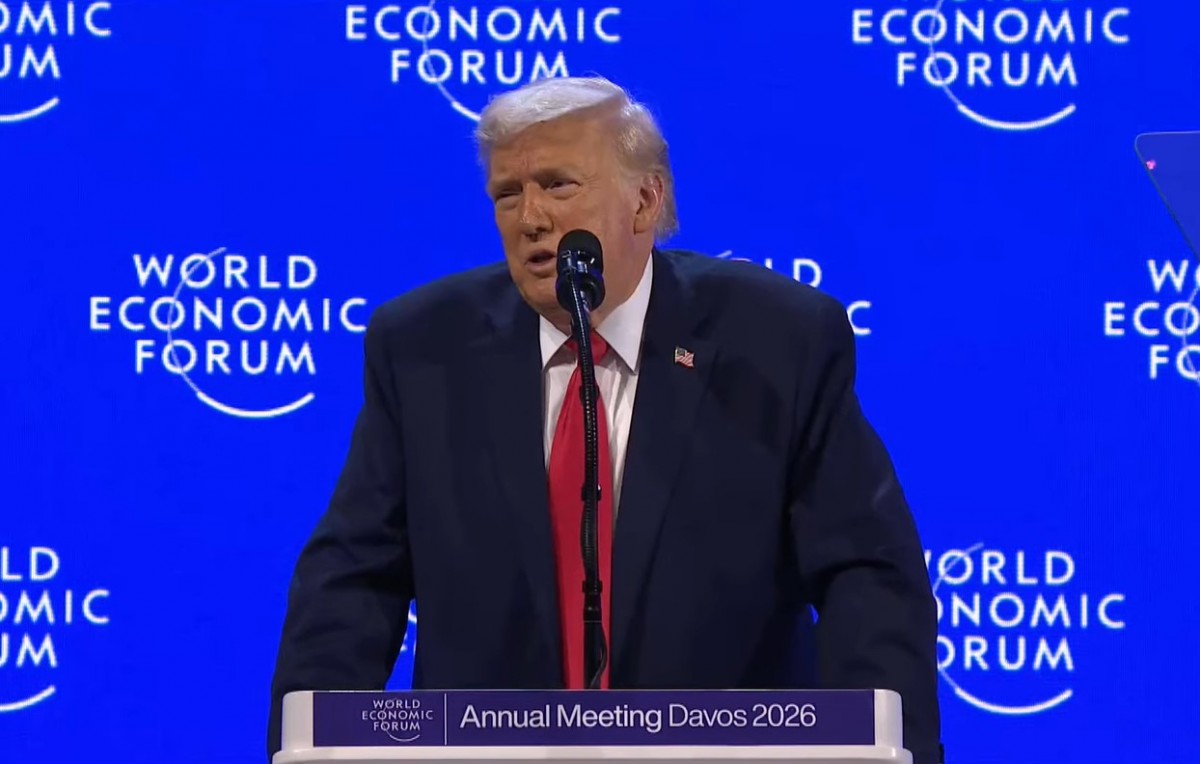
DAVOS, Switzerland — Standing before a room of global leaders at the World Economic Forum on Thursday, President Trump delivered what aides billed as a defining foreign policy speech of his second term. Instead, it became a moment of retrenchment.
The president reiterated his long-standing desire for the United States to acquire Greenland, calling it a “small ask” and framing the move as essential to American security. But for the first time, he offered an explicit assurance that the United States would not use military force to seize the Danish territory — a clarification that came only after days of intense criticism from U.S. allies, financial markets, military experts, and even members of his own party.
“I don’t have to use force. I don’t want to use force. I won’t use force,” Mr. Trump said, drawing brief applause after earlier remarks had prompted laughter and visible discomfort in the room.
The statement marked a notable shift in tone, if not ambition. While backing away from the threat of invasion, the president said he wanted to begin negotiations immediately to bring Greenland under U.S. control — a prospect overwhelmingly opposed by both Greenland’s population and the Danish government.
The speech capped a tumultuous week in which Mr. Trump publicly antagonized NATO allies, leaked private diplomatic communications, triggered market volatility with tariff threats, and revived a proposal that many foreign policy experts have long viewed as legally implausible and diplomatically destabilizing.
A Proposal Revived, and Rejected
Greenland, an autonomous territory within the Kingdom of Denmark, has been central to U.S. Arctic strategy for decades. The United States already operates Pituffik Space Base under a 1951 defense agreement that allows Washington to expand its military presence without acquiring sovereignty.
Yet Mr. Trump has repeatedly dismissed those arrangements as insufficient, arguing — without evidence — that Denmark is incapable of securing Greenland from threats posed by China and Russia.
That claim has been sharply disputed. In recent days, Denmark and several European allies announced new Arctic deployments and investments aimed at reinforcing regional security, a move officials described as both a practical response to climate-driven geopolitical competition and a signal to Washington that the alliance remains capable.
In Greenland itself, the president’s remarks have been met with anger and anxiety. Local leaders across the political spectrum have reiterated that Greenland is not for sale and that its future must be determined by its people, the majority of whom are Inuit and maintain a strong cultural and historical identity distinct from both Denmark and the United States.
“He talks about Greenland like it’s a piece of real estate,” said one Greenlandic resident interviewed by CNN. “This is our home.”
Allies Publicly Rebuked
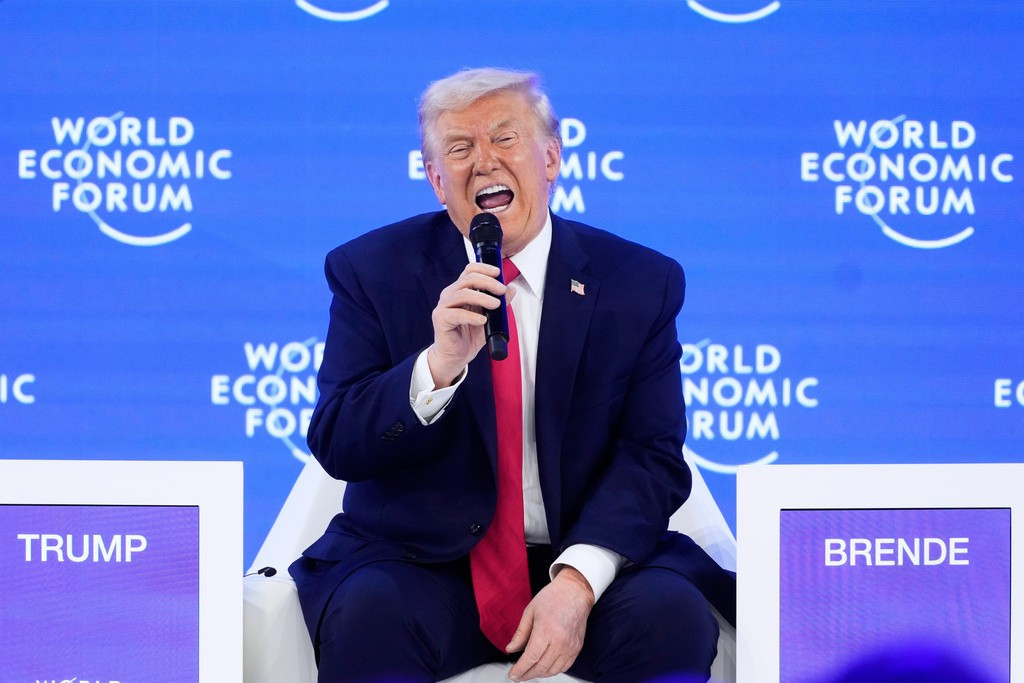
Mr. Trump’s Greenland comments were only part of a broader address that stunned many in attendance.
In an unprecedented move for an American president at Davos, he criticized NATO by name, argued the alliance had “never done anything” for the United States, and singled out allied leaders for condemnation. He mocked French President Emmanuel Macron and attacked Canadian Prime Minister Mark Carney, accusing Canada of surviving only because of American protection.
Those remarks omitted a critical historical fact frequently noted by diplomats and historians alike: NATO’s Article 5 — the alliance’s collective defense clause — was invoked only once, after the September 11 attacks, when allies including Denmark sent troops to fight alongside U.S. forces in Afghanistan. Denmark suffered one of the highest per-capita casualty rates among coalition partners.
European officials described the president’s speech as confrontational and historically selective. Within hours, the European Parliament’s trade leadership announced it was suspending work on a proposed U.S.–EU trade agreement, citing “continued and escalating threats” toward Greenland and Denmark.
Privately, European diplomats said the tone of the speech hardened views that Mr. Trump sees alliances as transactional rather than strategic — a concern echoed widely across social media by former diplomats, security analysts, and even some conservative commentators.
Pressure From All Sides
The president’s decision to rule out military force appeared less like a strategic recalibration than a response to mounting pressure.
World leaders had been unusually direct in their objections, according to officials familiar with diplomatic exchanges. Several private messages — some of which Mr. Trump himself later shared — warned that pursuing Greenland would irreparably damage transatlantic relations.
Domestically, Republican lawmakers, typically reluctant to challenge the president publicly, began expressing unease. When members of the president’s own party voice criticism on television, aides say, it often reflects far stronger objections behind closed doors.
Financial markets delivered another warning. U.S. stocks fell sharply after the president threatened tariffs against European countries supporting Denmark, unsettling investors already wary of renewed trade conflicts.
Military leaders, current and former, have also been blunt. Retired generals interviewed by major networks called the Greenland proposal strategically unnecessary, noting that the United States already enjoys extensive access to the territory without bearing the diplomatic cost of annexation.
“This achieves nothing and risks everything,” one former Pentagon official wrote on X.
A Pattern of Retreat — For Now
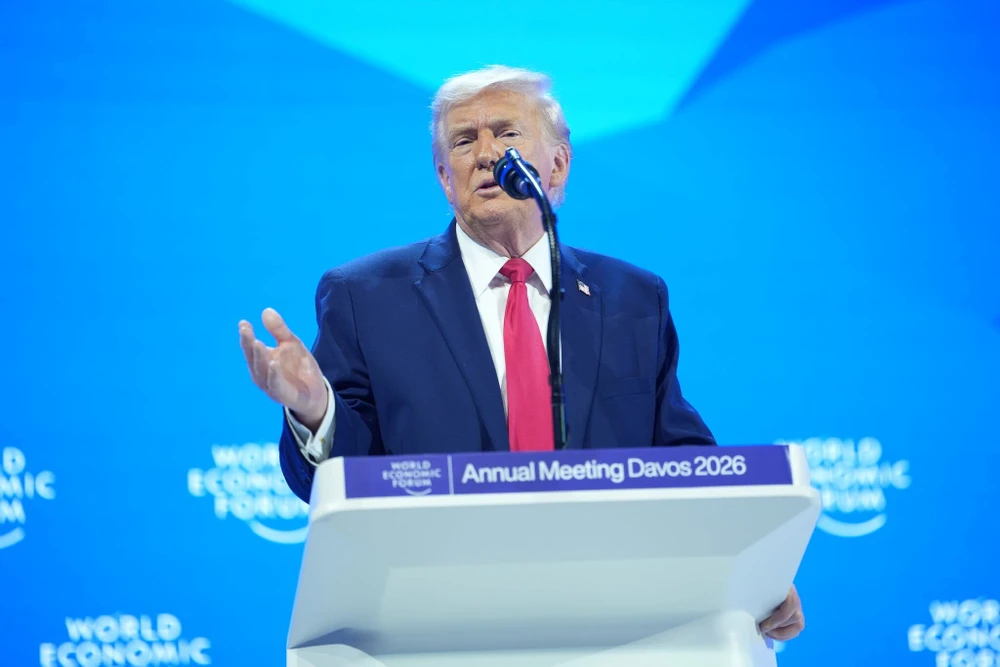
Mr. Trump’s defenders framed his remarks as statesmanship, arguing that his willingness to rule out force demonstrated flexibility. Critics, however, saw a familiar pattern: maximalist threats followed by partial retreat.
The president’s history of abrupt reversals — on tariffs, troop deployments, and diplomatic initiatives — has led allies and adversaries alike to question the durability of his commitments. As one European official put it, “Today he won’t use force. Tomorrow, who knows?”
That uncertainty has become a defining feature of the administration’s foreign policy, complicating long-term planning for allies and feeding skepticism abroad about American reliability.
For now, Greenland remains Danish, NATO remains intact, and the United States continues to operate its Arctic bases under existing agreements. But the episode has left scars — and raised deeper questions about how far the president is willing to push America’s alliances in pursuit of personal and political leverage.
As Mr. Trump left the stage in Davos, the applause was polite but restrained. The message he intended to send — that America would dictate terms to the world — was overshadowed by the message many leaders heard instead: that global resistance, economic consequences, and political pressure can still force even the most combative president to step back.
Whether that restraint lasts may determine far more than the fate of Greenland.






