JD Vance Slams Keir Starmer Over “Two-Tier Justice,” Igniting Transatlantic Row on Law and Free Speech
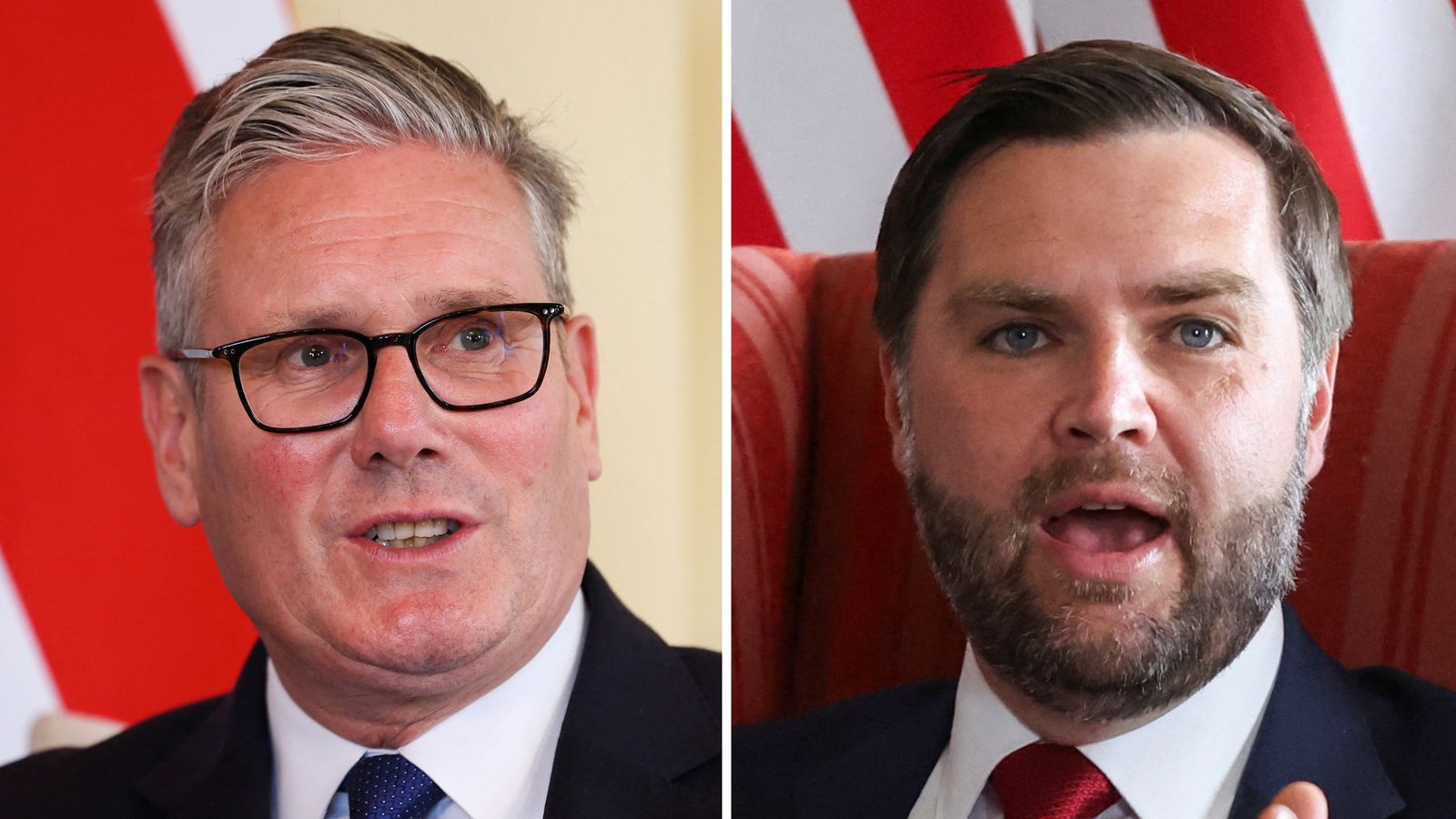
U.S. Senator JD Vance has launched a blistering attack on UK Prime Minister Keir Starmer, accusing Britain of abandoning its historic commitment to equal justice and free speech. The comments, delivered amid growing controversy over new sentencing guidelines in England and Wales, have sparked a transatlantic political storm and intensified scrutiny of Starmer’s leadership at a moment of mounting domestic pressure.
At the center of the dispute are proposed sentencing rules that allow judges to consider factors such as race, gender, and personal background when determining punishment. Supporters argue the measures are designed to correct long-standing inequalities in the justice system. Critics, however, claim they create a “two-tier justice system,” where individuals are treated differently not for what they have done, but for who they are. Vance has been among the most vocal opponents, warning that such policies undermine the principle that the law should apply equally to all.
Speaking bluntly, Vance said Britain is drifting away from the values that once made it a global symbol of liberty and fairness. He argued that identity-based mitigation would inevitably result in harsher treatment for some groups, particularly white men, while others receive more lenient sentences for comparable crimes. According to Vance, this shift represents not progress, but a dangerous politicization of justice that erodes public trust in the legal system.

The senator also took aim at Starmer’s response to the controversy, describing it as weak and evasive. When pressed, the prime minister said he was “disappointed” by the sentencing council’s approach and promised to consider legislative options, including fast-tracked reforms. For critics like Vance, this language sounded less like decisive leadership and more like a leader distancing himself from policies unfolding on his watch. “He has the power to act,” Vance’s supporters argue, “yet he speaks as though he is merely an observer.”
Beyond sentencing, Vance broadened his critique to free speech, accusing the UK of fostering a climate of censorship through expansive hate-speech laws. He warned that vague legal definitions risk criminalizing legitimate opinions and discouraging open debate. Citing cases where individuals have faced police action for peaceful expression, critics say Britain is blurring the line between protecting the public and policing thought, a charge the government strongly disputes.
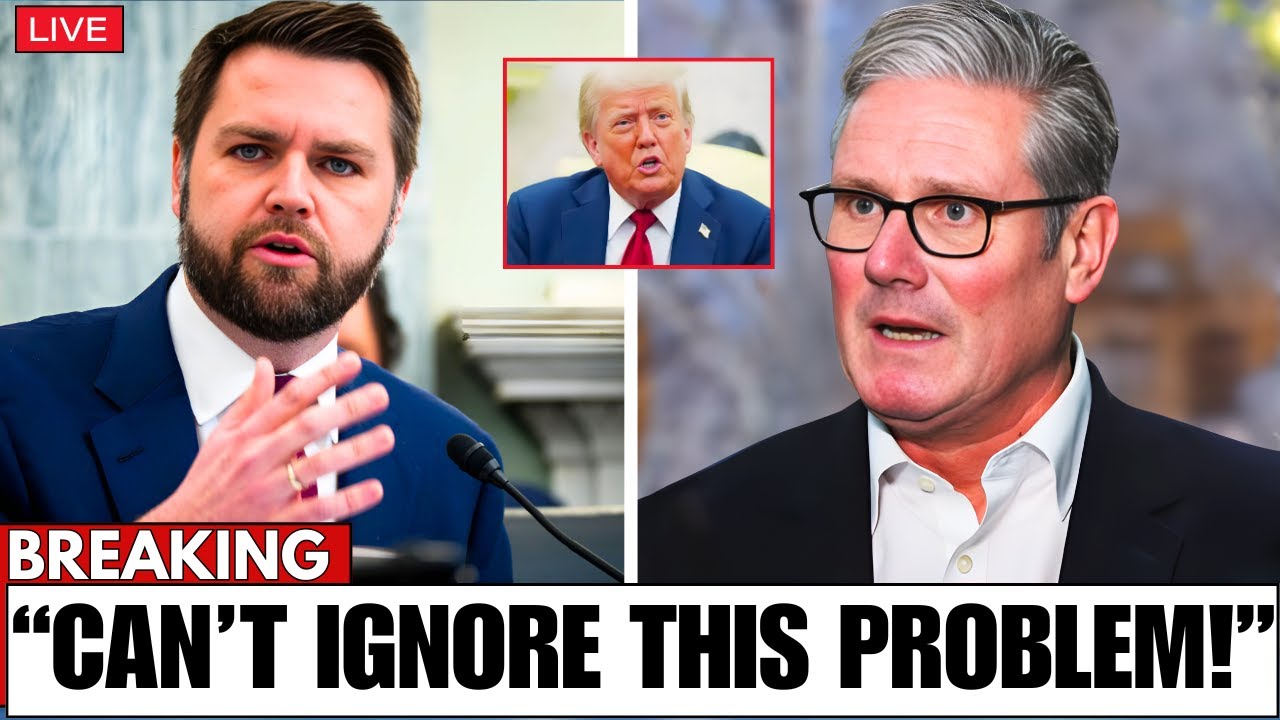
The clash highlights a deeper ideological divide shaping politics across the West. Supporters of identity-based policies see them as necessary corrections to historic injustice, while opponents argue they replace equality with preferential treatment. For Vance, Britain’s trajectory is a cautionary tale: a country that took centuries to build its legal traditions now risks dismantling them at speed. As pressure mounts at home and criticism grows abroad, Starmer faces an increasingly urgent question—can he convincingly defend Britain’s claim to be a nation where justice is truly blind?