The U.S. egg industry is reeling after Canada abruptly halted imports, leaving an estimated 175 million American eggs stranded and unsold almost overnight. The unexpected decision has sent shockwaves through farming communities across the Midwest and South, triggering fears of a deepening agricultural crisis. Producers say they were given little warning, and many are now scrambling to find alternative markets before massive financial losses pile up.
According to industry sources, the ban stems from heightened Canadian biosecurity rules aimed at protecting domestic farms from avian influenza and other cross-border risks. However, U.S. exporters argue that their eggs meet international safety standards and that the sudden closure is more political than scientific. The timing could not be worse, as American farmers are already under pressure from rising feed costs, labor shortages, and lingering supply chain disruptions.
The scale of the fallout is staggering. One hundred seventy-five million eggs — roughly the output of several major states combined — are now in limbo, overwhelming storage facilities and crushing wholesale prices. In some regions, egg prices paid to farmers have reportedly dropped by double digits within days. Smaller family farms, operating on thin margins, face the real possibility of bankruptcy if the standoff drags on.
Trade analysts warn that the dispute could quickly escalate into a broader agricultural trade war. Canada is one of the United States’ largest and most reliable agricultural partners, and eggs are a key component of that relationship. If diplomatic talks fail, retaliation could spread to other products such as poultry, dairy, and grain, amplifying the damage on both sides of the border.

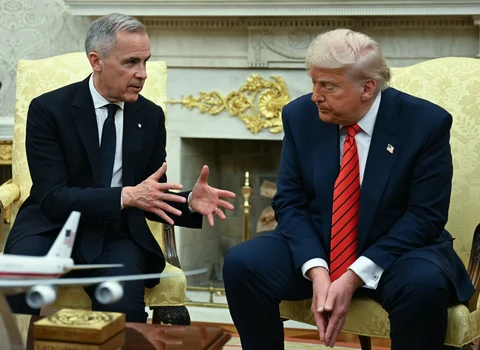
Politically, the crisis is already becoming a flashpoint. Critics say former President Donald Trump’s aggressive trade posture weakened trust with key allies, leaving U.S. farmers vulnerable to sudden policy shifts. Supporters counter that Canada is exploiting regulatory loopholes to protect its own market. As the blame game intensifies, farmers remain caught in the middle, watching their livelihoods hinge on high-level negotiations.
For now, American egg producers are racing against time. Without swift government intervention or emergency export deals, millions of eggs could go to waste, turning a trade dispute into a humanitarian and economic disaster. What began as a regulatory move has snowballed into a full-blown industry crisis — one that could permanently reshape North American agricultural trade.






