By XAMXAM
WASHINGTON — Beneath the surface of Washington’s daily theatrics, a more consequential drama is quietly advancing on a fixed schedule. It is not driven by breaking scandals or spontaneous outrage, but by paperwork already drafted, filed, and waiting for a single political condition to change. The United States may be heading toward an impeachment showdown that is less reaction than design.
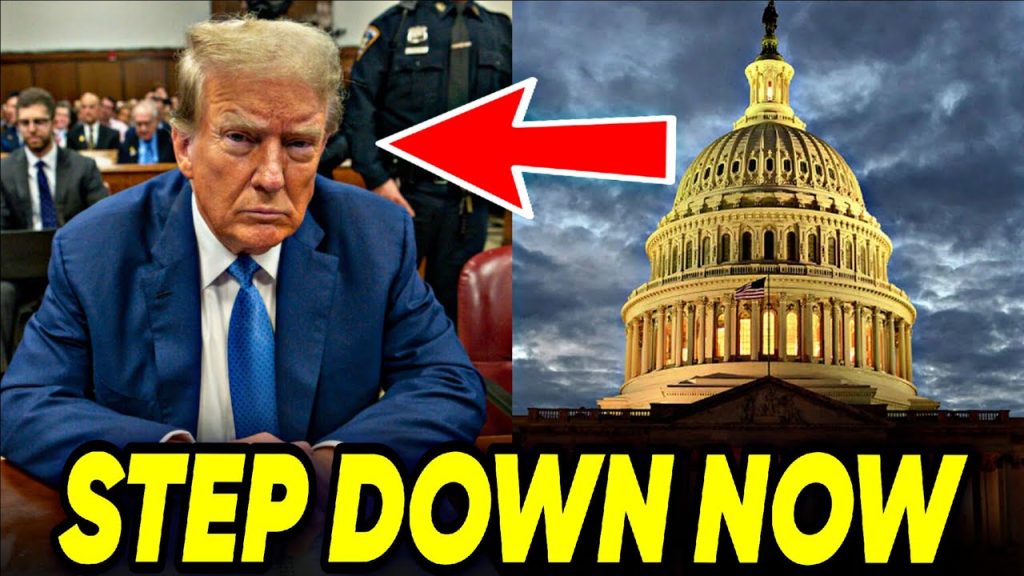
The documents already exist.
Democratic lawmakers have completed and filed articles of impeachment against Donald Trump, not as a response to a singular event, but as a comprehensive indictment of his governing approach. For now, they sit dormant — a legal mechanism paused by one fact alone: Republicans currently control the House of Representatives. If that control shifts after the 2026 midterm elections, the process can begin almost immediately.
This reality has transformed the political calendar. The 2026 midterms are no longer just a referendum on inflation, foreign policy, or the economy. They are shaping up as a proxy vote on whether Trump should face a third impeachment — an unprecedented prospect in American history.
The timeline surfaced publicly, almost by accident, during a recent diplomatic visit abroad. While Mike Johnson was warmly received at the Palace of Westminster to help mark preparations for the 250th anniversary of the Declaration of Independence, lawmakers back home were quietly preparing for a trial, not a celebration. The contrast was striking: outward stability abroad, inward volatility at home.
Trump is acutely aware of the stakes. In private conversations with House Republicans, his tone has reportedly shifted from bravado to blunt realism. He has told allies that if they lose the House in 2026, impeachment is inevitable. “If we don’t win the midterms,” he has said, “they’re going to impeach me.” It is a rare acknowledgment that his presidency is operating on what amounts to a two-year fuse.
What makes this potential impeachment different from Trump’s previous two is scope. The first centered on a single phone call with Ukraine. The second followed the shock of January 6. Both were reactive. The current draft, formally designated H.Res. 353, is an omnibus-style document that lays out seven separate articles addressing what its authors describe as a pattern of conduct rather than an isolated incident.
Among the charges are abuse of power and obstruction of justice — familiar constitutional grounds. But the articles go further, accusing Trump of abusing war powers, violating First Amendment protections, and, most strikingly, engaging in “tyranny.” That word is rarely used in modern congressional filings. Its inclusion signals an argument that Trump has placed himself above the rule of law, operating more like a sovereign than an elected executive.
The strategy is procedural as much as political. Because the articles are already written, there would be no need for months of preliminary investigation if Democrats regain the House. A simple majority could move the articles from committee to the floor within days of the new Congress being sworn in. The effect would be immediate: hearings, testimony, and wall-to-wall coverage that could paralyze the administration.
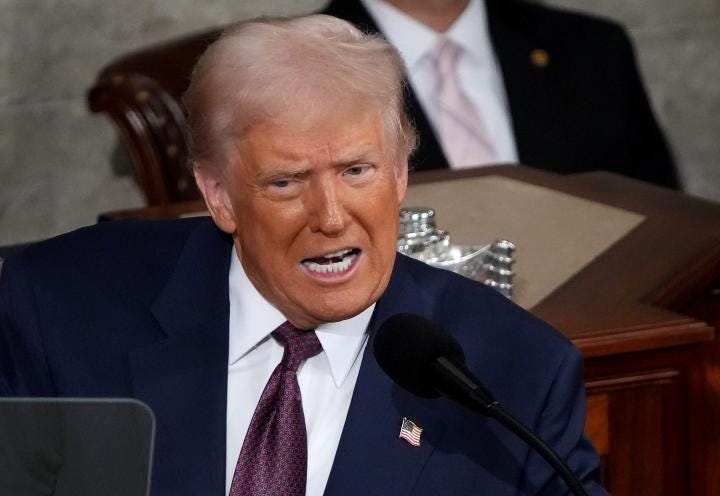
Conviction in the Senate would still require a two-thirds majority — a high bar that has historically protected presidents from removal. Andrew Johnson, Bill Clinton, and Trump himself all survived Senate trials. Only Richard Nixon resigned after concluding that the votes to remove him were there. But even acquittal carries cumulative damage. A third impeachment would brand Trump as a president under constant indictment, complicating governance and eroding political capital.
The possibility of removal adds another layer of instability. If Trump were convicted, the presidency would pass to JD Vance, triggering an abrupt and historically traumatic transfer of power mid-term. Even the prospect of that outcome is enough to intensify the pressure now building inside the Capitol.
Outside Congress, advocacy groups are already mobilizing. Progressive lawmakers have begun openly calling for resignation, while campaigns are framing the midterms as a moral and constitutional reckoning rather than a routine election. The message to voters is unusually explicit: elect a House that will impeach, or one that will shield the president.
For Republicans, this creates a stark incentive structure. Holding the House is no longer about advancing legislation; it is about survival. Losing even a narrow majority could unleash a process that dominates the remainder of Trump’s term. That urgency is shaping fundraising, messaging, and internal party discipline in ways that are already visible.
The paradox of the moment is that Washington appears calm on the surface. Markets are functioning. Diplomacy continues. Ceremonies are planned. Yet the political system is operating under a conditional assumption — that the current balance of power will hold. If it does not, the machinery is ready.
Impeachment is often portrayed as a dramatic rupture. In this case, it is more like a trapdoor: constructed in advance, hidden in plain sight, and triggered by a single electoral shift.
As the country looks ahead to celebrating 250 years of independence, it is also approaching one of the most precarious constitutional tests in modern history. The papers are written. The votes are being counted in advance. And the future of the presidency may hinge not on a scandal yet to come, but on an election already looming.







