Late-Night Television Becomes a Flashpoint in Escalating Free Speech Dispute
President Donald Trump is again at the center of a widening debate over free speech and political power after a recent episode of Jimmy Kimmel Live! drew record viewership and renewed scrutiny of the administration’s relationship with the media.
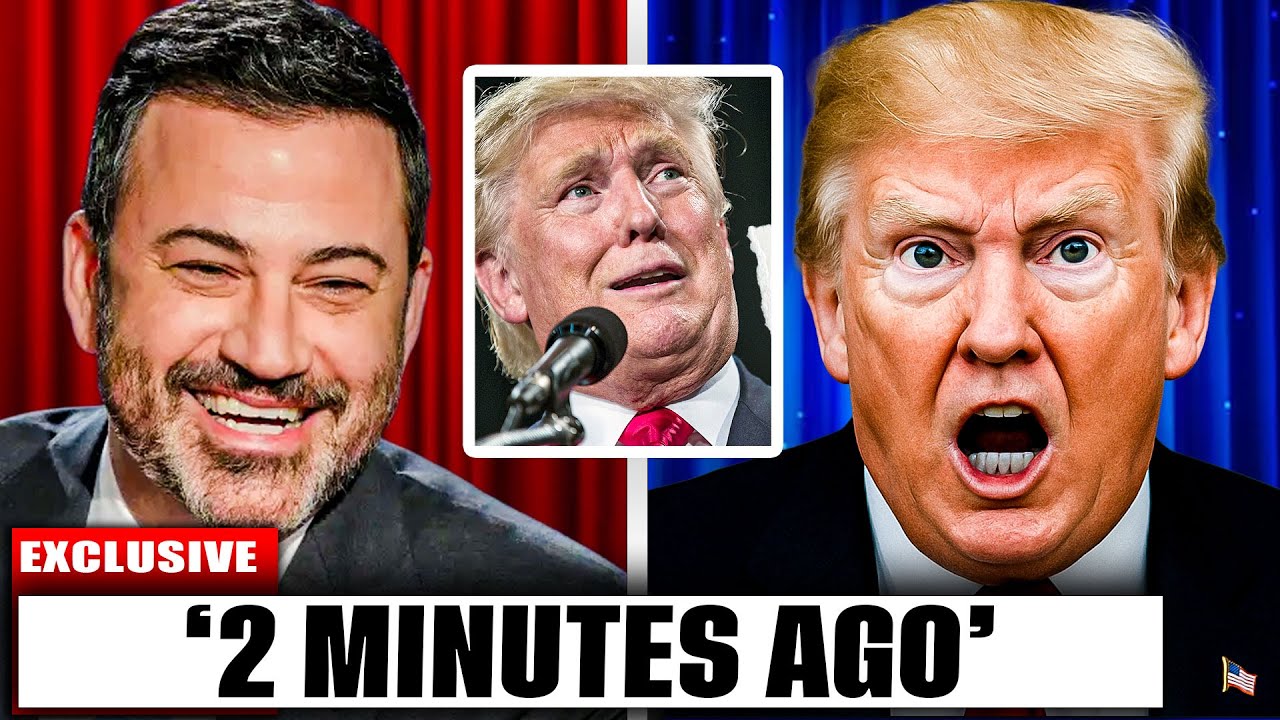
The controversy follows a temporary suspension of the program earlier this month after federal officials criticized host Jimmy Kimmel for remarks related to political violence and misinformation. While no formal sanctions were imposed, statements by senior officials — including Federal Communications Commission Chairman Brendan Carr — warning broadcasters of potential regulatory consequences were widely interpreted by media advocates as an attempt to pressure networks.
ABC paused production of the show for several days, a decision the network did not publicly link to government action. Still, the interruption prompted concern among press freedom groups, who argued that even indirect threats from regulators could chill expression.
When the program returned to the air on September 23, it did so with unusual fanfare. Mr. Kimmel devoted much of the broadcast to a defense of free expression, followed by a satirical segment featuring Robert De Niro, portraying a fictionalized government official. The segment drew sharp parallels between political authority and intimidation, resonating strongly with viewers.
The episode attracted more than six million live television viewers — the highest rating in the show’s history — and tens of millions more online within 24 hours, according to network data and YouTube analytics. Media analysts described the response as extraordinary, particularly given that several large broadcast groups initially declined to air the episode.
In a post on his social media platform, Truth Social, Mr. Trump criticized the program and its host, celebrating the earlier suspension and questioning the show’s relevance. The White House did not directly address whether regulatory agencies had coordinated with networks but reiterated that broadcasters are responsible for maintaining professional standards.
The incident has reignited long-standing debates over the role of satire in political discourse. Late-night comedy has historically played a significant part in American political culture, often serving as both entertainment and critique. Scholars note that conflicts between political leaders and comedians are not new, but the involvement — or perceived involvement — of federal regulators introduces a more complex dynamic.
“This episode illustrates how blurred the line can become between political criticism and governmental pressure,” said a media law professor at Columbia University. “Even absent formal enforcement, the suggestion of consequences can influence editorial decisions.”
For Mr. De Niro, the appearance was consistent with a decade-long pattern of public criticism of Mr. Trump. For Mr. Kimmel, the broadcast marked a clear statement that the show would not retreat from political commentary.
Whether the moment will have lasting consequences remains uncertain. But the episode underscored the continuing tension between political authority and independent media — and demonstrated that, in an era of fragmented audiences, a single televised moment can still command national attention.
As the administration faces ongoing legal, political, and international challenges, the clash with late-night television has become an unexpected but revealing front in the broader debate over power, dissent, and the limits of government influence on speech.






