Supreme Court Rejects Trump’s Bid to Impose Nationwide Voter ID Requirement
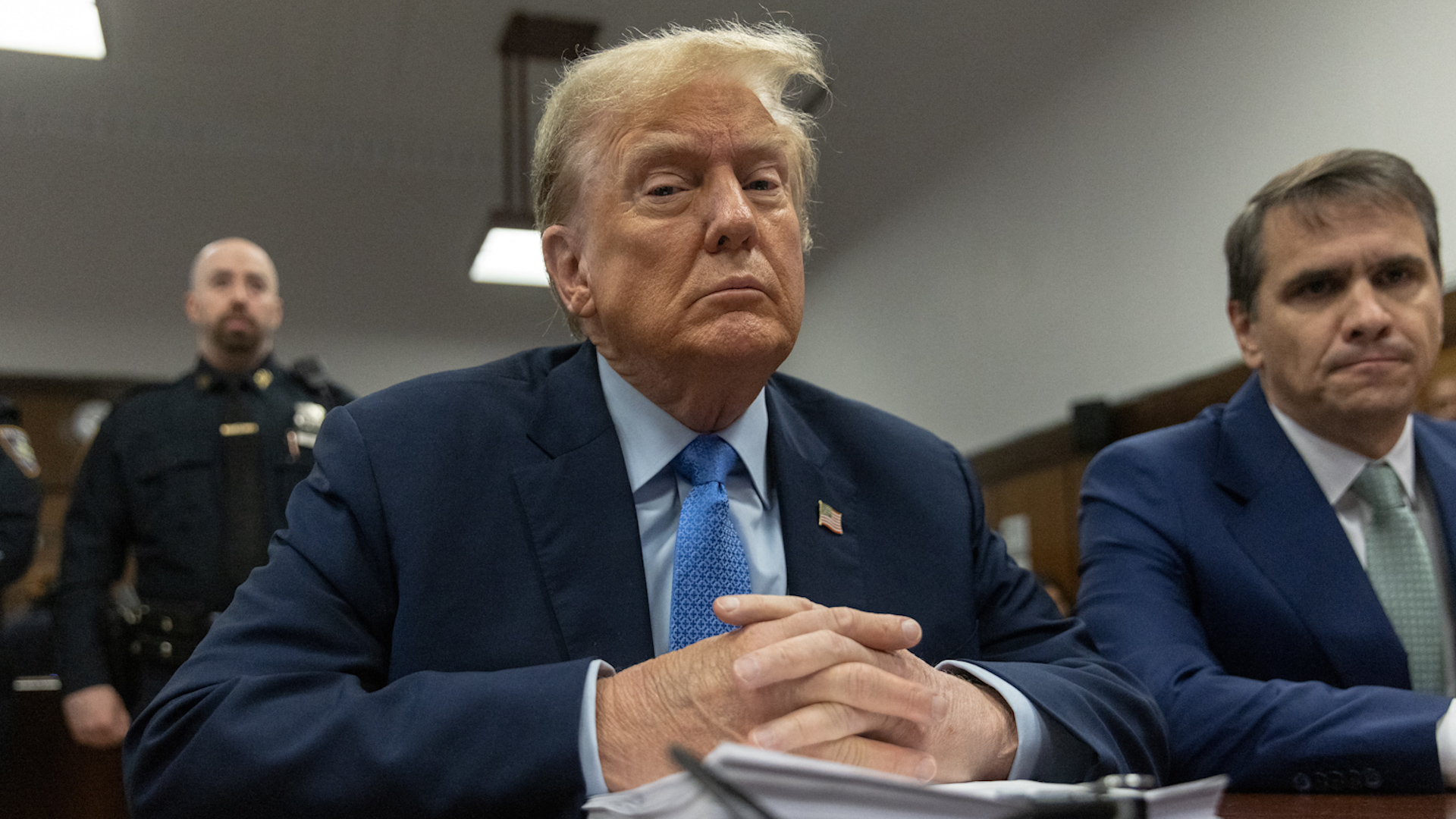
WASHINGTON — The Supreme Court on Monday rejected an attempt by President Donald J. Trump to mandate voter identification requirements at the national level, delivering a decisive rebuke to an expansive view of presidential power and reaffirming that the Constitution grants authority over election administration to Congress and the states — not the executive branch.
The ruling, which came without a lengthy delay and drew immediate reaction across political and legal circles, reinforces long-standing constitutional doctrine governing federal elections. It also represents a significant legal setback for Mr. Trump, who has repeatedly sought to reshape election rules through unilateral executive action since leaving office.
In a brief but forceful decision, the Court concluded that the president lacks the constitutional authority to impose nationwide voting requirements absent legislation passed by Congress. While the justices did not rule on the merits of voter identification laws themselves — a subject of ongoing political debate — they were unequivocal on the separation-of-powers question at the heart of the case.
“The Constitution does not vest the President with unilateral authority to regulate the mechanics of federal elections,” the Court wrote, according to a summary of the decision circulated Monday morning. “Such authority rests with Congress, and with the States, subject to congressional oversight.”
A Clash Over Executive Power
The case arose from an executive directive issued by Mr. Trump that sought to require government-issued photo identification for participation in federal elections nationwide. The directive was framed by Trump allies as a response to what they described as widespread voter fraud — a claim repeatedly rejected by courts, election officials, and independent audits.
Civil rights organizations, Democratic attorneys general, and several state election officials immediately challenged the directive, arguing that it violated the Elections Clause of the Constitution, which assigns primary responsibility for election administration to the states, while granting Congress — not the president — the power to alter or regulate those rules.
Lower courts quickly blocked the policy, setting the stage for Supreme Court review.
Legal scholars across the ideological spectrum had widely predicted the outcome.
“This was never a close constitutional question,” said one prominent election law professor, writing on X (formerly Twitter). “The president simply does not have this power. If the Court had ruled otherwise, it would have upended two centuries of election law.”
The Elections Clause Reaffirmed
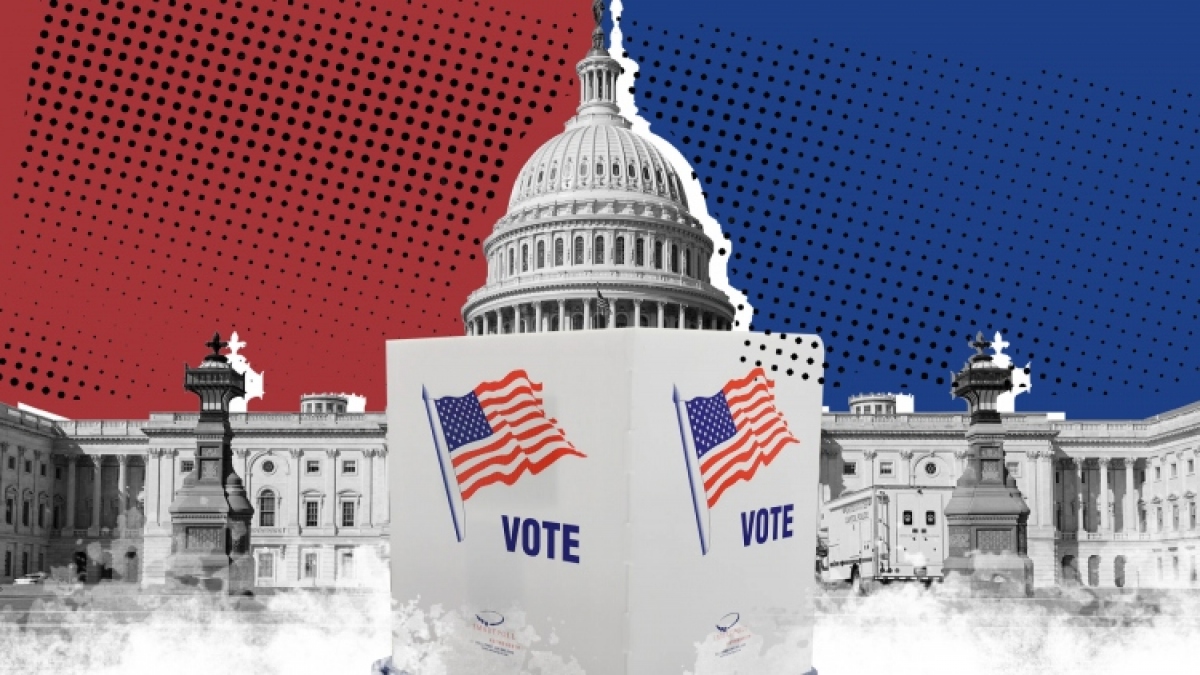
Article I, Section 4 of the Constitution — known as the Elections Clause — provides that states shall determine the “Times, Places and Manner” of holding elections for federal office, while allowing Congress to override or modify those regulations. Notably absent from that provision is any role for the president acting alone.
The Court’s decision echoes earlier rulings emphasizing that election rules must flow through legislative processes, not executive decree. In previous cases, the justices have cautioned against allowing the executive branch to bypass Congress on matters that directly affect democratic participation.
Several justices reportedly expressed concern that allowing a president to impose nationwide voting requirements could set a dangerous precedent, enabling future administrations to alter election rules for partisan advantage.
Political Reaction and Social Media Fallout
Reaction to the ruling was swift and polarized.
Mr. Trump condemned the decision in a series of posts on Truth Social, calling it “another disgraceful ruling” and repeating claims that voter ID laws are “common sense” and “universally popular.” He accused the Court of “hiding behind technicalities” and suggested, without evidence, that the ruling benefited Democrats.
“These justices know voter ID is right,” he wrote. “But they don’t have the courage to stand up for election integrity.”
By contrast, Democratic leaders and voting rights advocates hailed the decision as a critical defense of constitutional order.
“This ruling protects the foundation of our democracy,” Representative Hakeem Jeffries, the House Democratic leader, wrote on X. “No president — Republican or Democrat — gets to rewrite election law by fiat.”
Civil rights groups echoed that sentiment, emphasizing that while voter ID laws remain a live issue at the state level, any national policy must come through Congress.
“The Supreme Court made clear what has always been true,” said the president of a major voting rights organization in a statement shared widely on Instagram and Threads. “The president is not a king, and our elections are not his to control.”
A Familiar Strategy, a Familiar Outcome
The decision fits a broader pattern in Mr. Trump’s post-presidency legal efforts, many of which have sought to stretch executive authority beyond its traditional limits. From attempts to influence state election certification to claims of sweeping presidential immunity, Trump-aligned legal theories have repeatedly met resistance from courts.
Notably, the Court’s ruling comes amid heightened public attention to questions of democratic governance and institutional stability. Legal analysts on cable news and social media described the decision as part of a larger judicial effort to draw firm boundaries around presidential power.
“This isn’t about voter ID,” one former federal judge said during a televised panel discussion that circulated widely on YouTube and TikTok. “It’s about whether we still live under a Constitution where laws are made by legislatures, not by one person.”
What the Ruling Does — and Does Not — Do
The Court’s decision does not invalidate existing voter ID laws enacted by states, nor does it prevent Congress from passing a national voter ID requirement if it chooses to do so. Instead, it draws a clear line: election regulation must follow constitutional channels.
Republican-controlled states are expected to continue defending their voter ID laws, many of which remain in effect and have been upheld by courts when properly enacted through state legislatures. At the same time, Democrats are likely to cite the ruling as evidence that election integrity arguments cannot justify executive overreach.
For now, the decision appears to close the door on presidential efforts to unilaterally reshape the electoral landscape — a door the Court signaled it is unwilling to reopen.
As one constitutional scholar put it in a widely shared Substack post: “The Supreme Court didn’t choose sides in the voter ID debate. It chose the Constitution.”