In a stunning political rupture that has sent shockwaves through North American relations, Prime Minister Mark Carney delivered a defiant declaration that has left Washington reeling: Canada does not live because of the United States. Speaking directly in response to President Donald Trump’s provocative claim at the World Economic Forum in Davos, Carney asserted with unyielding clarity that “Canada thrives because we are Canadian.” This explosive exchange, unfolding over mere days in January 2026, has ignited a full-blown crisis in bilateral ties, exposing deep fractures in the once-ironclad U.S.-Canada partnership and raising alarms about the future of a $800 billion trade relationship that underpins both economies.
A Direct Rebuke on the Global Stage
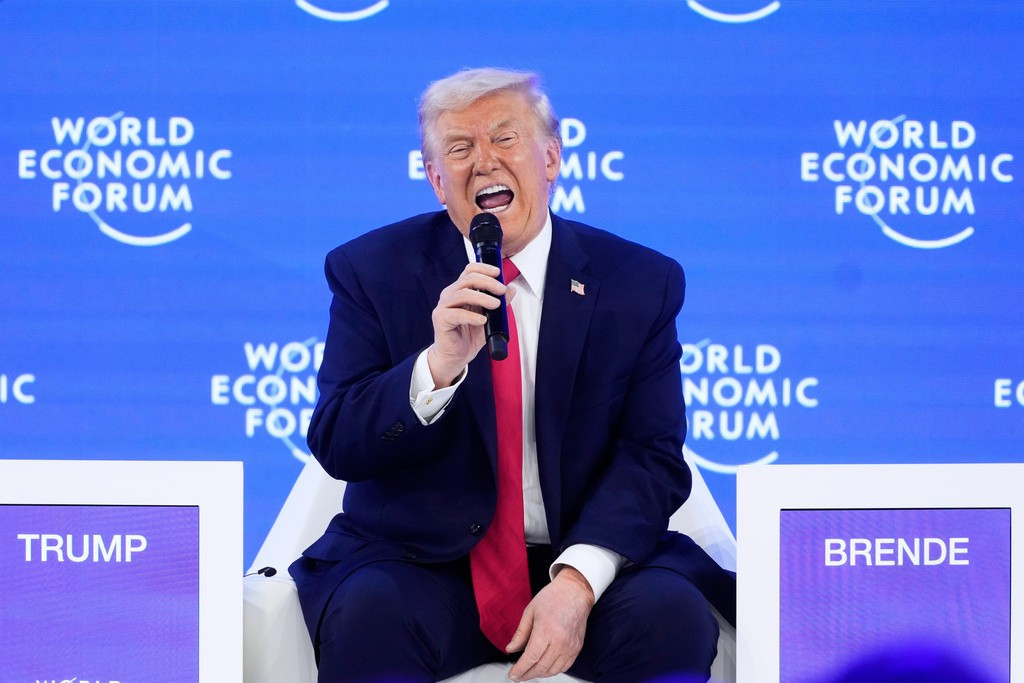
The confrontation began at Davos, where Trump, addressing the elite gathering, dismissed Carney’s earlier speech as ungrateful and insisted that Canada “lives because of the United States.” He accused Ottawa of receiving “freebies” from American protection and demanded gratitude, framing the relationship as one of dependence rather than equals. Trump’s words, laced with condescension, referenced military safeguards like NORAD and implied Canada’s prosperity hinged on U.S. benevolence.
Carney wasted no time in firing back. Returning home, he spoke forcefully in Quebec City ahead of a cabinet retreat, rejecting any notion of subordination. “Canada and the United States have built a remarkable partnership in the economy, in security, and in rich cultural exchange,” he said. “But Canada doesn’t live because of the United States. Canada thrives because we are Canadian.” The statement, delivered without diplomatic softening, emphasized Canada’s self-reliance, its history of nation-building—from transcontinental railways to a world-admired health care system—and its commitment to values like diversity, openness, and resilience in an era of rising authoritarianism.
This was no mere rhetorical flourish. Carney positioned Canada as a “bastion” of stability and a “beacon” for the world, signaling a strategic pivot toward greater independence. He highlighted ambitious plans: doubling defense spending by decade’s end, removing interprovincial trade barriers, catalyzing hundreds of billions in investments, and advancing leadership in AI, quantum computing, cyber, and critical minerals. The message was unmistakable: Canada would no longer tolerate being spoken down to.
Economic Stakes and the Shadow of Dependency
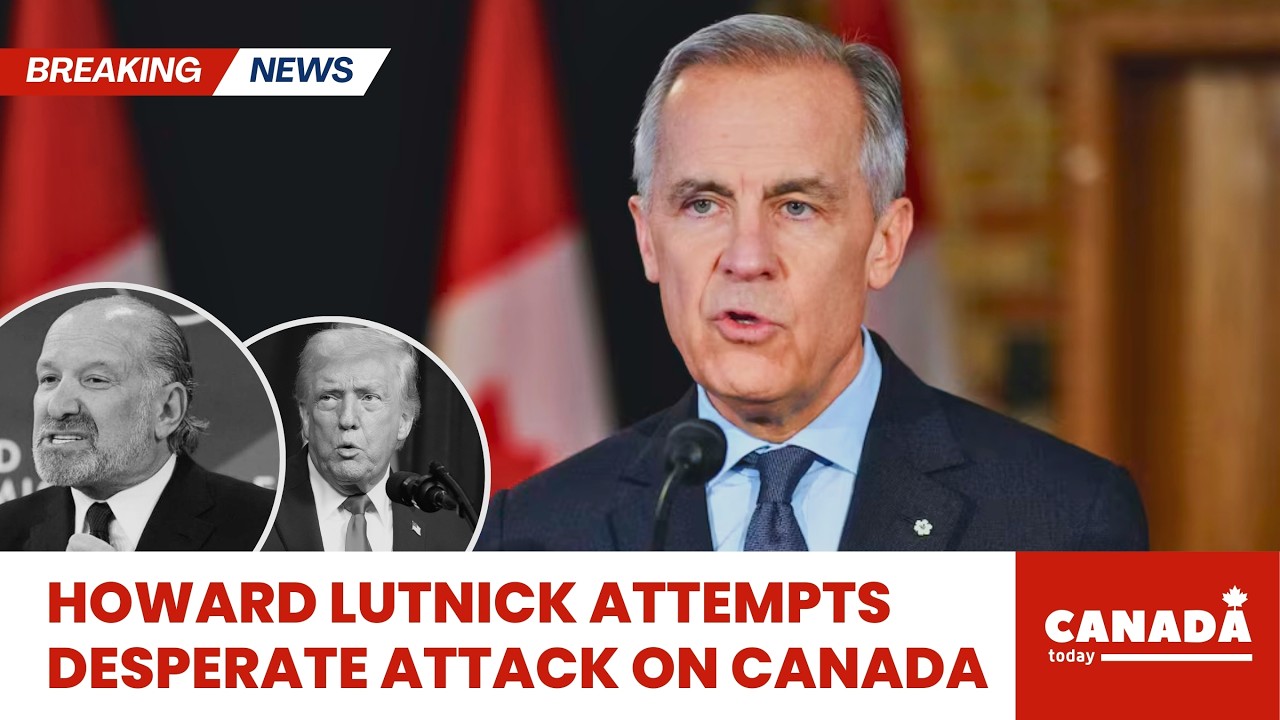
At the heart of the drama lies the staggering scale of U.S.-Canada trade, valued at approximately $800 billion annually in goods and services. Canada remains America’s top export market, while the U.S. is Canada’s dominant partner. Yet Trump’s framing of dependency has amplified fears of leverage plays, especially with the looming USMCA review. American officials, including Commerce Secretary Howard Lutnick, have warned of consequences if Canada pursues closer ties with China—threatening electric vehicle imports and market access that could disrupt supply chains.
The fallout has been swift and chaotic. U.S. industries reliant on Canadian resources—from energy to metals—face uncertainty, while Canadian businesses brace for potential retaliatory measures. Washington’s leverage, long taken for granted, appears eroding as Canada diversifies partnerships beyond the single dominant neighbor. This shift terrifies those accustomed to unchallenged influence, turning intimidation into a desperate tool when quiet pressure fails.
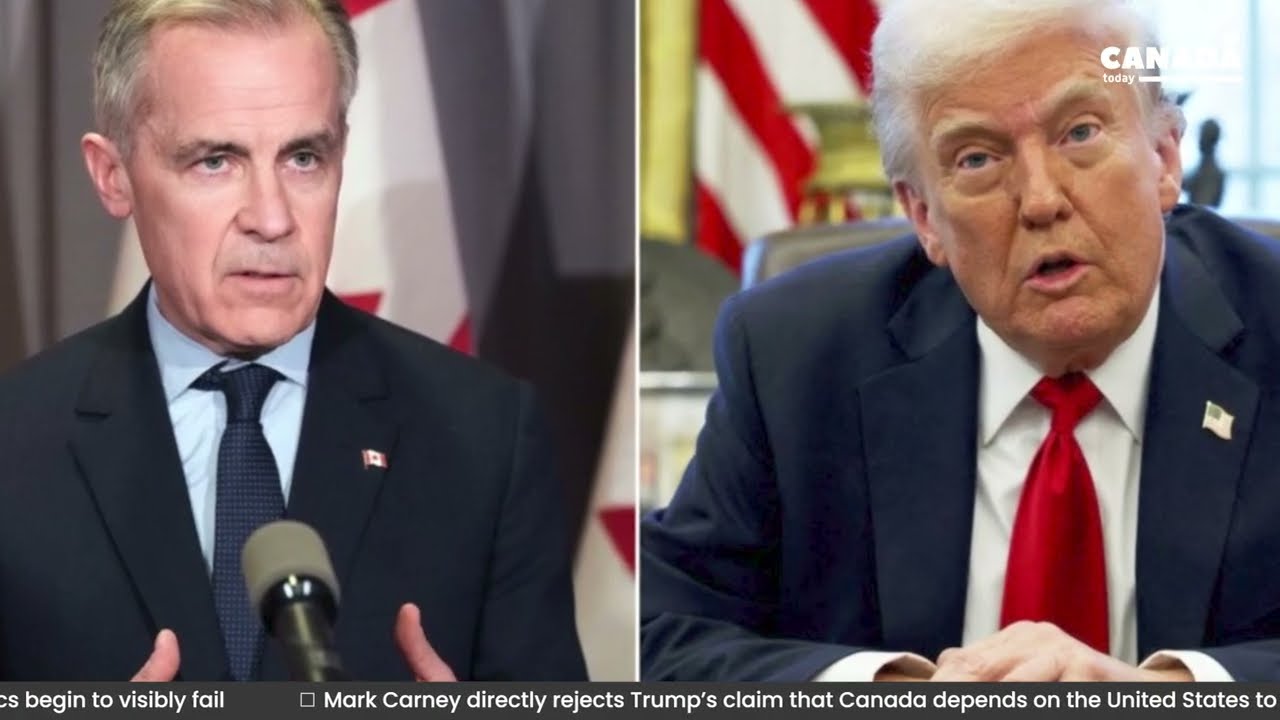
Trump, caught off guard by the backlash, escalated with personal jabs, even withdrawing an invitation for Carney to join his proposed “Board of Peace” initiative. The episode underscores a broader rupture: the end of an era where middle powers like Canada quietly adjusted to American expectations. Carney’s vision rejects hierarchy, insisting on sovereignty chosen on Canadian terms.
A New Era of Assertion
Carney’s words have resonated far beyond North America, earning praise as a bold stand against coercion in a fracturing global order. In Quebec City, he spoke of defending dignity, values, and independence amid rising populism and walls. Canada, he argued, must show that pluralism, democracy, and openness can endure—not as dependence, but as strength.
The crisis highlights a profound realignment. As threats lose potency against a nation no longer seeking permission, the old dynamic crumbles. Carney has reminded the world of Canada’s worth, transforming a personal slight into a declaration of maturity. The partnership endures, but the days of condescension are over. What emerges next—renewed cooperation or deepened division—remains perilously uncertain in this volatile chapter of transatlantic relations.






