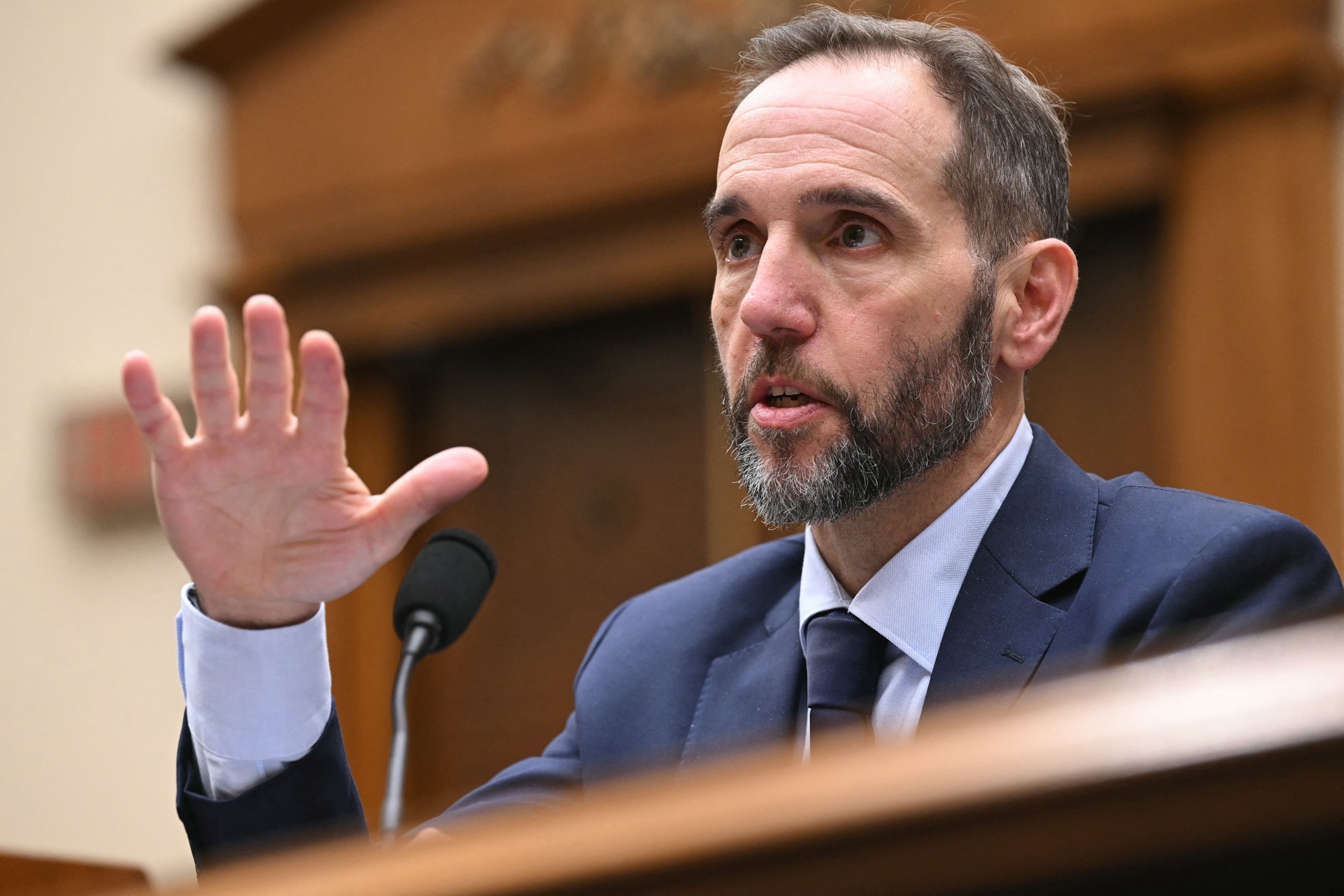
Washington — In a rare and closely watched appearance before Congress, Special Counsel Jack Smith used his testimony this week to deliver a methodical defense of the investigations that have placed him at the center of America’s most volatile political and legal debates. Calm, precise, and at times pointed, Mr. Smith rejected accusations of political bias and framed his work as a test not only of legal accountability but of public trust in the justice system itself.
The hearing, which unfolded over several hours, drew intense scrutiny from lawmakers, cable news networks, and millions of viewers online. Clips circulated widely across X (formerly Twitter), YouTube, TikTok, and Facebook, where reactions reflected a sharply polarized nation: some praised Mr. Smith’s restraint and professionalism, while others questioned the scope and motivations of his office.
At the core of Mr. Smith’s testimony were seven themes that together offered the clearest articulation yet of how he views the role of a special counsel in an era of unprecedented political pressure.
A Claim of Absolute Objectivity
From his opening remarks, Mr. Smith emphasized that his investigations were grounded solely in facts and law, not political identity. “The work of my office is guided by evidence,” he told lawmakers, “not by party affiliation, public opinion, or the identity of the individual under scrutiny.”
That assertion appeared aimed at critics—particularly Republican lawmakers and conservative commentators—who have repeatedly characterized the investigations as politically motivated. On conservative social media platforms, hashtags questioning Mr. Smith’s neutrality trended during the hearing, while liberal commentators on MSNBC and progressive digital outlets framed his remarks as a necessary reaffirmation of legal norms.
Independence From the Justice Department

A central point of the testimony was Mr. Smith’s insistence that the special counsel’s office operates independently from the Department of Justice. He explained that while the office exists within the department structurally, its decisions are insulated from political leadership, including the attorney general.
Legal analysts noted that this distinction is often misunderstood by the public. On CNN and in widely shared explainer threads on X, former federal prosecutors pointed out that the special counsel regulations were designed precisely to prevent political interference in sensitive investigations—particularly those involving high-level government officials.
Integrity and Due Process
Throughout the hearing, Mr. Smith repeatedly returned to the concept of integrity. He described internal procedures, layers of review, and adherence to established prosecutorial standards as safeguards against overreach.
“We do not rush,” he said at one point. “We follow the law wherever it leads, and we respect the rights of all individuals involved.”
That emphasis resonated with many legal scholars, who noted online that the measured pace of the investigations has itself become a source of criticism—from both sides of the political spectrum. On Reddit and legal podcasts, commentators observed that the demand for speed often conflicts with the complexity of the cases under review.
Rejecting Claims of Political Targeting
Pressed by lawmakers about accusations that his office was selectively targeting individuals aligned with one political party, Mr. Smith responded bluntly: “The law applies equally. That principle is non-negotiable.”
This moment quickly became one of the most shared clips of the hearing. Progressive commentators highlighted it as a rebuttal to claims of a “weaponized” justice system, while conservative influencers questioned whether equal application was truly possible in such a charged environment.
Transparency—With Limits
Mr. Smith acknowledged the tension between transparency and prosecutorial responsibility. While he pledged to keep Congress informed where appropriate, he made clear that ongoing investigations limit what can be publicly disclosed.
This cautious stance drew mixed reactions online. Some viewers expressed frustration, arguing that the public deserves more immediate answers. Others, including former judges commenting on legal-focused YouTube channels, defended the approach as essential to preserving the integrity of future proceedings.
Complexity of the Legal Questions
Another recurring theme was complexity. Mr. Smith emphasized that the matters under investigation involve novel legal issues, constitutional questions, and untested applications of federal law.
On platforms like TikTok, legal educators broke down these points for younger audiences, explaining why cases involving executive power and election-related conduct move more slowly than conventional prosecutions. These videos garnered millions of views, suggesting a growing public appetite for legal context rather than political sound bites.
Public Trust as the Ultimate Stake
Perhaps the most consequential portion of the testimony came when Mr. Smith framed his work as a defense of institutional legitimacy. “Public confidence in the justice system,” he said, “is essential to the rule of law.”
That statement echoed across editorial pages and social media alike. Some commentators argued that the investigations themselves have already strained trust, while others countered that failing to pursue them would have caused even greater damage.
A Hearing That Reflects a Divided Nation
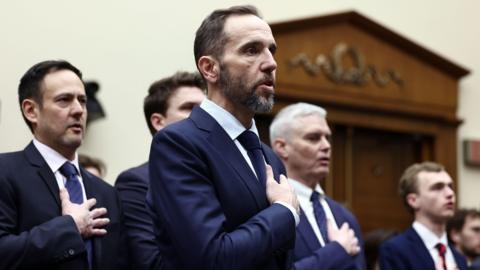
The congressional hearing underscored not only the stakes of the investigations but the broader crisis of confidence facing American institutions. In online comment sections and live chats, viewers debated not just Mr. Smith’s credibility, but the role of law enforcement, the courts, and Congress in a polarized democracy.
What was striking, however, was Mr. Smith’s refusal to engage in political theater. He did not raise his voice, speculate, or personalize criticism. Instead, he returned repeatedly to process, precedent, and principle.
Whether that approach will persuade skeptics remains uncertain. But for now, the testimony stands as the most comprehensive public explanation yet of how the special counsel sees his mandate—and why, in his view, it matters beyond any single case.
As the investigations continue, so too will the scrutiny. And as the hearing made clear, the outcome will shape not only legal accountability, but the public’s faith in the rule of law itself.






