A Late-Night Confrontation Rekindles Debate Over Power, Satire, and Free Expression
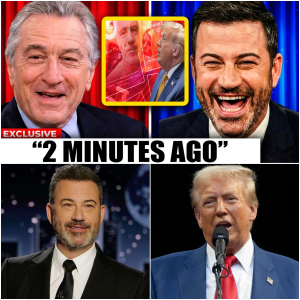
A recent episode of Jimmy Kimmel Live! has become a flashpoint in the ongoing debate over political power, media independence, and the limits of satire, after host Jimmy Kimmel welcomed actor Robert De Niro for a segment sharply critical of former President Donald Trump.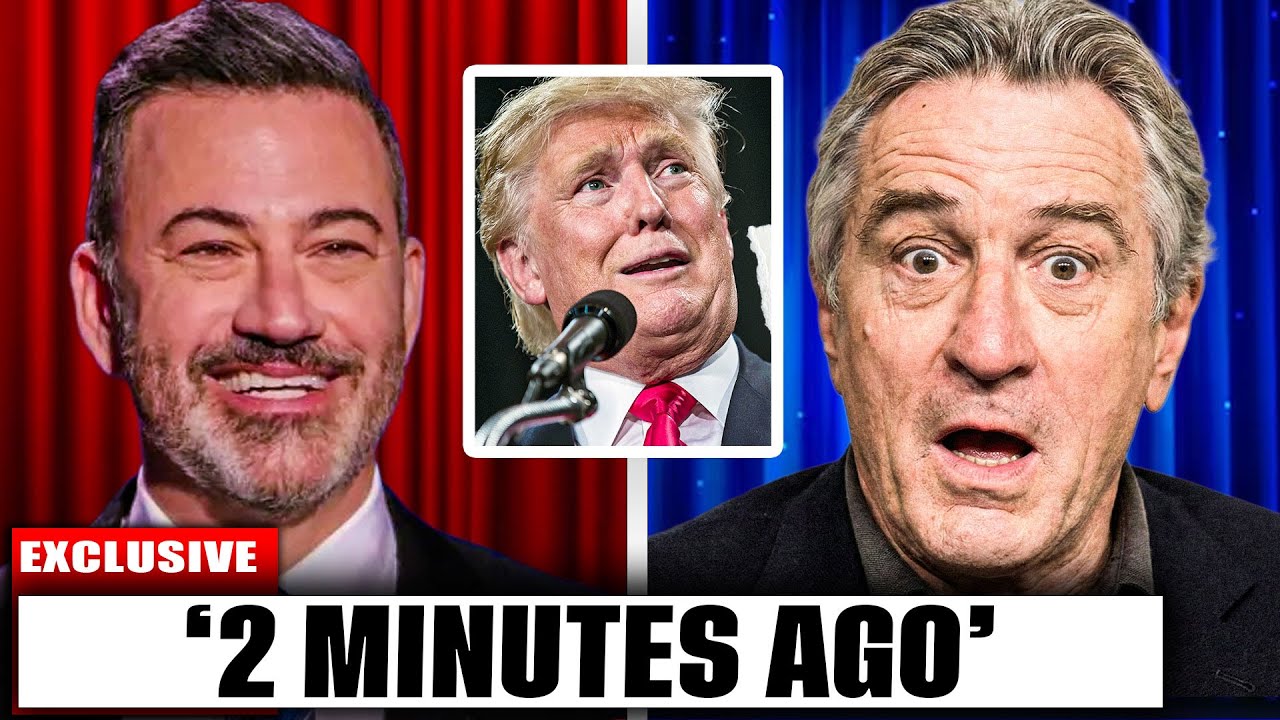
The broadcast aired just days after Mr. Kimmel’s program had been temporarily suspended on several ABC affiliates following his criticism of politicians who, he argued, were politicizing the murder of conservative activist Charlie Kirk before investigators had released definitive findings. The suspension itself had already drawn scrutiny from press-freedom advocates, particularly after comments by Brendan Carr, the chairman of the Federal Communications Commission, suggested that ABC and its parent company could face regulatory consequences.
When Jimmy Kimmel Live! returned to the air, the tone was markedly defiant. Mr. Kimmel opened with an extended monologue defending the role of satire in a democracy and warning against what he described as intimidation of critical voices. The episode’s centerpiece was a sketch featuring Mr. De Niro, who portrayed a caricature of a powerful regulator enforcing speech through threat rather than law.
While framed as comedy, the segment carried an unmistakably political message. Mr. De Niro, a longtime critic of Mr. Trump, used the performance to underscore concerns that government pressure — even without formal enforcement — can have a chilling effect on broadcasters. The audience reaction was immediate and intense, and viewership numbers surged. According to network data and third-party analytics, the episode became the most-watched regular installment of Jimmy Kimmel Live! in its history, with millions more viewing clips online within 24 hours.
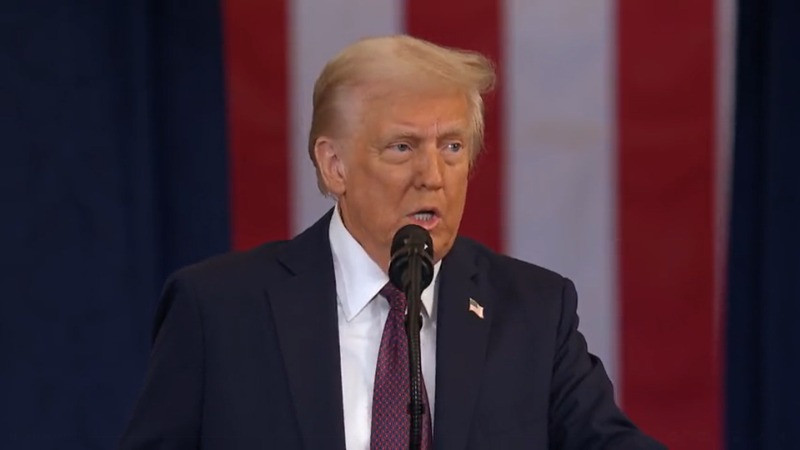
Mr. Trump responded forcefully on social media, celebrating the earlier suspension of the show and attacking both Mr. Kimmel and Mr. De Niro personally. The posts extended a pattern that critics say reflects hostility toward dissenting voices in entertainment and journalism. Supporters of the former president, however, argued that the episode demonstrated bias in late-night television and dismissed the free-speech concerns as exaggerated.
The controversy also revived attention to remarks made earlier this year by Vice President J.D. Vance at the Munich Security Conference, where he accused previous administrations of suppressing dissent and pledged that a Trump-led government would do “precisely the opposite.” Those comments resurfaced widely online, juxtaposed with the FCC chairman’s warnings and the temporary silencing of a prominent television host.
Legal experts and civil liberties organizations emphasized that the episode’s significance lies less in the comedy itself than in the precedent it suggests. Even absent direct censorship, they argue, regulatory pressure from government officials can influence editorial decisions in ways that undermine the independence of the press.
For Mr. Kimmel, the moment marked a turning point. Rather than retreat, he used his return to amplify concerns about intimidation and accountability, transforming a late-night comedy show into a broader commentary on democratic norms.
Whether the episode will have lasting consequences for broadcasters or regulators remains unclear. What is evident is that a collision between entertainment and politics has once again forced a national conversation — not only about a former president’s conduct, but about how much space remains for dissent, satire, and criticism in American public life.