In a heart-stopping escalation that’s rocking global markets, Canada and Mexico have forged a powerhouse bilateral alliance that’s delivering a knockout blow to U.S. economic hegemony amid Trump’s relentless tariff onslaught. As the USMCA faces its critical 2026 review, Prime Minister Mark Carney and President Claudia Sheinbaum have elevated ties to a Comprehensive Strategic Partnership, complete with the Canada-Mexico Action Plan 2025-2028. This coordinates on trade, energy, security, and investments to counter Washington’s unpredictability. Trump’s 25% tariffs on Canadian and Mexican goods—imposed in 2025 over fentanyl and migration issues—have backfired catastrophically, pushing allies into each other’s arms and threatening to fracture North America’s $1.8 trillion integrated economy.
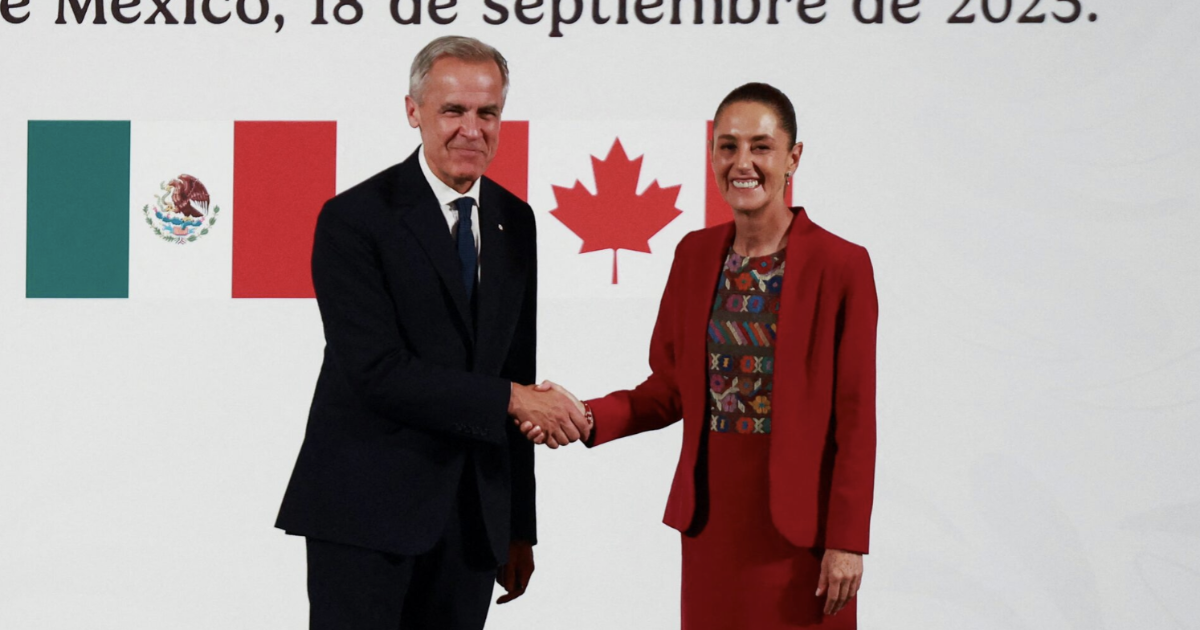
The alliance ignited dramatically in September 2025 when Carney visited Mexico City, announcing deeper cooperation in ports, railways, aerospace, and energy alongside Sheinbaum. Overnight, this pivot has redirected billions in potential trade flows, with Canadian exports hit hard by U.S. duties finding new momentum south of the border. Mexican exports to the U.S. have held stronger, but joint strategies now include coordinated positions for the looming USMCA renegotiations. This unites Canada and Mexico in defending the pact’s core while exploiting loopholes to build resilience. U.S. industries—from autos to agriculture—reel as supply chains teeter, with fears of fragmented North American production sending stocks plunging.
Trump’s furious threats to scrap or radically renegotiate the USMCA have only accelerated the shift, with insider sources revealing secret clauses in the new Canada-Mexico plan designed to maximize leverage in trilateral talks. European and Asian investors eye the vacuum, while critical minerals and manufacturing deals bypass U.S. dominance. Canada’s push for diversification and Mexico’s de-escalation tactics have morphed into a united front, leaving American negotiators scrambling as midterm pressures mount ahead of 2026.
At the core of this rupture are Trump’s protectionist barrages, which slapped tariffs on steel, aluminum, autos, and more, violating USMCA spirits and prompting retaliatory whispers. Canada and Mexico, once reliant on U.S. markets, now boast surging bilateral trade valued at over $56 billion in 2024, with plans for massive missions in 2026 to seal deals. Joint commitments on border security and organized crime—issues Trump weaponized—ironically strengthen their bond while exposing U.S. isolation.
This high-stakes drama underscores a seismic realignment: nations derisking from volatile U.S. policies by forging independent paths. With the FIFA World Cup 2026 co-hosting as a backdrop, Carney and Sheinbaum’s partnership isn’t just economic—it’s a geopolitical masterstroke boosting North American competitiveness minus Washington’s chaos. U.S. businesses plead for stability in hearings, but Trump’s team floats bilateral splits that could doom regional integration.
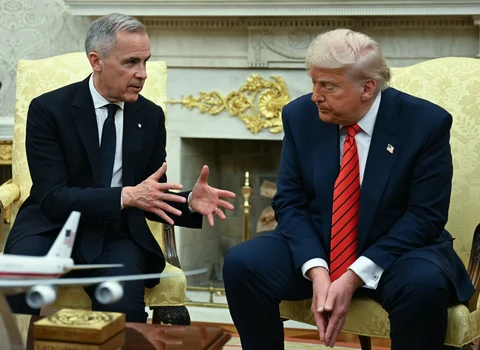
As January 2026 dawns with the USMCA review process intensifying, public consultations reveal deep divisions: American stakeholders demand tougher enforcement on labor and environment while fearing total collapse if Trump walks away. Carney and Sheinbaum, fresh from high-level meetings, double down on unity, coordinating defenses against potential U.S. demands for higher regional content rules or energy concessions that could favor Washington exclusively.
The hidden power play intensifies in sustainability and security pillars of their Action Plan, where joint initiatives on climate action and border threats sideline U.S. input, redirecting green investments and tech transfers directly between Ottawa and Mexico City. This stealthy rerouting starves American firms of opportunities, accelerating a brain drain of innovation southward and leaving Trump raging over lost influence in critical sectors like EVs and critical minerals.
With July 2026 looming as the decisive showdown, insiders whisper of contingency plans—if Trump pushes too far, Canada and Mexico could trigger fallback bilateral deals, potentially dooming trilateral integration and sparking a full-blown North American trade fracture. The clock ticks relentlessly: will Trump’s isolationism force a humiliating backpedal, or will this alliance permanently redraw the economic map, crowning a new era of U.S. decline? The explosive fallout could redefine global power balances forever.






