In September 2025, an unusual alliance between a late-night comedian and a United States senator placed questions of free speech and government power squarely into the national spotlight. What began as a political monologue on Jimmy Kimmel Live! quickly escalated into a broader confrontation involving Donald Trump, major media corporations, and the federal government—raising concerns about the boundaries between political criticism and censorship.
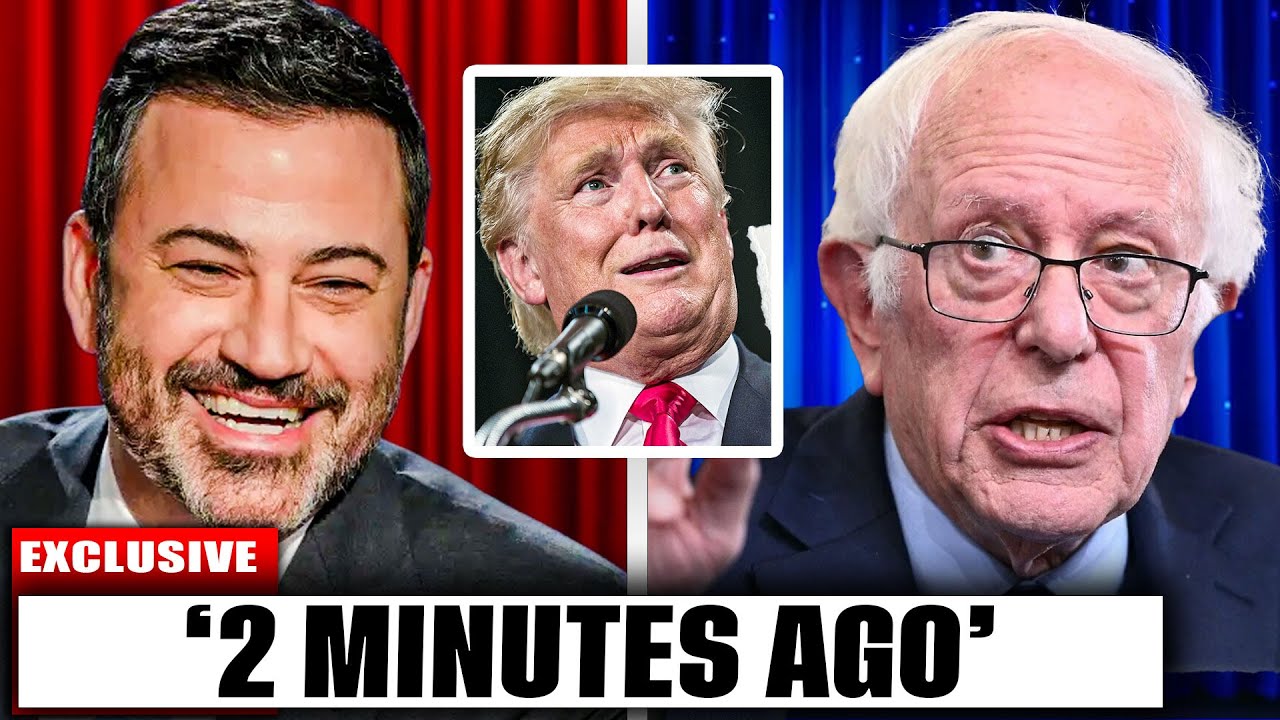
The episode followed remarks by Mr. Trump that derided critics and dismissed political opponents as intellectually inferior. Such language was not new, but the response this time was. Jimmy Kimmel, long known for satire aimed at public figures across the political spectrum, devoted a segment to examining how claims of authority and intelligence are used rhetorically to silence dissent. The tone was notably restrained. Rather than personal attacks, Mr. Kimmel relied on contrast—placing presidential statements alongside public records and inviting viewers to draw their own conclusions.
The situation intensified when reports surfaced that government officials had privately pressured ABC’s parent company, Disney, following the broadcast. Within days, “Jimmy Kimmel Live!” was temporarily suspended in several markets, a move that critics described as capitulation to political influence. Mr. Trump publicly celebrated the decision on social media, framing it as a victory over what he characterized as hostile media.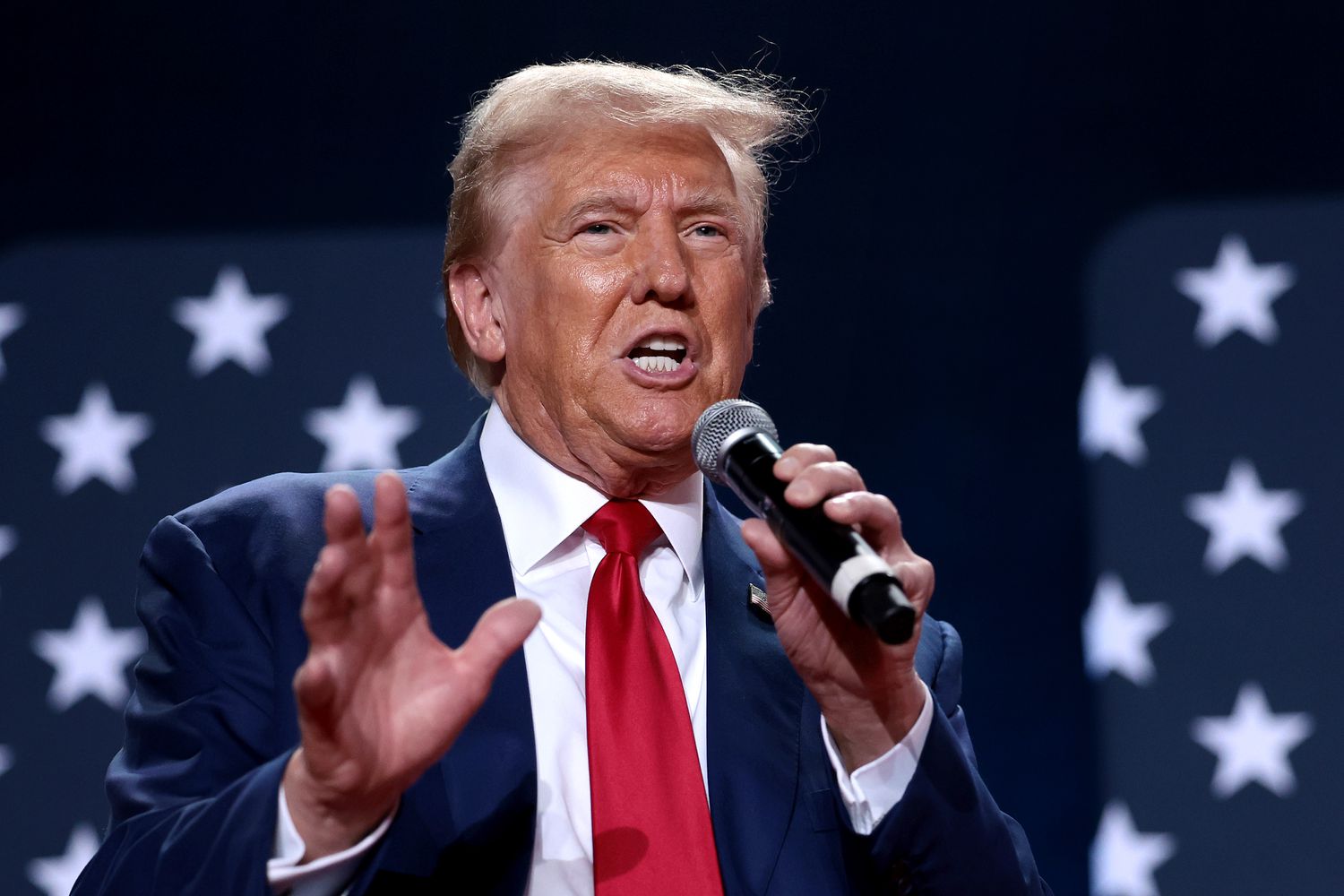
The reaction from Capitol Hill was swift. Bernie Sanders, the independent senator from Vermont, emerged as one of the most vocal defenders of the program. In interviews and a formal letter to broadcast executives, Mr. Sanders argued that the ability to criticize or mock the president is a defining feature of American democracy. He warned that when corporations restrict speech in response to government pressure, the result resembles practices more commonly associated with authoritarian systems.
“This is not about one comedian,” Mr. Sanders said in a televised appearance. “It is about whether political power can be used to intimidate media organizations into silence.” His letter pointedly noted that broadcasters operate under a public-interest obligation and should not allow regulatory leverage to shape editorial decisions.
Public response echoed those concerns. Protests were organized outside media offices, advertisers questioned the suspension, and clips of Mr. Kimmel’s monologue circulated widely online. Within days, ABC announced the show’s return, though some local affiliates continued to preempt it, citing business considerations. The partial restoration underscored the complexity of modern media ecosystems, where corporate consolidation and regulatory approval can create subtle incentives to avoid political risk.
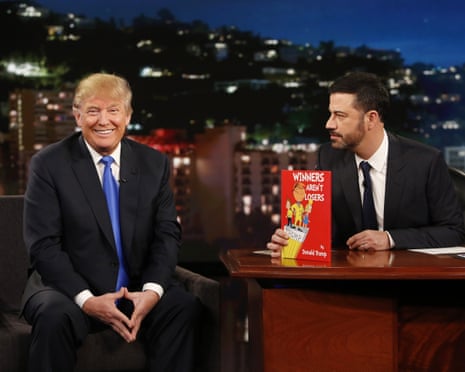
The episode illustrates a recurring tension in American public life: the collision between political power, corporate media, and free expression. Late-night comedy, once viewed primarily as entertainment, has increasingly become a forum for political accountability—precisely because it reaches audiences beyond traditional news consumers.
What made this moment distinct was not the sharpness of the jokes, but the institutional response. A temporary blackout, a senator’s intervention, and a national debate followed a single television segment. In that sense, the controversy served as a stress test for democratic norms, revealing both their vulnerability and their resilience.
As Mr. Sanders observed, democracies are not defined by comfort with praise, but by tolerance for criticism. The rapid public pushback and the show’s reinstatement suggested that, at least this time, the pressure of public opinion proved stronger than the impulse to silence. Whether that balance holds in the future remains an open question—but the episode made clear that even a comedy show can become a frontline in the debate over free speech in America.






