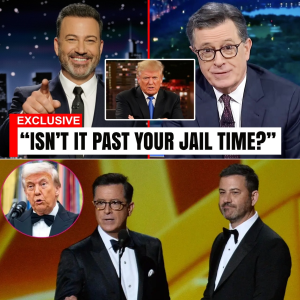
Late-night television rarely alters the political conversation through silence. Yet one recent segment featuring Jimmy Kimmel demonstrated how restraint, rather than ridicule, can become a powerful form of scrutiny. The moment unfolded not through a sharp punchline, but through a careful juxtaposition of words and evidence—allowing a long-standing public persona to be tested against the record.
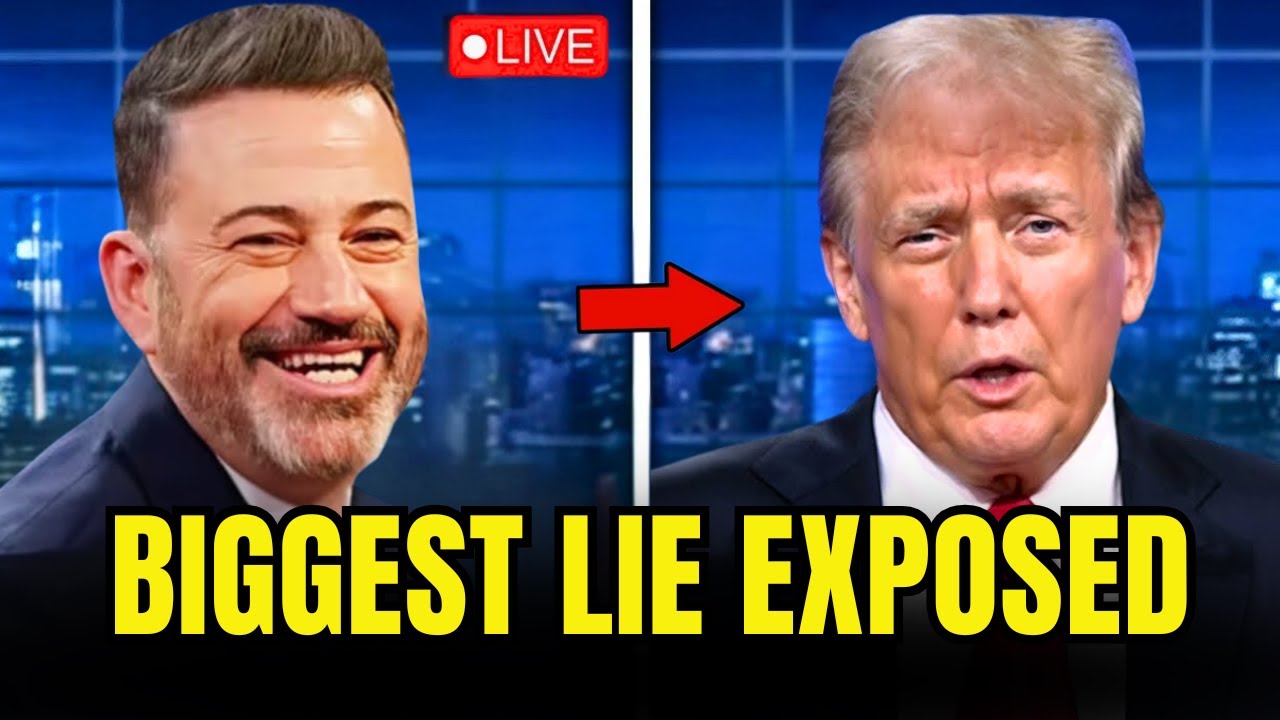
The segment opened with familiar footage of Donald Trump at a rally, confidently asserting that he possessed unmatched knowledge across subjects ranging from the economy to science and national security. Such declarations have been a hallmark of Mr. Trump’s public rhetoric for years, reinforcing an image of singular competence and authority. The crowd responded as expected, cheering declarations framed as certainty.
Back in the studio, Mr. Kimmel did something unusual. He did not immediately counter the claim or undercut it with humor. Instead, he paused. Then, calmly, he proposed a test—not of intelligence, but of consistency. What followed was a series of short, unembellished clips: Mr. Trump claiming expertise beyond that of generals, suggesting unfounded health effects from renewable energy, or describing physical exercise in scientifically inaccurate terms. Each clip ended without commentary, giving viewers space to recognize the pattern forming on their own.
The laughter that initially filled the studio softened into something closer to recognition. Mr. Kimmel’s approach was methodical. He did not argue that being wrong is disqualifying—an important distinction—but that repeatedly insisting on superior knowledge while dismissing expertise creates a credibility problem. “If you truly know more than everyone else,” he observed, “you don’t need to keep saying it.”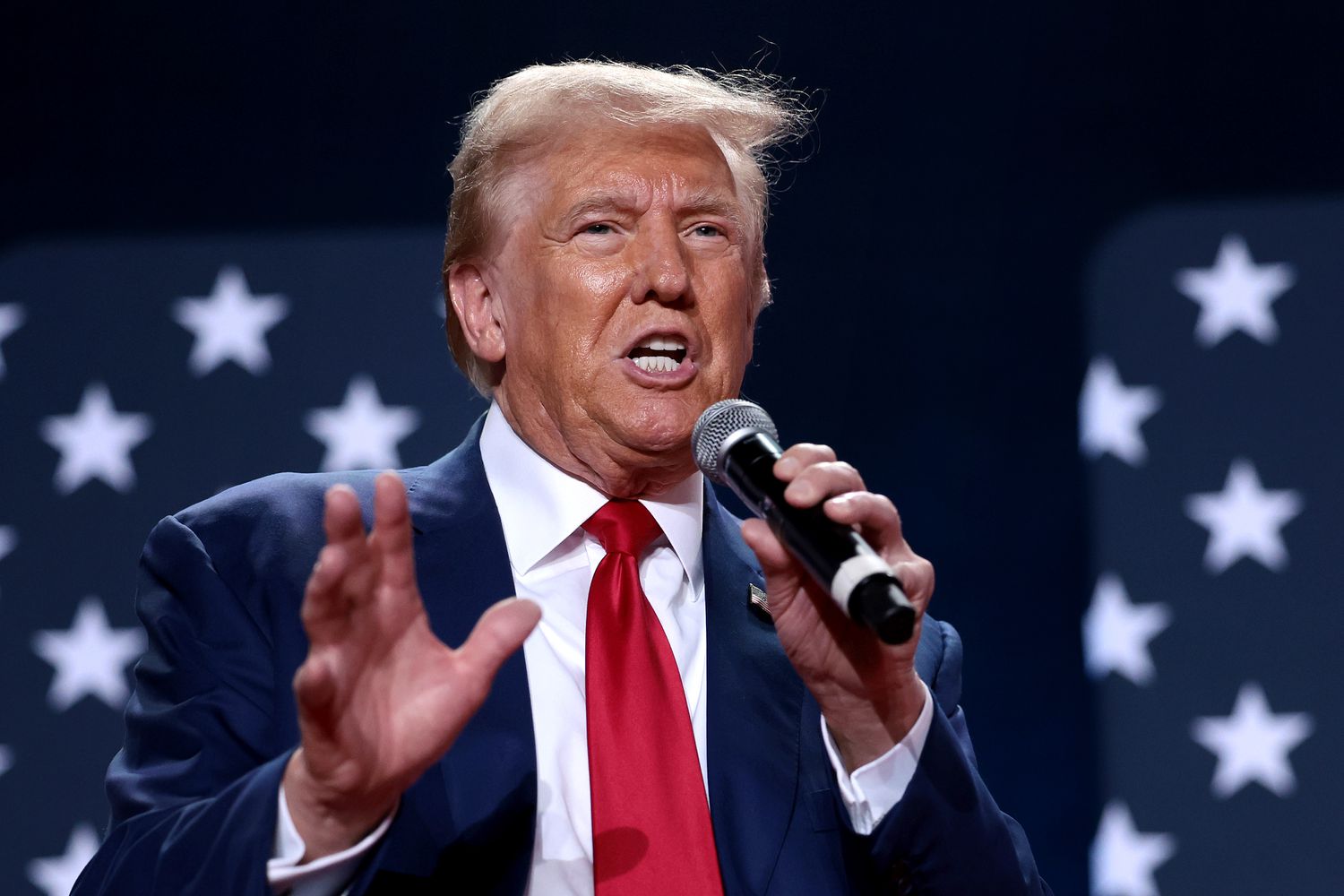
The segment then shifted from rhetoric to documentation. On screen appeared summaries of public reporting indicating that, while in office, Mr. Trump frequently shortened or skipped briefings and preferred condensed materials over detailed reports. The contrast was stark: claims of exhaustive knowledge set alongside records suggesting limited engagement with information. Again, there was no editorial flourish—only juxtaposition.
This restraint proved disarming. Rather than provoking partisan outrage, the segment prompted discussion about standards of leadership and honesty. Social media reaction focused less on Mr. Kimmel’s opinions and more on the clips themselves. Commentators debated the substance of the statements, not the intent of the host. In an era saturated with commentary, the absence of overt argument became the argument.
Mr. Trump did not respond to the substance of the segment. Instead, he criticized Mr. Kimmel personally—an approach that, intentionally or not, reinforced the central point. The issue was not mockery, but credibility; not comedy, but contrast.
The episode illustrates a broader shift in how late-night television can function within public discourse. Programs like Jimmy Kimmel Live! are often dismissed as partisan entertainment. Yet moments like this reveal a different role: one in which repetition is stripped away, claims are slowed down, and viewers are invited to assess evidence without being told what to think.
In the end, the segment’s impact did not come from humiliation or spectacle. It came from quiet exposure. When volume is removed and assertions are placed beside the record, confidence alone is no longer persuasive. What remains is a simple question—one that lingers long after the applause fades: What happens when claims finally meet the facts?