For years, an immutable “theorem” seemed to govern American politics: The Republican Party belonged to Donald Trump, and no one dared cross the red line he drew. However, in the early days of 2026, that theorem was violently shaken. A quiet but fierce rebellion in the Senate has revealed deep cracks within the “Trump Empire,” where loyalty is no longer a blank check.

January 8, 2026, will be remembered as one of those rare moments when the U.S. Senate actually acted as an independent branch of power. With a vote of 52-47, the Senate moved forward on a war powers resolution aimed at curbing Trump’s ability to unilaterally launch military operations in Venezuela without Congressional approval.
The shock was not the Democratic opposition, but the fact that five Republican Senators “jumped the fence” to stand with the opposition. Rand Paul, Lisa Murkowski, Susan Collins, Todd Young, and Josh Hawley—names traditionally synonymous with the GOP—collectively said “No” to the Commander-in-Chief’s “shoot first, ask questions later” style. This was not just a procedural vote; it was a defiant message sent to the White House: Presidential power is not absolute.
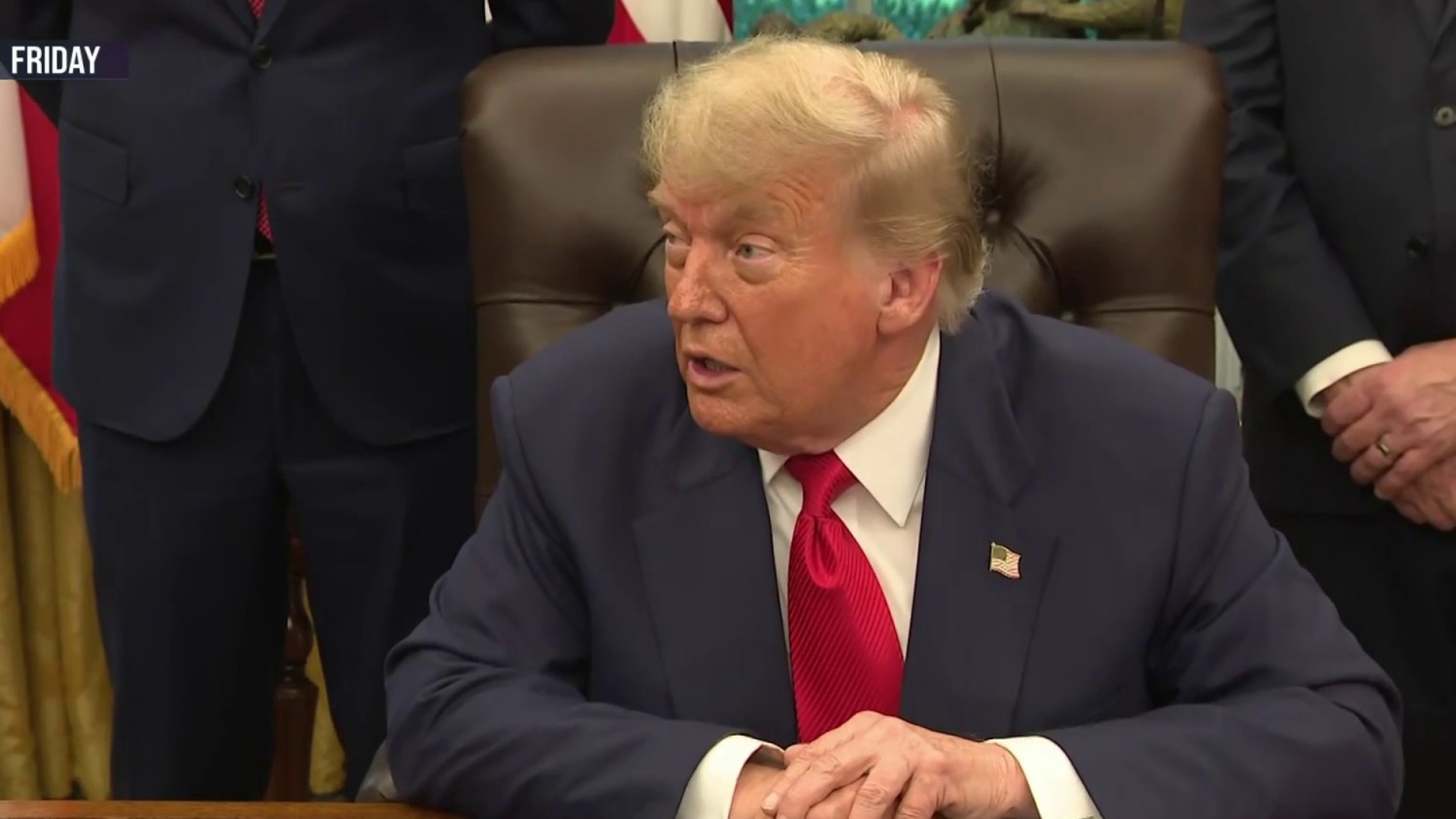
Why did veteran members choose this moment to turn their backs? The answer lies in the unchecked escalation of foreign policy. Senator Susan Collins publicly expressed concerns not only about Venezuela but also about Trump’s threats to occupy Greenland. Even the veteran “architect” Mitch McConnell—who defended Trump through two impeachments—spoke out against the Greenland rhetoric.
The connection between Venezuela and Greenland in the minds of lawmakers is clear. They see a dangerous pattern: a President willing to use force based on personal whims, ignoring allies and the Constitution alike. For many, the idea of seizing Danish territory by force was the final straw, causing even the most ardent supporters to “slam on the brakes”.

Donald Trump’s reaction to this resistance followed a familiar script: personal attacks and political threats on Truth Social. He labeled the move a “betrayal of national security” and threatened that the defectors would never have another chance to hold office.
However, these pressure tactics backfired for some. Representative Don Bacon uttered an inspiring line: “Trump’s bullying only stiffens my spine”. Instead of cowing them into submission, the White House threats only reinforced the belief that Congress must remain independent and fulfill its role as a check and balance.
In the end, Trump “won” on technicality. In the decisive vote on January 14, the resolution was blocked by a razor-thin margin of 51-50, only after Josh Hawley and Todd Young flipped under immense White House pressure. Vice President J.D. Vance had to rush to the capital to cast the tie-breaking vote.
But look at the nature of this victory: It was achieved by a single vote only after Trump utilized every tool from persuasion to intimidation. Three Republican Senators (Rand Paul, Lisa Murkowski, Susan Collins) remained steadfast in their opposition until the very end. This is not a symbol of absolute strength; it is a sign of attrition.

American politics is entering a new phase where constitutional guardrails are beginning to function again. This war powers battle shows that the “emperor” is not as omnipotent as he appears. The cracks in the Senate serve as evidence of the tension between blind loyalty and the duty to protect the Constitution.
The next confrontation might end very differently. If Trump continues to escalate provocative actions, this “rebel” coalition may grow, and there is no guarantee that J.D. Vance will always be there to save the day. This battle may be just one chapter, but it has mapped out a new route for those seeking to restore the balance of power in Washington.






