A late-night television monologue ignited a fresh media storm this week after former President Donald Trump mocked Harvard graduates in public remarks—prompting Jimmy Kimmel Live host Jimmy Kimmel to respond with a segment that quickly moved from satire into controversy.
What began as a familiar late-night jab took an unexpected turn when Kimmel addressed Trump’s comments about elite universities and their alumni. Trump, who has long criticized academic institutions and intellectual elites, had recently derided Harvard graduates as “dumb,” remarks that circulated widely across social media and cable news.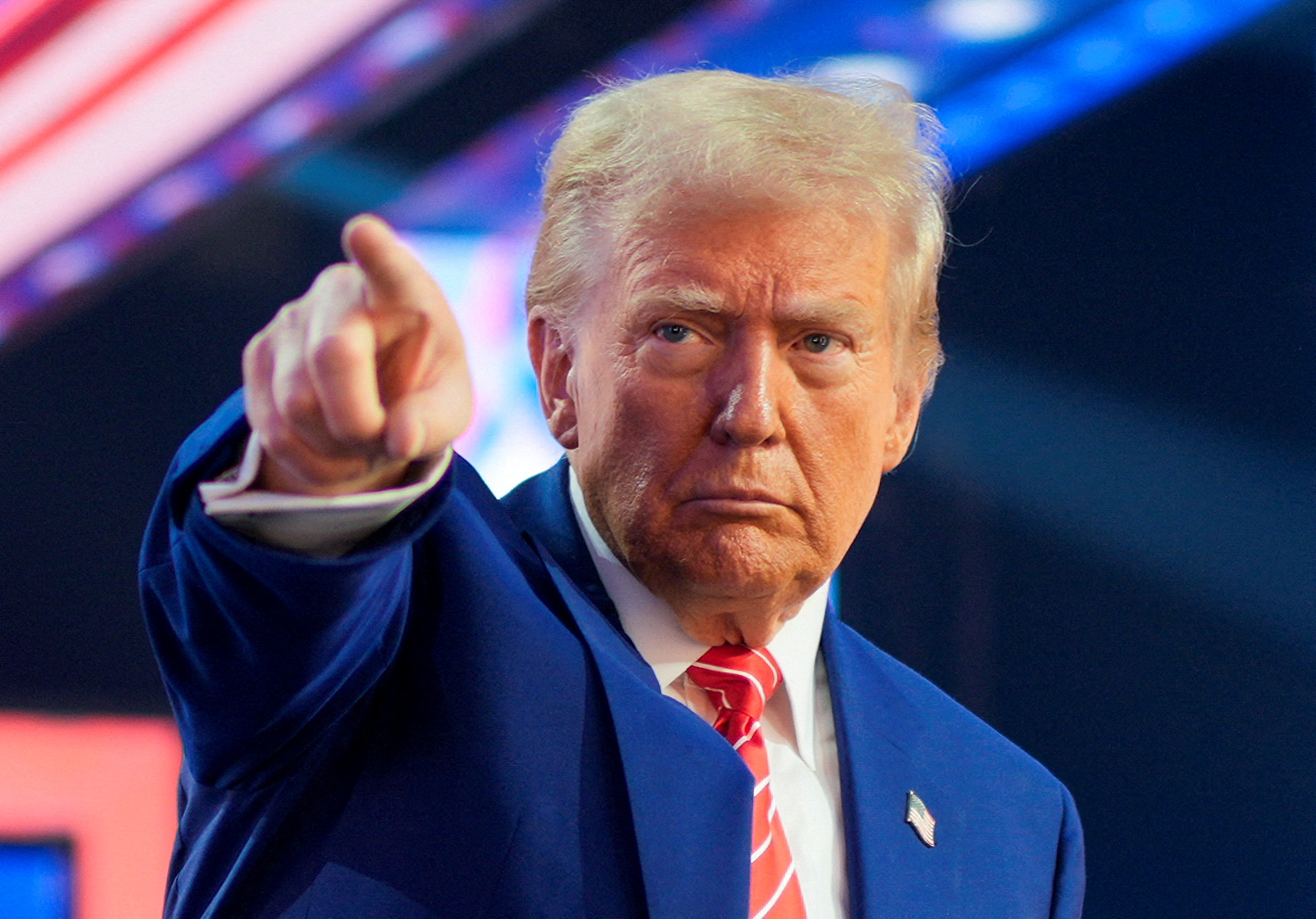
Kimmel initially treated the comment as fodder for humor. But midway through the segment, he shifted tone, teasing what he described as Trump’s long-rumored academic record, including references to standardized testing from Trump’s youth. Holding up a card and pausing deliberately, Kimmel framed the moment with restraint rather than spectacle—letting silence, timing, and implication do the work.
The studio audience reacted audibly. Laughter gave way to gasps, followed by applause, as viewers sensed the segment had crossed from comedy into pointed commentary. Kimmel did not present documentation on air, nor did he claim to verify any academic records. Instead, he used the suggestion itself to highlight what he portrayed as a contradiction between Trump’s attacks on academic achievement and Trump’s own guarded history regarding his education.
Television critics noted that the power of the moment lay less in the substance of the claim than in its framing. “It wasn’t an exposé in the journalistic sense,” said one media analyst. “It was a rhetorical reversal—using Trump’s own insult to question his credibility.”
Within minutes of the broadcast, clips of the segment spread rapidly across platforms including X, TikTok, and Instagram. Millions of users debated whether the moment was clever satire, unfair provocation, or an example of late-night television pushing beyond its traditional role.
According to individuals familiar with events at Mar-a-Lago, Trump was watching the segment live. Several sources described an angry reaction, alleging that Trump shouted at aides and accused the show of humiliating him on purpose. These accounts could not be independently verified, but they align with Trump’s long history of responding sharply to televised criticism, particularly when it gains viral momentum.
Trump has not released an official statement addressing the segment directly. However, allies dismissed it as “Hollywood mockery,” accusing late-night hosts of political bias and arguing that entertainers routinely weaponize humor against conservative figures.
Supporters of Kimmel defended the segment as fair commentary. They argued that Trump’s own remarks about Harvard graduates invited scrutiny, especially given his repeated efforts over the years to keep details of his academic records private. Trump has previously threatened legal action against institutions he claimed might release information about his education, further fueling public curiosity.
The episode underscores a broader shift in American media. Late-night television has increasingly become a platform not just for humor, but for political framing—particularly in an era when traditional trust in institutions is strained. For many viewers, comedy shows now function as an informal forum for critique, blending entertainment with cultural accountability.
“This wasn’t about proving anything,” said a professor of media studies at UCLA. “It was about narrative power. Kimmel didn’t need documents. He needed timing.”
Whether the segment will have lasting political consequences remains unclear. But its immediate impact was unmistakable. In a media environment crowded with outrage and noise, a quiet pause, a raised card, and a carefully chosen line proved enough to dominate the news cycle.
In modern American politics, even a joke—handled precisely—can become a moment of reckoning.






