Visa Freeze Casts Shadow Over 2026 World Cup, Raising Questions About America’s Role as Host
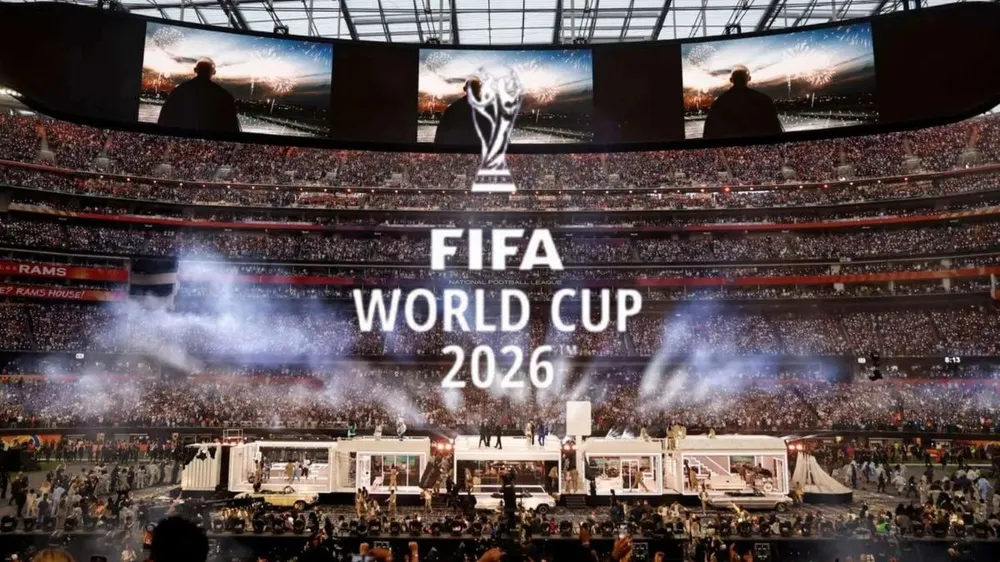
With less than five months remaining before the opening match of the 2026 FIFA World Cup, a sweeping United States immigration decision is reshaping what was meant to be the most inclusive global sporting event in history.
On January 14, the U.S. Department of State announced a freeze on immigrant visa processing for citizens of 75 countries, a policy set to take effect on January 21. While framed as an administrative and security measure, the decision has sent shock waves through the international football community, human rights organizations, and U.S. allies — particularly because several of the affected countries have qualified national teams and millions of fans planning to attend the tournament.
Among those facing the harshest restrictions are Iran and Haiti, both of which have secured places in the expanded 48-team World Cup. Under the new policy, citizens of those two countries are subject to a full ban that includes both immigrant and tourist visas, effectively barring fans from entering the United States regardless of whether they hold match tickets.
The announcement has ignited a debate far beyond sport: whether the United States can credibly host a global event while enforcing immigration policies that exclude large portions of the global audience.
A Tournament, Divided by Borders
The 2026 World Cup, jointly hosted by the United States, Canada, and Mexico, will feature 104 matches — 78 of them on U.S. soil, including both semifinals and the final. Canada and Mexico will each host just 13 matches.
That imbalance has taken on new significance. While FIFA officials have repeatedly emphasized that athletes, coaches, team staff, accredited journalists, and officials are exempt from the visa freeze, fans are not. Millions of supporters from affected countries now face uncertainty — or outright exclusion — despite years of planning and financial investment.
For Iran, the implications are especially stark. Iranian fans are barred not only from the United States but also from Canada under existing entry restrictions, leaving Mexico as the only potential host country they could legally enter — and only if Iran is scheduled to play there. Of the 104 matches in the tournament, just 13 will be held in Mexico.
Haiti’s situation is even more complex. The country’s qualification marked its first World Cup appearance in more than 50 years, a moment of rare national pride after years of political instability and natural disasters. Yet Haitian fans are entirely prohibited from entering the United States.
Compounding the issue, approximately 340,000 Haitians currently live in the U.S. under Temporary Protected Status (TPS), which is set to expire on February 3. Immigration advocates warn that attending World Cup matches could expose some TPS holders to heightened scrutiny or legal risk, transforming what should be a celebration into a matter of personal safety.
FIFA’s Limited Leverage

FIFA has sought to distance itself from the controversy. In a statement released after the visa announcement, the organization reiterated that possession of a World Cup ticket “does not guarantee entry” into host countries — a standard disclaimer, but one that now carries extraordinary weight.
The organization has also promoted a forthcoming initiative known as “FIFA Pass,” designed to prioritize visa interviews for ticket holders. However, immigration experts note that the program does not override national entry bans. For citizens of Iran and Haiti, eligibility remains unchanged: no visa, no entry.
Privately, according to reporting by major U.S. and European outlets, FIFA officials have expressed concern about reputational damage but see little room for intervention. Immigration policy, they argue, lies solely within the authority of sovereign governments.
That position has drawn criticism, particularly in light of FIFA President Gianni Infantino’s recent public alignment with President Trump. In December, Infantino presented Trump with FIFA’s inaugural “peace award” at the World Cup draw ceremony, praising his diplomatic efforts abroad. Images of the two men together circulated widely on social media, prompting backlash over FIFA’s political neutrality.
International Backlash Builds
Reaction to the visa freeze has been swift. Leaders within the European Union, along with officials in France and Germany, issued joint statements condemning the policy and warning of its impact on international travel and cultural exchange.
In Britain, more than 20 members of Parliament from across party lines called for a review of whether the United States should continue hosting major international competitions. Iran boycotted the World Cup draw in December, citing earlier visa denials for its delegation. Human rights organizations, including several U.S.-based groups, accused FIFA of failing to protect the inclusivity of its flagship tournament.
On social media, the response has been equally intense. Fans from Brazil, Ghana, Morocco, Colombia, and Egypt — countries facing partial restrictions or visa processing suspensions — have questioned whether travel will be worth the uncertainty. According to industry analysts, thousands of ticket cancellations have already been reported, driven by fears of denied entry or prolonged delays.
A Contrast With Canada and Mexico
As criticism of U.S. policy mounts, Canada and Mexico have emerged as unintended beneficiaries. Both countries maintain comparatively open visa regimes and have made public commitments to facilitate travel for World Cup fans.
Canadian officials, while avoiding direct criticism of Washington, have emphasized transparency and predictability in entry procedures. Mexico, long experienced in hosting large international tournaments, has signaled flexibility and cooperation with FIFA.
Some media outlets have reported increased hotel bookings in Canadian host cities and speculation about behind-the-scenes discussions regarding match reallocation. FIFA has denied any plans to alter the schedule, insisting that the tournament will proceed as designed.
Yet the contrast is difficult to ignore. While the United States tightens borders, its co-hosts are positioning themselves as open and welcoming — a distinction that carries significant implications for global perception.
Soft Power at Stake
For decades, hosting the World Cup has been a demonstration of soft power: a chance to project openness, competence, and cultural leadership. Critics argue that the current visa policy undermines that tradition.
“This isn’t just about football,” said one former U.S. diplomat, speaking on condition of anonymity. “It’s about whether the United States still sees value in being a convening place for the world.”
Supporters of the administration counter that national security and immigration enforcement must take precedence, regardless of sporting calendars. They note that exemptions for teams ensure the competition itself remains intact.
But for millions of fans, the symbolism matters. A World Cup without fans from entire nations risks becoming a fragmented event — global in branding, selective in reality.
An Uncertain Road Ahead

The United States still has months to adjust course. Visa policies can change, exemptions can be expanded, and diplomatic pressure may yet yield compromises. FIFA, too, could seek creative solutions within its limited authority.
For now, the matches remain scheduled, the stadiums prepared, and the teams qualified. But the question hanging over the 2026 World Cup is no longer logistical — it is philosophical.
Can a tournament that excludes millions based on nationality still claim to unite the world?
The answer may shape not only the legacy of this World Cup, but how the United States is viewed as a host of global events for years to come.






