When Silence Broke: How Canada Challenged Trump’s Pressure Politics—and Why It Mattered
For decades, American power over its allies followed a familiar rhythm. Washington applied pressure. Tempers flared. Headlines moved on. Behind closed doors, partners absorbed the shock, adjusted quietly, and preserved the relationship. The system depended not on agreement, but on discretion.
This time, discretion failed.
When former President Donald J. Trump renewed his confrontational approach toward allies—through social media attacks, public accusations, and sweeping defense proposals—the response from America’s closest partners was not silence. It was correction. And nowhere was that clearer than in Canada.
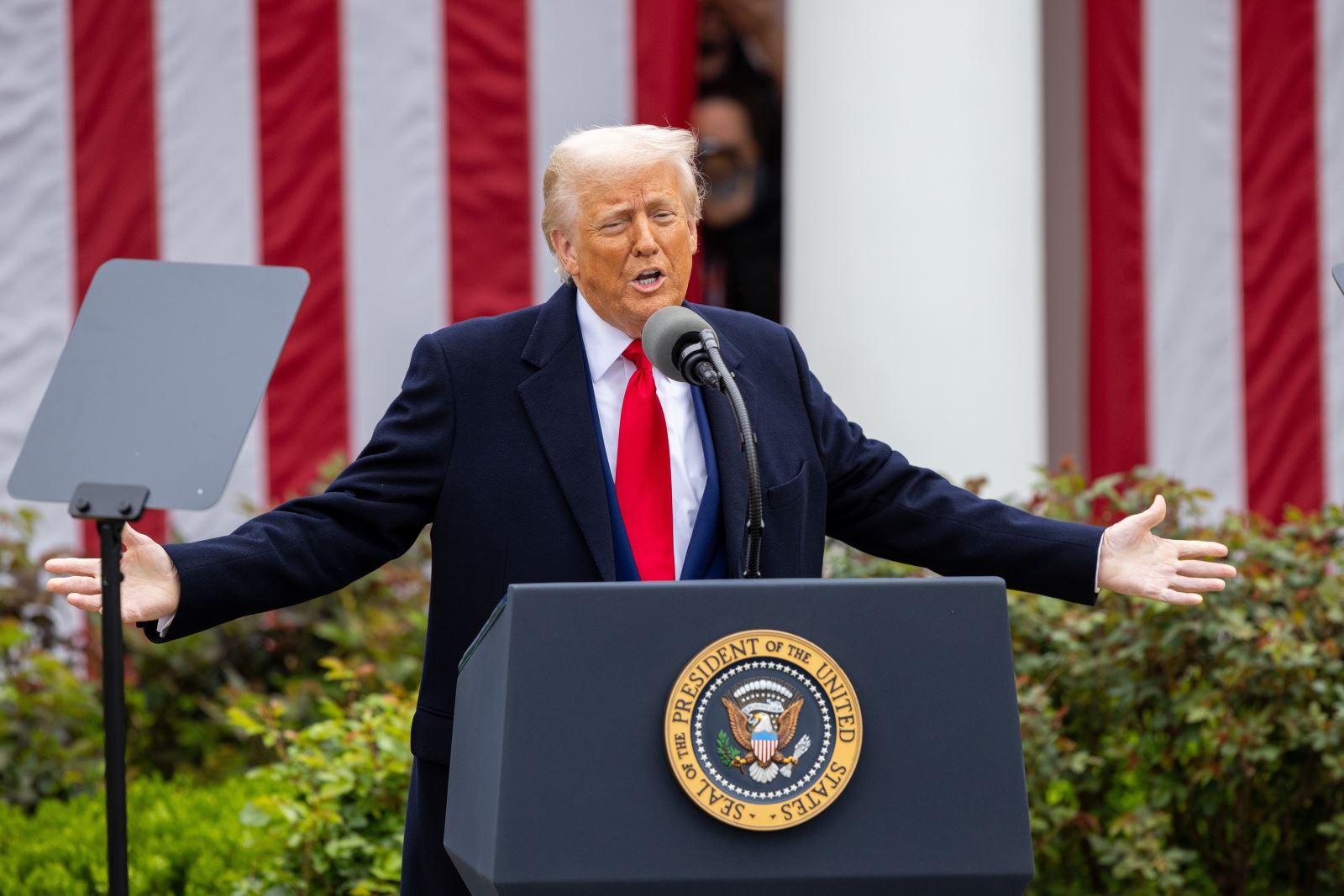
What began as another round of rhetorical escalation quickly exposed a deeper shift in the balance of alliance politics. At its center stood Mark Carney, Canada’s prime minister, a leader whose influence has rested less on theatrics than on credibility. His response to Trump’s pressure tactics did not escalate tensions—but it stripped them of their leverage.
The rupture was not sudden. It unfolded across speeches, press briefings, summit sidelines, and, critically, public platforms where allies once remained silent.
The Promise and Peril of the “Golden Dome”
The immediate flashpoint was Trump’s promotion of a sweeping missile defense concept he dubbed the “Golden Dome,” a vision of total protection modeled rhetorically on Israel’s Iron Dome but vastly more ambitious. The proposal envisioned space-based interceptors, satellite-linked sensors, and early-strike capabilities designed to neutralize threats before they reached American airspace.
Supporters framed it as deterrence. Critics, including defense analysts frequently cited in U.S. outlets like Foreign Policy and Politico, warned it risked destabilizing existing arms control norms and accelerating a space-based arms race.
What unsettled allies was not merely the technology—which remains largely theoretical at scale—but the framing. The project was presented less as a cooperative defense initiative than as an American shield, implicitly demanding alignment rather than consultation.
When Trump publicly accused Canada of opposing the plan and “siding with China,” the reaction was immediate and unusually blunt. Canada’s ambassador to Washington rejected the claim outright. No hedging. No diplomatic softening. Just a flat denial, backed by data.
Canada, officials noted, has committed more than $80 billion over five years to defense spending, with a heavy emphasis on Arctic surveillance, over-the-horizon radar systems, and early-warning capabilities—investments that enhance continental defense for both countries. Far from obstructing North American security, Canada was reinforcing it.
The disagreement, it became clear, was not about defense spending. It was about control.
Davos and the End of Deference
That tension surfaced publicly days later at the World Economic Forum in Davos. Trump, addressing global leaders, repeated a familiar refrain, asserting that Canada “lives because of the United States.” The line landed with an audible chill in the room.

Carney’s response was neither emotional nor confrontational. In a speech that quickly circulated among diplomats and policy analysts—and was widely discussed on X and cable news panels—he warned that the world was no longer in a period of transition, but rupture. Economic integration, he argued, was being weaponized. Tariffs had become tools of coercion. Supply chains were now leverage.
“You cannot live within the lie of mutual benefit,” he said, “when integration becomes the source of subordination.”
The speech did not mention Trump by name. It did not question American legitimacy. Instead, it reframed the debate around sovereignty and reciprocity—concepts deeply familiar to economists and alliance managers, but rarely stated so plainly on such a stage.
Back in Canada, Carney delivered the line that would echo far beyond Ottawa: “Canada does not live because of the United States. Canada thrives because we are Canadian.”
A Peace Board—and an Empty Room
The next act followed quickly. Trump announced the formation of a new “Board of Peace,” a vaguely defined body intended to coordinate post-conflict reconstruction and humanitarian efforts. Participation, according to multiple reports circulating among U.S. political journalists and amplified on social media, required a reported $1 billion financial commitment.
What stood out was not the announcement itself—but the absences. Canada declined to participate. So did the United Kingdom, France, Germany, and several other key Western allies.
Canadian officials privately and publicly questioned the lack of transparency, governance structures, and accountability mechanisms. Humanitarian aid, they argued, cannot function as a pay-to-play symbol. It requires oversight, access, and legitimacy among affected populations.
Once again, Canada was not isolated. It was early.
The Silence Breaks Elsewhere
What followed surprised Washington insiders more than Canada’s stance itself. Others began correcting the record publicly.
British officials sharply rebutted Trump’s claims about NATO deployments. French representatives dismissed statements made at Davos as “fake news,” adopting Trump’s own language. German leaders delivered speeches outlining how coercion and spectacle erode, rather than strengthen, global stability.
The responses varied in tone, but not in substance. The old pattern—absorb quietly, fix privately—was gone.
Even within the United States, the shift was noted. California Governor Gavin Newsom summarized the concern in remarks that spread quickly online: alliances take decades to build and minutes to destroy; tearing them down is not strength, but weakness masquerading as power.
According to multiple reports, Carney’s Davos remarks circulated privately among U.S. officials—not as material to rebut, but to analyze.
Why This Moment Endured
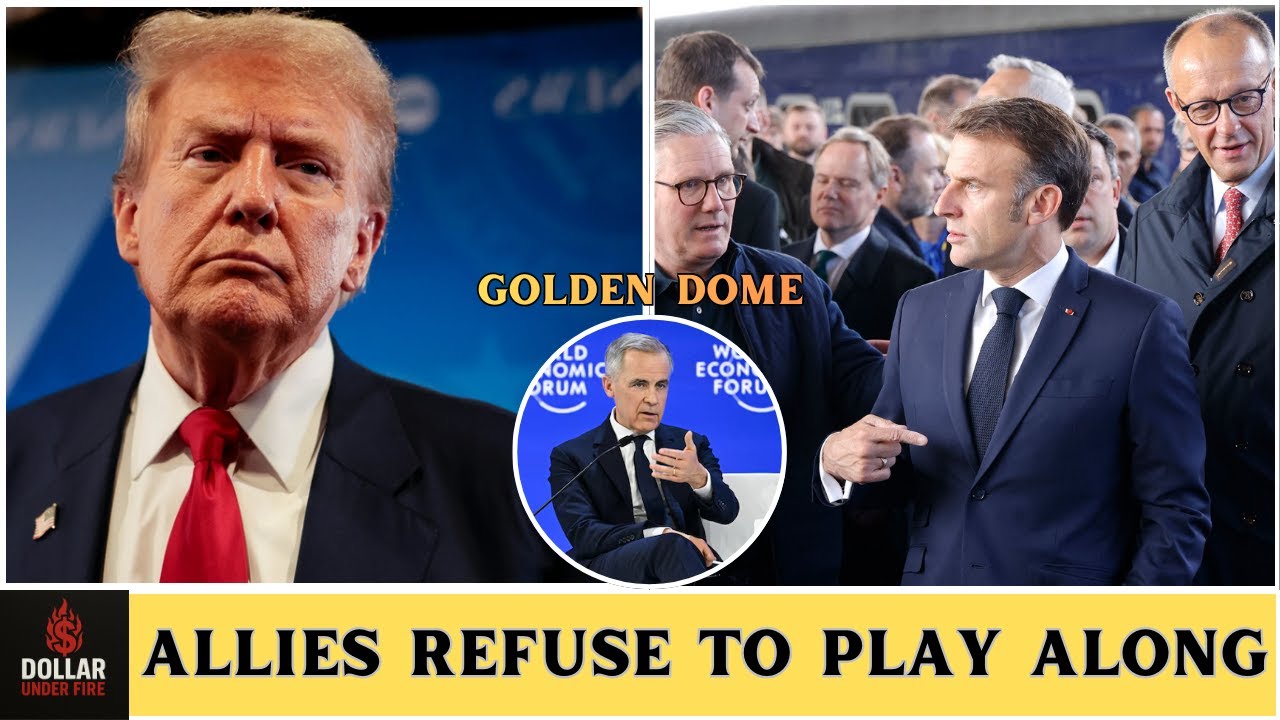
This episode mattered not because Trump lost a specific argument, but because a method failed. His approach depended on an assumption that allies would stay quiet, preserve access, and let pressure pass. That assumption collapsed the moment claims were corrected publicly.
Canada did not escalate. It did not threaten. It clarified.
By grounding its response in facts—defense spending, Arctic investment, alliance commitments—Ottawa exposed the gap between rhetoric and reality. Once exposed, the pressure lost its force.
This was not anti-Americanism. It was structural realism. Canada made clear that partnership is not submission, and sovereignty is not hostility. That mutual respect stabilizes alliances more effectively than fear.
In doing so, it offered a model others recognized.
The symbols—the missile shield, the peace board—were never the core story. What collapsed was the belief that power flows from silence. Once silence disappeared, so did the leverage built upon it.
Canada did not walk away. It stood firm. And in that firmness, it reminded allies and adversaries alike that real influence does not come from volume or spectacle, but from clarity, credibility, and the quiet confidence to say no.






