As Canada Looks Beyond Washington, the United States Confronts a New Reality
By early this week, the message from Washington had hardened into something unusually blunt.
“We do not need Canada.”
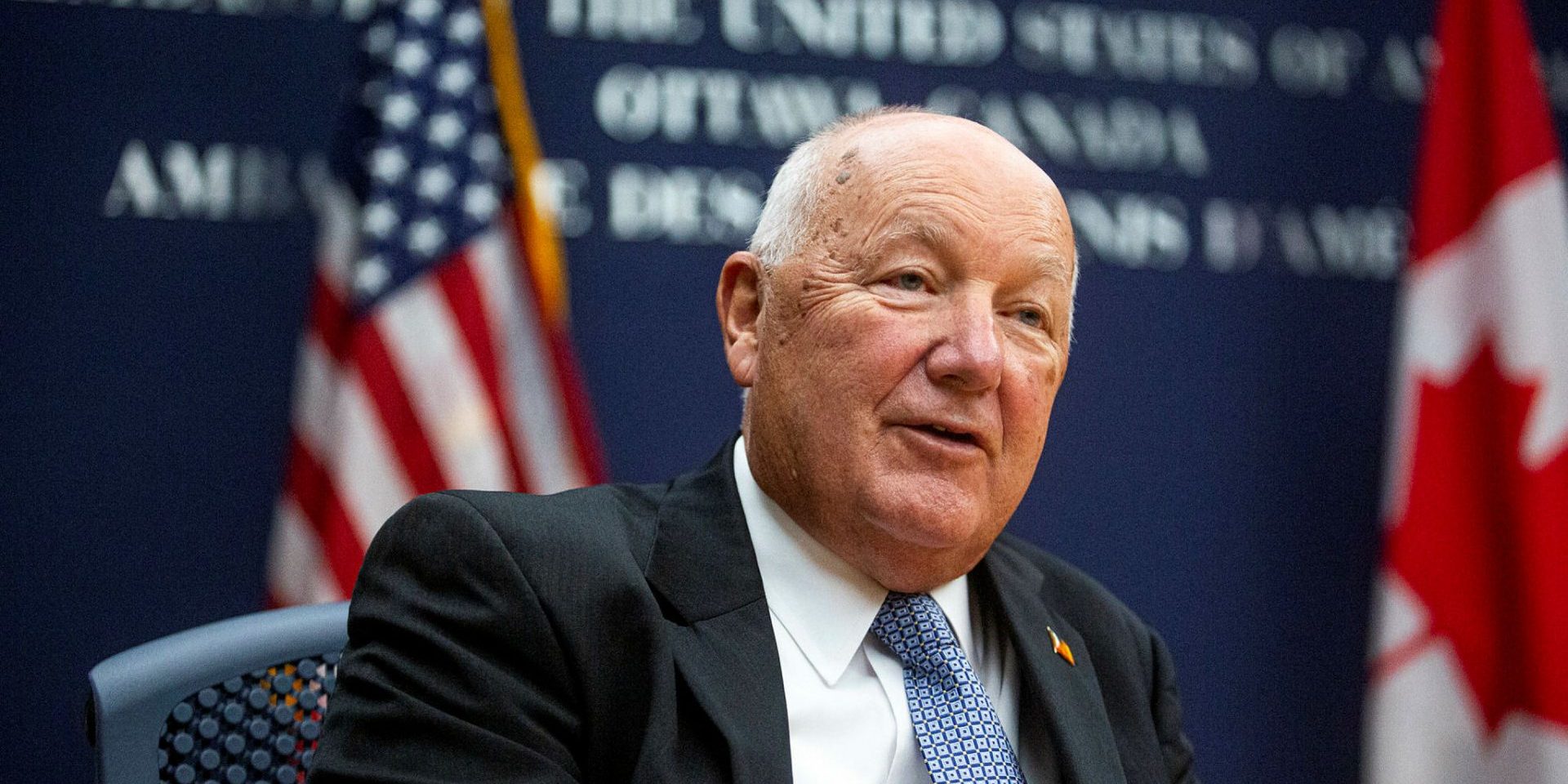
The words did not come from former President Donald Trump, whose rhetorical clashes with Ottawa are by now familiar. They came instead from Pete Hoekstra, the United States ambassador to Canada, speaking on Canadian radio. The remark landed with unusual force, not because of its novelty, but because of its timing.
It arrived just days after Canada finalized a sweeping reset of its trade relationship with China and as Prime Minister Mark Carney touched down in Qatar, seeking large-scale investment partnerships that could reshape Canada’s economic trajectory for decades. Together, the moves signaled something Washington has long resisted acknowledging: Canada is actively diversifying away from dependence on the United States, and it is doing so with speed, confidence, and global backing.
For much of the postwar period, the U.S.–Canada relationship rested on an unspoken assumption. Canada might disagree with Washington, occasionally resist it, but ultimately remain structurally bound to the American economy. Integrated supply chains, energy interdependence, and geographic inevitability ensured alignment. The leverage was quiet but real.
That assumption is now eroding.
A Shift in Momentum
The immediate catalyst was Canada’s agreement with China, announced after Carney’s January visit to Beijing. The deal lowered or eliminated several punitive tariffs imposed during earlier diplomatic disputes, reopened agricultural access for Canadian exports such as canola, expanded visa-free travel, and laid groundwork for Chinese electric vehicle manufacturing partnerships in Canada.
In Washington, reaction was swift and conflicted. On social media and conservative television, commentators framed the deal as a strategic betrayal. On policy podcasts and financial media, the tone was more unsettled. Analysts acknowledged that Canada had secured concessions the United States itself had failed to extract, while reducing exposure to American trade pressure at a moment of growing uncertainty.
President Trump, campaigning at a Ford plant in Dearborn, Michigan, responded with characteristic bluntness. The United States, he said, did not need Canadian cars, lumber, steel, or energy. The comments echoed earlier threats of blanket tariffs and reinforced a message of economic self-sufficiency that plays well with domestic audiences but obscures the depth of cross-border integration.
Auto parts cross the Canada–U.S. border multiple times before final assembly. Canadian heavy crude supplies a majority of refineries in the Midwest. American housing costs remain sensitive to Canadian lumber prices. These realities are well understood in policy circles, even when they are dismissed in political rhetoric.
What made Hoekstra’s remark different was not its substance, but its delivery. Diplomats rarely speak in absolutes unless something has shifted beneath them.
From Trade to Capital
If China represented trade diversification, Qatar represents something more consequential: capital alignment.

Carney’s visit marked the first time a sitting Canadian prime minister traveled to Qatar, one of the world’s most influential sovereign wealth centers. The Qatar Investment Authority manages hundreds of billions of dollars with a mandate measured not in quarters, but generations. Its investments favor political stability, institutional credibility, and long-term infrastructure over short-term returns.
Canadian officials have emphasized that the talks were exploratory, not transactional. But the agenda was clear. High-speed rail. Energy infrastructure. Northern development. Strategic transportation corridors. These are projects that require patient capital on a scale domestic markets struggle to provide.
In U.S. financial media, the trip was read as a signal rather than a negotiation. When global capital begins to treat a country as a preferred destination, it alters that country’s leverage permanently. Unlike trade deals, which can be renegotiated or reversed, capital commitments embed themselves into economies.
That distinction has not been lost on Washington.
Anxiety Beneath the Rhetoric
Hoekstra’s declaration that the United States does not need Canada was widely circulated on X (formerly Twitter), where it triggered an unusual mix of reactions. Some American commentators celebrated the assertion as overdue realism. Others questioned why, if Canada were truly dispensable, Washington appeared so invested in saying so out loud.
The answer may lie in control rather than commerce.
For decades, American influence over Canada functioned less through coercion than through inevitability. Ottawa did not need to be threatened because alternatives were limited. Trump’s trade wars, tariff threats, and public disparagement changed that calculus. They forced Canada to do what mid-sized economies do when faced with uncertainty: hedge.
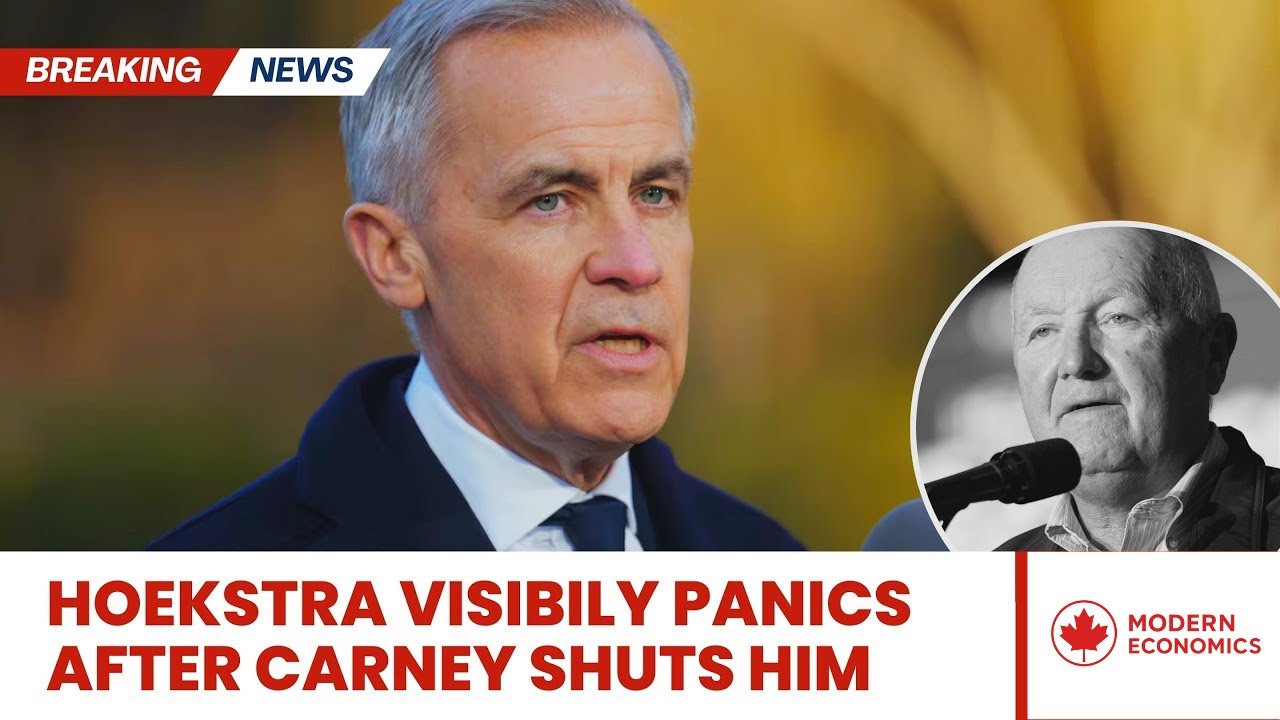
Carney, a former governor of both the Bank of Canada and the Bank of England, is unusually attuned to how confidence moves markets. During Britain’s Brexit crisis, he learned that credibility can stabilize systems even when politics cannot. Since becoming prime minister, he has applied that lesson internationally, presenting Canada as a predictable, rules-based environment at a time when predictability is in short supply.
That reputation matters. Investors do not flee chaos toward neutrality; they flee toward trust.
A Decoupling, Not a Divorce
None of this suggests an imminent rupture in U.S.–Canada relations. The two economies remain deeply intertwined, and neither government has an interest in outright confrontation. What is underway is subtler: strategic decoupling at the margins, reducing vulnerability rather than severing ties.
From Washington’s perspective, this is unfamiliar terrain. The United States is accustomed to allies hedging quietly, not publicly demonstrating alternatives. Canada’s moves challenge a long-standing hierarchy without directly confronting it.
The irony, as several American analysts have noted online, is that this shift was not initiated by Ottawa. It was provoked by unpredictability in Washington. Reliability, once lost, is difficult to restore.
When American officials say they do not need Canada, they may be expressing more than confidence. They may be acknowledging a loss of assumed influence. A Canada with diversified trade, diversified capital, and a globally recognized financial leader at its helm cannot be managed through pressure alone.
What Comes Next
The consequences of this moment will not be announced in press releases. They will appear gradually, in investment decisions, in supply-chain redesigns, in boardrooms choosing Toronto over turbulence elsewhere. Once those choices accumulate, they become self-reinforcing.
The United States still matters profoundly to Canada. Geography ensures that. But geography no longer guarantees dependency.
Washington now faces a question it has not had to ask in decades: how to engage a neighbor that no longer assumes alignment as default. The answer will shape North American politics long after the current cycle of rhetoric fades.
The deeper issue is not whether the United States needs Canada. It is whether it can adapt to a Canada that no longer needs to be told where its options end.






