The Quiet Repricing of America
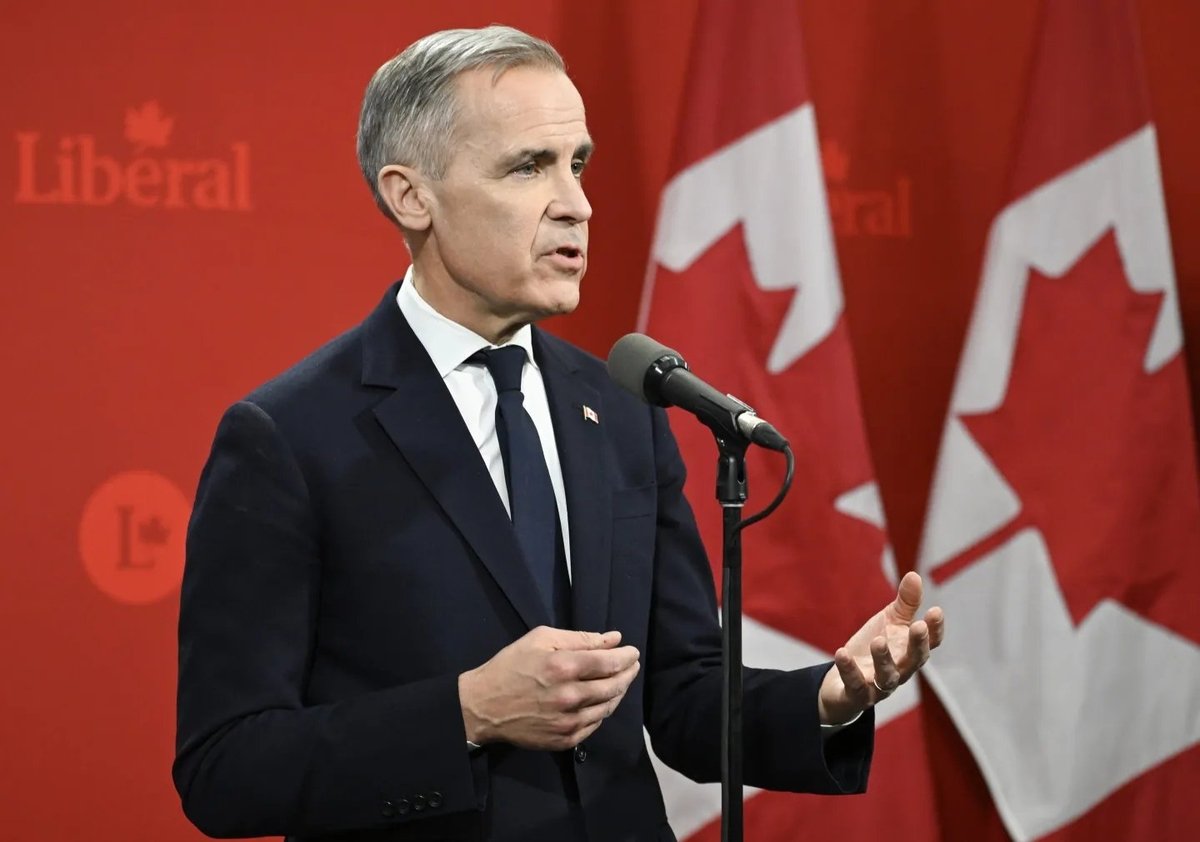
For decades, the United States has occupied a singular position in the global financial system. Political disputes flared, alliances strained, presidents came and went — and through it all, global capital behaved predictably. When uncertainty rose, money flowed toward America, not away from it. U.S. Treasuries remained the world’s ultimate safe haven, the dollar the unquestioned reserve currency, and American markets the default destination for long-term investment.
Over the past year, that assumption has begun to fray — not dramatically, not visibly, but unmistakably.
There have been no coordinated sanctions, no emergency summits, no angry declarations from allied capitals. Instead, something quieter has been unfolding beneath the noise of press conferences and political theater. Money has begun to hesitate. And in global finance, hesitation is often more consequential than panic.
While Donald Trump dominates headlines with tariffs, territorial rhetoric, and public confrontations with allies, some of America’s oldest partners have been doing something far more consequential. They have been rethinking their exposure to the United States itself.
Not because of one policy. Not because of one election. But because trust, once shaken, does not easily return.
When Silence Speaks Louder Than Protests
In financial circles, a phrase has begun circulating quietly: “sell America.” It does not mean a mass exit from U.S. markets. It does not describe retaliation or ideological protest. It refers to something more subtle — a reassessment of assumptions that once went unquestioned.
For years, political tensions came and went without lasting damage. Leaders argued. Markets shrugged. Diplomacy smoothed over disputes. This time has felt different. Repeated public remarks aimed at allies like Canada. Revived talk of Greenland. Statements that blurred the line between negotiation and coercion. Each episode, taken alone, seemed manageable. Together, they produced something far harder to repair: uncertainty.
Europe did not respond with outrage. It did not escalate publicly. Instead, it did what it has always done best. It observed.
Because when trust erodes between allies, the first signals do not appear in speeches. They appear in spreadsheets.
A Report That Barely Made Headlines
The turning point did not come from governments. It began with a report by Reuters that initially attracted little attention. The investigation revealed that large Northern European investors were reassessing their exposure to U.S. assets.
That alone was unusual. Pension funds do not talk politics. They do not comment on elections. They are designed to ignore short-term noise and think in decades. When they acknowledge geopolitical risk in real time, markets pay attention.
Senior pension officials in Finland, Sweden, and Denmark confirmed that uncertainty surrounding U.S. foreign policy — combined with mounting concern over U.S. government debt — was increasing the perceived risk associated with the dollar and U.S. Treasuries. There was no talk of panic or flight. Just reassessment.
And in finance, reassessment is where everything begins.
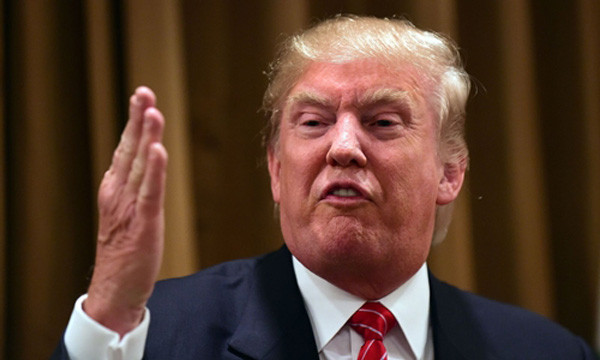
The Most Conservative Investors Blink
The Nordics did not stop at words. Two names soon entered the public conversation. Denmark’s Economet Pension and Sweden’s Electa confirmed they had sold — or were actively selling — portions of their U.S. Treasury holdings.
A few years ago, such moves would have been unthinkable. Both institutions emphasized that their decisions were not political. They cited risk management, weak U.S. government finances, and currency exposure. But timing matters. These moves followed months of tariff volatility, revived territorial rhetoric, and public friction with long-standing allies.
No one said it outright. But the implication lingered. If even the most conservative investors were trimming exposure, what did that say about perceived stability?
That question did not remain confined to Scandinavia.
A Shift Too Large to Ignore
Attention soon turned to the Netherlands, home to Europe’s largest pension fund, ABP. In recent disclosures, ABP revealed a sharp reduction in the value of its U.S. Treasury holdings — from roughly $29 billion to about $19 billion in a matter of months.
This was not a rounding error. Treasury prices had remained relatively stable during the period. Market movement alone could not explain the drop. Analysts concluded that ABP had likely reduced its holdings outright or quietly stopped reinvesting.
When an institution of that size shifts course, others notice.
Europe is not just another foreign investor. According to Deutsche Bank, European investors collectively hold close to $8 trillion in U.S. equities and bonds — nearly double the combined holdings of the rest of the world.
For decades, that arrangement worked because the United States was seen as uniquely predictable. Political disputes were noisy but contained. Alliances were stable. Policy, even when controversial, was legible.
That assumption is now being quietly questioned.

Risk Without Rhetoric
In a recent research note, Deutsche Bank analysts raised an uncomfortable point. If the geoeconomic stability of the Western alliance is being disrupted, it is no longer obvious why European investors should continue absorbing such a disproportionate share of America’s financing needs.
The note did not frame this as a threat or retaliation. It framed it as risk management. That distinction matters. When investors assign a higher risk premium to U.S. assets, borrowing costs rise. The dollar weakens. Confidence fractures slowly — then all at once.
Over the past year, subtle signals have accumulated. The U.S. dollar weakened against major currencies even as American equity markets posted strong headline gains. Long-term Treasury yields climbed toward levels not seen since before the global financial crisis. Thirty-year yields hovered near 5 percent, quietly signaling that investors were demanding more compensation to hold long-dated U.S. debt.
This was not driven by recession fears or collapsing growth. It was driven by uncertainty — sudden tariff announcements, public disputes with allies, and policy reversals that made long-term modeling harder.
Markets did what they always do. They priced it in.
The Power of Hesitation
The U.S. Treasury market is vast, valued at roughly $30 trillion. Its liquidity has long been America’s greatest strength. But liquidity is also a vulnerability. When confidence weakens, even small reallocations can ripple outward, pushing yields higher and tightening financial conditions at home.
Not everyone believes this moment warrants alarm. Supporters of the U.S. outlook point to the dollar’s reserve currency status, the depth of American markets, and the artificial intelligence boom driving equity gains. And they are not wrong — at least not yet. There is no obvious alternative capable of absorbing trillions of dollars overnight.
But even among these voices, the tone has shifted. Instead of unqualified confidence, discussions now revolve around diversification, hedging, and exposure limits. Gold has reemerged as insurance. Currency risk is discussed more openly. Portfolio strategies that once assumed U.S. stability as a given are being quietly reworked.
Capital does not need to flee to change outcomes. It only needs to hesitate.
A Structural Recalibration
What makes this moment different is not the size of the moves being made. It is their direction. For decades, global capital treated the United States as the default anchor of the financial system. Even in crisis, money flowed back, not away.
That assumption is now being re-evaluated.
This is not about one administration or one dispute. Analysts increasingly describe it as structural — a perception that U.S. policy has become harder to model. When investors cannot confidently price risk, they do not necessarily sell. They wait. They shorten horizons. They spread exposure. They demand higher returns.
And once those behaviors are embedded, they are difficult to reverse.
Pension funds are designed to ignore short-term noise. When they adjust assumptions, it signals more than a passing reaction. It signals a recalibration of trust.
The response from global capital is quiet, methodical, almost invisible. But history suggests that the most consequential financial shifts rarely arrive with drama. They unfold slowly, reshaping flows and influence long after the political moment has passed.
This story is not about collapse. It is about confidence.
Money does not shout. It does not protest. It does not make speeches. When trust erodes, capital pauses. It recalculates. It moves elsewhere, incrementally.
That is the danger Washington faces now — not a dramatic sell-off, but a gradual repricing. Higher borrowing costs. A dollar that no longer enjoys unquestioned demand. Capital that disperses rather than concentrates.
These shifts do not dominate headlines. But they compound.
And history suggests that once confidence moves on, it rarely returns in quite the same way again.






