By the New York Times style desk
A YouTube video circulating this week under the headline “Trump Loses It as Jon Stewart Drops Truth Bomb on National TV!” has racked up views by promising an explosive televised confrontation between Donald Trump and Jon Stewart. The nearly half-hour narration depicts a studio showdown in which Mr. Stewart calmly presents documents, photographs and timelines, prompting an enraged Mr. Trump to storm off set.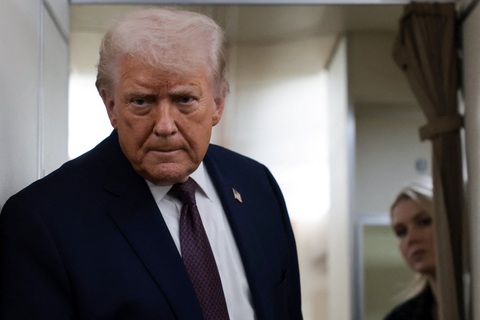
The problem: there is no verified record of such an interview occurring, nor of the claims advanced in the video.
The clip follows a familiar pattern in the contemporary online attention economy. It borrows the cadence of broadcast journalism, layers cinematic tension over selective imagery, and presents sensational allegations as if they were established facts. The narration’s authority—measured tones, deliberate pauses, and a step-by-step buildup—mirrors the aesthetic of serious reporting while bypassing its safeguards.
In the video, Mr. Stewart is portrayed as unveiling a “family secret,” supported by purported evidence. These assertions are grave and defamatory. No credible reporting substantiates them; no reputable outlet has published corroboration; and representatives for Mr. Trump have repeatedly denied similar claims in the past. The absence of sourcing, verification, or on-the-record attribution is decisive.
Mr. Stewart, for his part, has built a career on satire that punctures power through documented facts, irony, and context—most notably during his tenure at The Daily Show. He has also been explicit about the boundaries between comedy and reporting. To conflate a fabricated monologue with his actual work risks misleading audiences about both the man and the medium.
The video’s appeal is understandable. Mr. Trump’s long relationship with television—his instinct for confrontation, his attacks on critics, his performative exits—provides a ready-made narrative arc. So does Mr. Stewart’s reputation for calm, prosecutorial questioning. Put together, the pairing promises catharsis. But promise is not proof.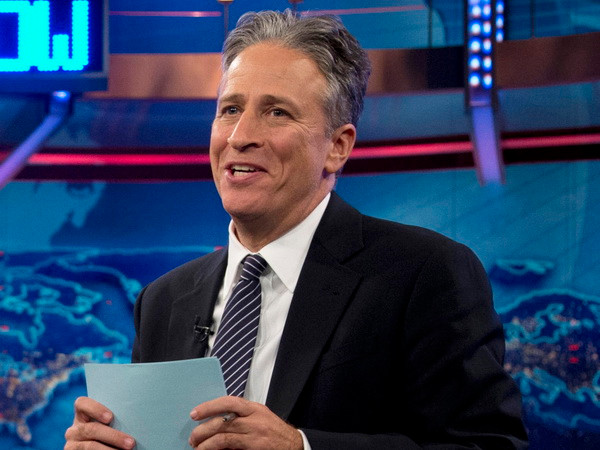
Platforms like YouTube do not require the editorial rigor that governs legacy newsrooms. Headlines can overstate; scripts can speculate; images can imply. When such content travels quickly, the burden shifts to viewers to distinguish reporting from storytelling.
This episode underscores a broader challenge for audiences navigating political media in 2026: the erosion of visual and tonal cues that once separated news from fiction. A serious voice and a studio backdrop no longer guarantee accuracy. Claims—especially those that could cause reputational harm—must be checked against primary sources and reputable reporting.
There is a legitimate conversation to be had about Mr. Trump’s public conduct, the media’s role in accountability, and the enduring power of televised confrontation. But that conversation begins with facts. In this case, the “truth bomb” is not an exposé; it is a reminder that virality is not verification.
As ever, skepticism remains the most reliable viewer protection.