Impeachment Talk Returns to Capitol Hill, This Time in Formal Terms
By the New York Times style desk
For years, impeachment has hovered around Donald Trump as a recurring political threat—raised in cable-news panels, campaign speeches and social media posts. Now, supporters of removing him from office argue that the conversation has crossed a meaningful threshold. A newly introduced House resolution, they say, transforms political rhetoric into a formal congressional challenge.
House Resolution 353, filed as a privileged measure, lays out seven articles of impeachment accusing Mr. Trump of constitutional violations that include obstruction of justice, abuse of spending authority, corruption, infringements on First Amendment protections and what the resolution characterizes as tyrannical conduct. By invoking privileged status, the sponsors ensure that House leadership cannot indefinitely bury the measure in committee, a procedural choice meant to underscore urgency and seriousness.
The resolution’s backers emphasize that these are not abstract grievances. Each article is written as a charge, framed in legal and constitutional language, signaling an effort to move impeachment from speculation to record. While introduction alone does not guarantee action, it compels the House to confront the issue—at least procedurally—at a time when partisan lines remain deeply entrenched.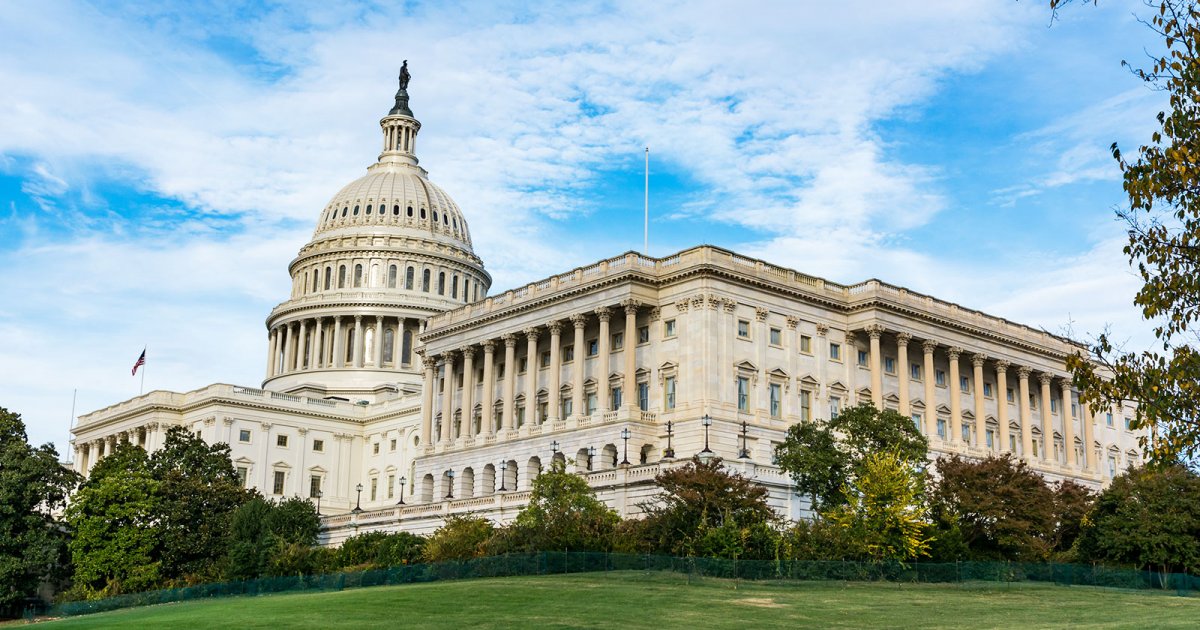
This is not the first time impeachment pressure has surfaced during Mr. Trump’s post-presidency political life. In December 2025, a separate effort forced a floor vote in the United States House of Representatives. Republicans ultimately succeeded in tabling the motion, but the vote revealed a significant minority willing to proceed. One hundred forty lawmakers—more than a third of the chamber—voted to keep impeachment alive, a bloc that organizers see as a foundation rather than a symbolic protest.
That number matters. Impeachment is as much a political calculation as a constitutional one. The arithmetic of the House dictates outcomes, and supporters acknowledge that without a majority, the effort cannot advance beyond protest. Still, they argue that documenting the charges now is a way to shape future debates, particularly as the 2026 midterm elections approach.
Mr. Trump himself has repeatedly framed impeachment as a looming threat tied to electoral outcomes. In public remarks and private warnings to allies, he has cautioned Republicans that losing control of Congress would almost certainly revive impeachment proceedings. Those statements suggest an awareness that the issue is not dormant, merely constrained by current numbers.
Republicans dismiss the resolution as partisan maneuvering, arguing that it reflects political animus rather than new evidence. They point out that prior impeachment efforts failed to remove Mr. Trump from office and warn that repeated attempts risk desensitizing the public. Democrats backing the measure counter that constitutional accountability is not subject to fatigue, and that failure to act would normalize conduct they view as dangerous.
What is clear is that the groundwork has been laid. The resolution exists. The votes of a sizable minority have already been cast. The procedural tools are in place. What remains uncertain is whether electoral shifts will supply the one element still missing: a majority willing to move from documentation to action.
For now, impeachment has returned to Capitol Hill not as a chant or a headline, but as text entered into the congressional record—waiting, its sponsors hope, for a moment when the numbers finally align.