When Silence Became Strategy: How Canada Stopped Flinching — and Donald Trump Noticed
For years, pressure was Washington’s most reliable tool. Tariffs, threats, public rebukes, and conditional access formed a familiar choreography, especially with smaller allies. The expectation was simple: resistance would trigger retaliation, retaliation would produce anxiety, and anxiety would restore compliance. It worked often enough to become habit.
Then something unexpected happened.
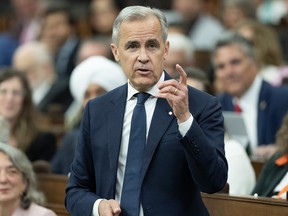
At the World Economic Forum in Davos, Mark Carney did not confront Donald Trump directly. He did not threaten retaliation, did not posture, did not even mention Trump by name. Instead, he delivered something far more unsettling: a calm, clinical argument that economic coercion no longer needed to be tolerated — and that middle powers could respond without theatrics, panic, or submission.
Within days, Trump was furious.
He lashed out online. He withdrew an invitation. He warned that China would “eat Canada up.” He invoked Greenland, defense systems, and loyalty tests. None of it landed. And the reason it didn’t land mattered far more than the outburst itself.
Because for the first time in years, pressure failed to provoke a reaction.
Davos Without Drama — and Why That Mattered
Davos is usually where leaders soften their language. Consensus is prized. Edges are sanded down. This year, Carney did the opposite — not by raising his voice, but by sharpening his framing.
Economic relationships, he argued, are being weaponized. Tariffs are no longer just trade tools. Supply chains are leverage. Market access is conditional. Accommodation invites escalation. He did not frame this as an anti-American complaint, but as a structural problem confronting middle powers in a world where power increasingly expects compliance rather than partnership.
Canada, Carney suggested, had followed the rules. It aligned when asked. It absorbed tariffs. It accepted public disrespect. It even endured offhand talk of annexation. And still, it was treated as expendable.
The implication was devastating in its simplicity: doing everything right did not buy protection. It bought vulnerability.
Carney’s answer was not confrontation or decoupling, but coordination. Middle powers, he argued, could reduce single-point dependencies, build resilience at home, and quietly expand options abroad — naming coercion without dramatizing it.
It was calm. It was technical. And it was precisely what Trump could not tolerate.
The Invitation That Revealed Too Much
Before Davos, Trump’s team floated an invitation: a seat for Carney on a new American “Board of Peace.” On its face, it sounded flattering — a signal that Canada was still inside the tent.
But the structure was thin. Governance unclear. Authority vague. Financing opaque. According to people familiar with the exchange, Carney did not rush to accept. He asked questions. Who decides? Who funds it? What power does it actually have?
Those questions mattered because Trump does not build institutions. He builds stages. And stages only work when everyone agrees to play their assigned role.
Then Davos happened.
Within days of Carney publicly challenging the logic of economic coercion, the invitation disappeared — quietly withdrawn, announced through Trump’s own channels. No explanation. No justification.
Trump likely intended the withdrawal to look like leverage. Instead, it revealed fragility.
When you pull an invitation that someone never chased, you are not denying access. You are admitting irrelevance.
Observers quickly noticed who was missing from Trump’s board: no Canada, no major European powers, no China — none of the countries that actually shape global outcomes. What remained looked less like a council of influence and more like a set where Trump could still pretend to sit at the head of the table.
Carney did not lose a seat. Trump lost the illusion that the seat mattered.
From Leverage to Grievance
That loss triggered something else entirely.
Trump took the dispute public. First came Greenland. He claimed Canada opposed a so-called “Golden Dome” defense system over Greenland — framing it as protection for Canada, despite Canada never asking for it and Greenland not being a bargaining chip.
Then came China.
Trump accused Canada of choosing Beijing over Washington, warning that China would “eat Canada up.” The language was not strategic. It was emotional — grievance language, the kind used when influence is slipping and fear replaces control.
What stood out was not the substance, but the tone. This did not sound like confidence. It sounded like someone watching a pressure tactic fail in real time.
For years, Canada aligned closely with Washington on China — tariffs, restrictions, market barriers. The logic was straightforward: stand with the United States and the partnership would hold.
But Canada still faced tariffs. Still faced threats. Still faced public humiliation.
Carney absorbed that lesson and adjusted the strategy.
Optionality Versus Obedience
When reports emerged that Canada would allow a limited number of Chinese electric vehicles into its market, Washington reacted instantly. Betrayal. Disloyalty. Strategic drift.
But the framing collapsed under scrutiny.
Canada did not switch sides. It widened its options. The move coincided with China dropping tariffs on Canadian agricultural exports, including canola — a tangible benefit tied to a controlled, calibrated opening.
Every major economy manages a relationship with China. Canada is not unique. What changed is that Canada stopped asking permission.
That shift terrified Washington more than any tariff ever could. Because leverage only works when the other side has nowhere else to go.
Carney made sure Canada does.
The Power of Not Responding
Then came the most damaging move of all.
Carney said nothing.
No press conference. No rebuttal. No defensive explanation. Trump wanted noise. He wanted headlines. He wanted the familiar cycle: pressure produces reaction, reaction produces negotiation, negotiation restores dominance.
Instead, he got silence.
In politics, silence can be devastating. It denies validation. It forces observers to ask a dangerous question: who actually holds power here?
While Trump ranted, Carney governed. While invitations were pulled, Canada kept moving. While threats escalated, alliances quietly deepened.
The contrast did more damage than any statement could have.
Trump looked reactive. Carney looked composed. Trump looked obsessed with optics. Carney looked focused on outcomes.
A Blueprint, Not a Rebellion
Carney did not present himself as a rebel leader. He presented a blueprint.
Build resilience at home. Reduce choke points. Coordinate quietly with peers. Name coercion without dramatizing it. Absorb short-term noise in exchange for long-term autonomy.
That approach resonates because it reflects reality. Middle powers do not want chaos. They want predictability. Trade without intimidation. Security without submission.
At Davos, other leaders were watching closely — not because Carney was loud, but because he was precise.
Analysts began asking an uncomfortable question: is Canada, almost by accident, showing the world how to say no without blowing everything up?
When Retaliation Backfires
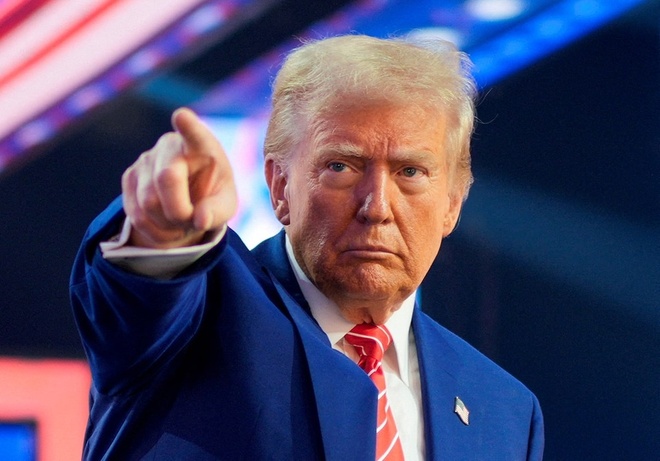
Trump believed pulling the invitation and escalating rhetoric would put Canada back in its place. Instead, it clarified how much the balance of power has shifted.
Retaliation only works when the other side is desperate for approval. Canada wasn’t.
By withdrawing the Board of Peace invitation, Trump did not isolate Mark Carney. He isolated himself. The move looked less like authority and more like irritation — an emotional response to losing leverage.
When pressure fails to trigger panic, it stops being power. It becomes exposure.
This moment was never really about an invitation, a speech, or even a trade dispute. It was about whether pressure still works in a world that is quietly changing.
For decades, power operated on a simple formula: apply enough force and smaller partners fall back in line. What Carney demonstrated is that the formula is breaking down.
Canada did not turn away from the United States. It turned toward optionality — and in doing so, it changed the terms of the relationship.
Trump is now reacting instead of dictating. Carney is building instead of flinching.
History rarely announces power shifts with fireworks. More often, they arrive quietly — when old pressure points stop working and new rules take shape.
This was one of those moments.






