What is unfolding across the United States right now is not a series of disconnected political skirmishes. It is a coordinated, high-stakes power struggle playing out simultaneously in elections, courtrooms, and federal authority—and it is beginning to backfire in ways Republicans did not anticipate.
At the center of the shock is Texas.
For years, Texas has been the cornerstone of Republican electoral strategy, a state where aggressive redistricting was expected to lock in GOP dominance for the rest of the decade. A mid-decade redraw backed by Trump-aligned Republicans was designed to secure a “can’t-lose” House seat, reinforcing the party’s narrow majority and insulating it from national Democratic momentum. Instead, that plan has hit a wall.
Courts have now partially frozen the Texas redraw, citing concerns over fairness, minority representation, and procedural overreach. The result is political whiplash: a district Republicans assumed was safely red is suddenly competitive—if not outright vulnerable. Democratic organizers are already mobilizing, donors are paying attention, and GOP strategists are scrambling to contain what they privately describe as a nightmare scenario.
Texas is not an isolated case.
Republicans have noticeably softened their opposition to California’s newly approved redistricting framework, a surprising retreat that signals deeper national pressure. While Democrats push forward with map changes in states like California and Virginia, Republican-led gerrymanders in Texas, North Carolina, and Missouri are increasingly under legal siege. In several cases, courts have stepped in to block or delay GOP maps, undermining years of carefully engineered advantage.
The irony is hard to miss: the very tactics Republicans relied on to secure power are now drawing judicial scrutiny that threatens to unravel them.
But redistricting is only one front in a much broader conflict.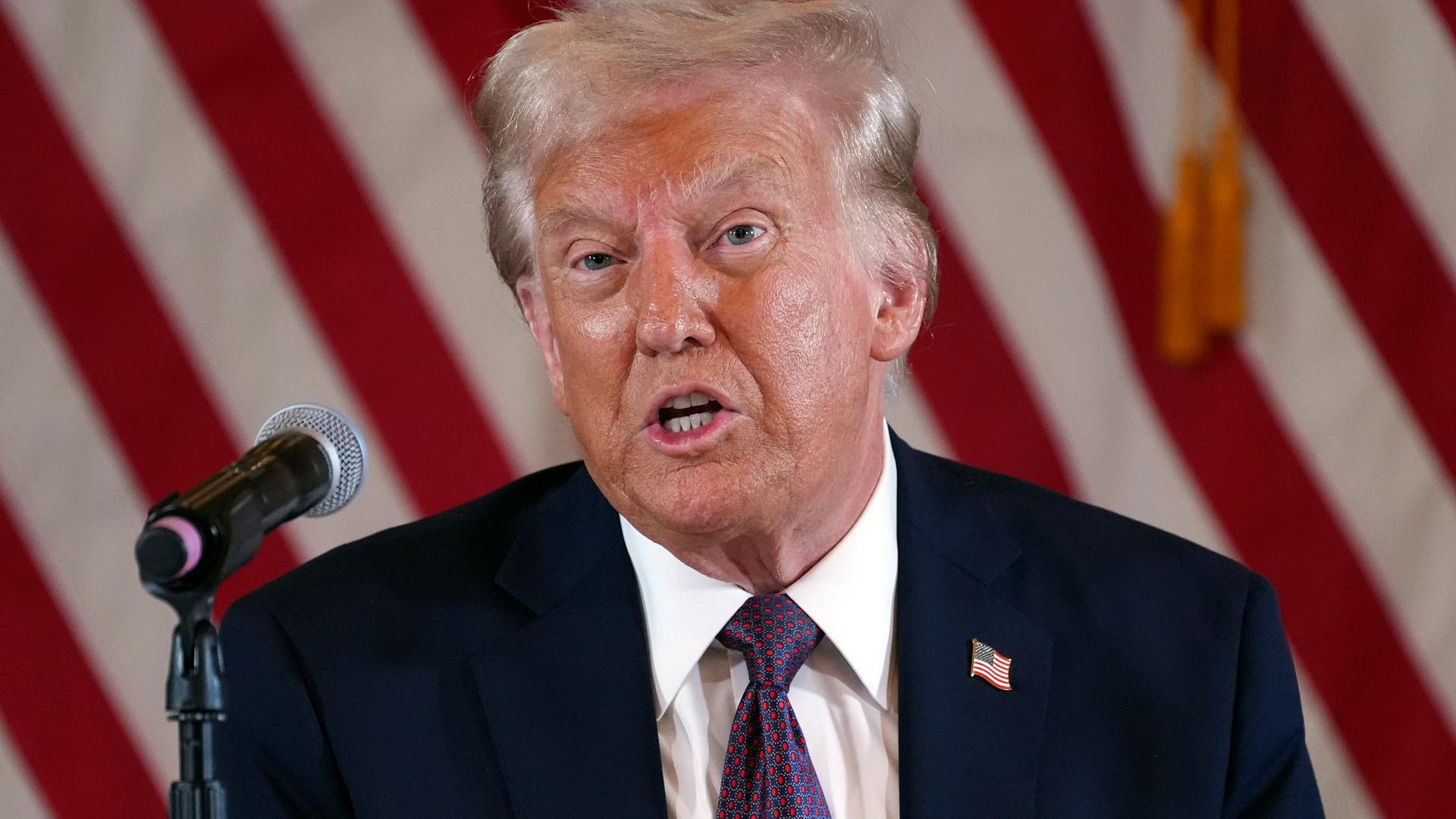
At the federal level, Trump’s Justice Department has dramatically expanded what it calls “monitoring” and law-enforcement presence in Democratic-leaning urban areas. Officials insist these measures are about public safety and election integrity. Critics, however, see something far more troubling: the normalization of federal agents and even military forces in everyday civic spaces ahead of future elections.
Importantly, these forces are not being placed directly at polling stations—an act that would be illegal. Instead, they are being positioned nearby, a legal gray zone that critics argue is designed to intimidate without technically violating the law.
Civil rights groups warn that this strategy represents a dangerous escalation. “This isn’t about preventing fraud,” one legal analyst said. “It’s about testing how far federal authority can be stretched without triggering immediate backlash.”
That concern deepens when viewed alongside other developments: aggressive prosecutions of vocal Trump critics, open discussion by allies about deploying additional troops domestically, and increasingly casual rhetoric about bending—or outright challenging—constitutional norms. Taken together, these moves suggest a deliberate strategy: push boundaries now, normalize extraordinary measures, and weaken institutional resistance before the 2026 election cycle.
The courts, however, are not cooperating.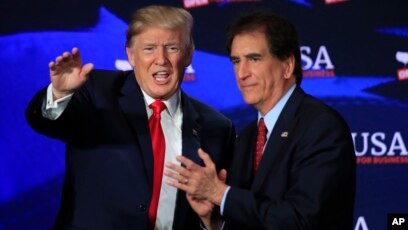
Judicial pushback against partisan gerrymandering has slowed Republican momentum at a critical moment. In Texas especially, the collapse of what was meant to be a guaranteed win has exposed how fragile the GOP’s advantage may be when stripped of structural manipulation.
For Democrats, the moment presents both opportunity and risk. While court rulings and redistricting chaos may open unexpected paths to gains, the broader fight over democratic norms and federal power is already underway. This is no longer a theoretical debate about the future—it is happening in real time.
The takeaway is stark: Republicans attempted to lock in power through redistricting and expanded federal authority, but the strategy is beginning to backfire. Courts are pushing back, once-safe seats are wobbling, and Democrats may gain ground where none was supposed to exist. Meanwhile, the deeper struggle over democracy, constitutional limits, and the role of federal power is no longer looming on the horizon—it has already arrived.