By the New York Times style desk
A YouTube video titled “Ivanka Tried to Humiliate Obama in Public — Minutes Later, She Regretted It” has spread rapidly online, offering a dramatic account of a tense encounter at a Washington charity gala between Ivanka Trump and Barack Obama. The narration depicts a sharp public confrontation, followed by a cascade of private consequences driven not by a rebuttal, but by Mr. Obama’s silence.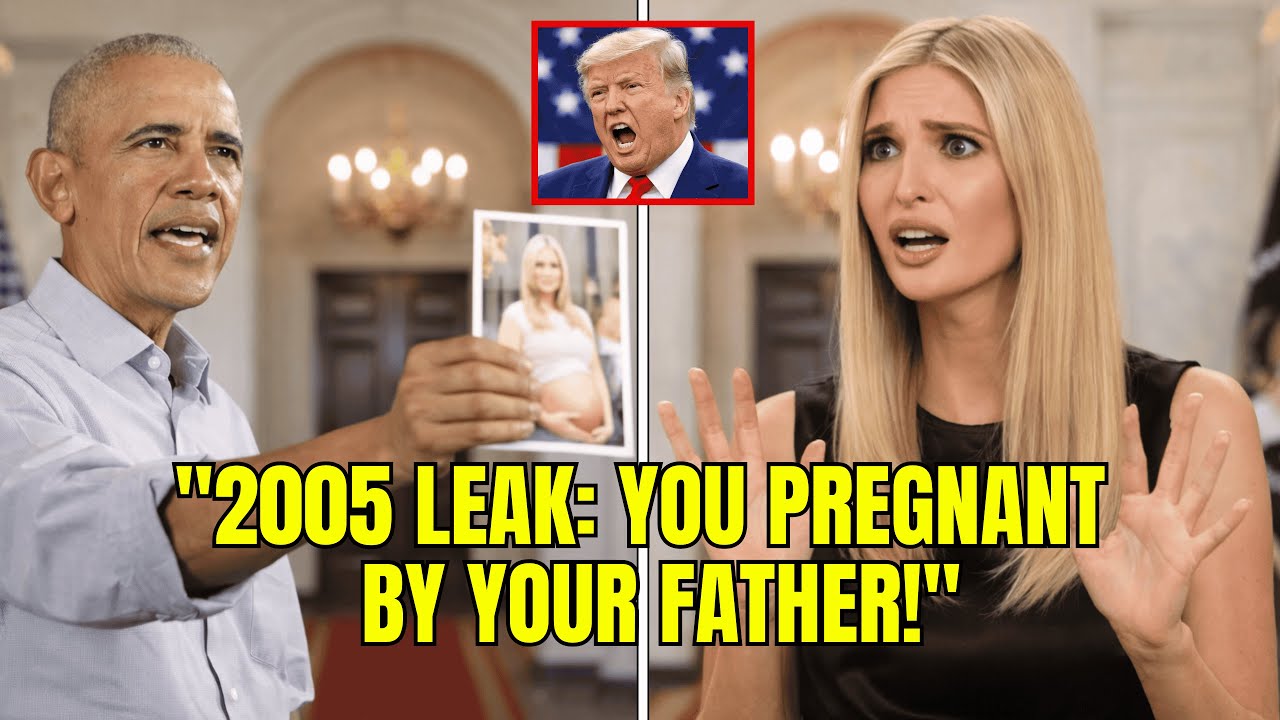
There is no verified public record that such an exchange occurred as described. No contemporaneous reporting places Ms. Trump and Mr. Obama in a verbal clash at a gala, and no reputable outlet has corroborated the subsequent claims involving anonymous tips or undisclosed materials. Still, the video’s popularity points to something real and resonant: a public appetite for stories about restraint, power, and how moments of composure can be interpreted as strength.
In the video’s telling, Ms. Trump delivers pointed criticism of Mr. Obama’s presidency in front of guests, accusing him of moral posturing and failed leadership. Mr. Obama responds with silence—neither defending his record nor escalating the exchange. That pause, the narrator suggests, shifts the room’s energy, drawing attention away from the speaker and toward the one who refuses to react.
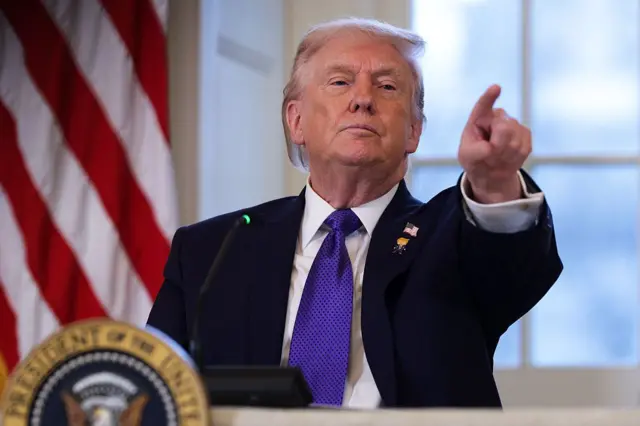
Silence has long been a tool in politics, though it is often misunderstood. It can signal calculation, confidence, or simply a decision not to legitimize a provocation. Mr. Obama, during his presidency and afterward, has frequently favored measured responses over immediate confrontation. Supporters see that approach as discipline; critics read it as detachment. The video leans heavily into the former interpretation, framing restraint as a strategic choice that forces others to reveal themselves.
Where the video moves from parable to problem is in its latter half. It introduces claims of anonymous outreach, photographs, forensic analysis and looming revelations—carefully hedged as “unverified,” yet presented with cinematic certainty. No evidence is produced that meets journalistic standards, and the narrative relies on implication rather than confirmation. This structure is increasingly common in viral political content: a kernel of plausible behavior wrapped in speculative escalation.

Media scholars note that such stories thrive because they offer moral clarity without the burden of proof. The audience is invited to judge posture rather than facts, tone rather than documentation. In this case, the contrast is simple and compelling: bold confrontation versus quiet patience; provocation versus verification. Whether or not the events occurred, the lesson lands.
That lesson has traveled widely. Commenters have framed the story as an example of emotional intelligence prevailing over dominance. Others see it as a cautionary tale about overconfidence and misreading a room. The narrative’s endurance owes less to its claims than to its archetypes—an aggressor, a composed target, and the idea that time favors those who wait.
For Ms. Trump, the video imagines a reckoning shaped by scrutiny and delayed consequences. For Mr. Obama, it reinforces an image cultivated over years: that of a figure who lets process and proof speak louder than immediate response. The contrast mirrors a broader cultural debate about leadership styles in an age of instant reaction.
Ultimately, the viral story says more about the media environment than about the people it portrays. In a landscape where attention is currency, silence can feel radical—and speculation can masquerade as exposure. The challenge for viewers is to separate the appeal of the lesson from the certainty of the facts.
Restraint may indeed be powerful. But credibility, like silence, only holds its weight when grounded in reality.






