JUST IN: TRUMP’S “GOVERNOR CARNEY” INSULT BACKFIRES — CANADA QUIETLY PREPARES TO LOCK THE U.S. OUT OF CUSMA TERMS
Donald Trump’s attempt to belittle Canadian Prime Minister Mark Carney by repeatedly calling him “Governor Carney” is rapidly turning into a strategic disaster for the United States. What Trump framed as tough pre-negotiation posturing ahead of the 2026 CUSMA review is instead handing Canada the political cover it needs to walk away from American-dominated trade terms. While Trump fires off insults and tariff threats online, Ottawa is calmly laying the groundwork for a future where U.S. leverage no longer works.

Carney’s response has been deliberate and restrained. Asked about Trump’s mockery and threats of 100% tariffs, Carney declined to engage in social media theatrics, signaling that insults are not policy and tweets are not negotiations. That restraint masks a deeper shift: Canada is actively diversifying its trade exposure, reducing a decades-long dependence on the U.S. market that once accounted for roughly 75% of Canadian exports. The imbalance that fueled Washington’s leverage is quietly eroding.
Behind the scenes, Canada is accelerating alternatives. New agricultural agreements with China reopen massive markets for canola, pork, and seafood. Quebec is redirecting electricity exports toward Europe. British Columbia is expanding LNG capacity for Asian buyers. Ottawa’s domestic procurement strategy is steering an estimated $70 billion away from U.S. suppliers. Each move weakens the pressure Trump hoped to apply ahead of the mandatory CUSMA review scheduled for July 1, 2026.
That review is the real ticking clock. Under CUSMA’s sunset clause, Canada, the U.S., and Mexico must either extend the deal for 16 years, trigger annual reviews for a decade, or begin the process of withdrawal. Trump’s team has already outlined aggressive demands: dismantling Canada’s dairy supply management, rolling back digital and media regulations, accepting permanent sectoral tariffs, and even shifting toward bilateral deals. What Trump didn’t anticipate is that his public humiliation campaign would make accepting those terms politically impossible in Canada.
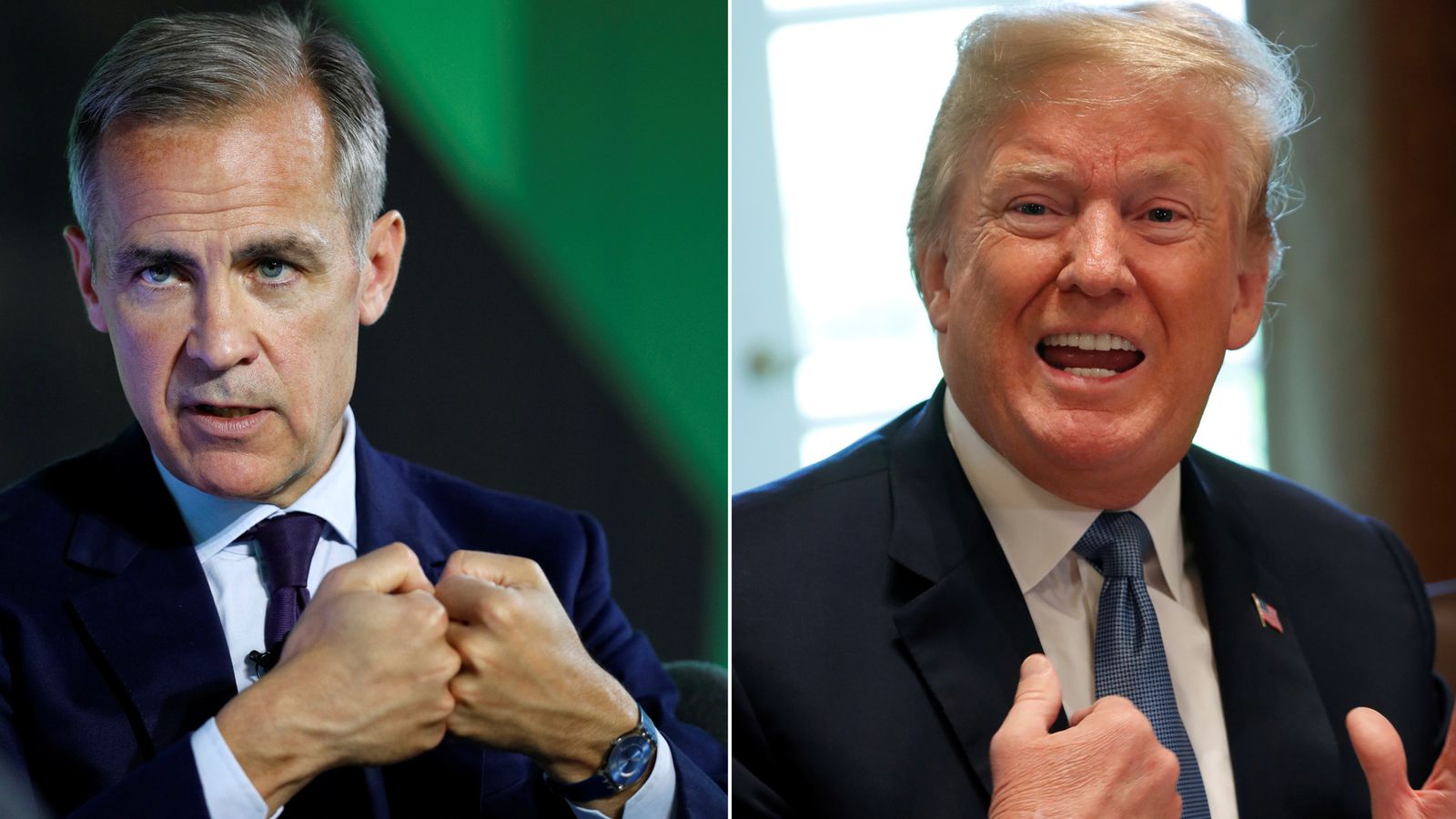
Each insult strengthens Carney’s hand domestically. Canadian voters are far more likely to support triggering annual reviews—or even a managed exit—after watching their country mocked as a subordinate state and portrayed as a “51st star.” Instead of weakening Canada’s position, Trump’s rhetoric reframes economic independence as a matter of sovereignty. Refusing to extend CUSMA under punitive terms now looks like leadership, not risk.
The irony is stark. American manufacturers, automakers, energy producers, and steel companies depend heavily on Canadian inputs, and U.S. industry leaders have already warned Congress that CUSMA stability is critical. Trump needs a deal within months—but he is negotiating with a prime minister he publicly undermined, one who has already proven he can build alternatives. What was meant to be leverage has become an escape clause. By choosing insults over diplomacy, Trump may have sabotaged the United States’ strongest trade position in North America—handing Canada its clearest path yet away from American economic dominance.