Starmer Under Fire as Explosive PMQs Clash Over Russian Oil and North Sea Energy Sparks Commons Fury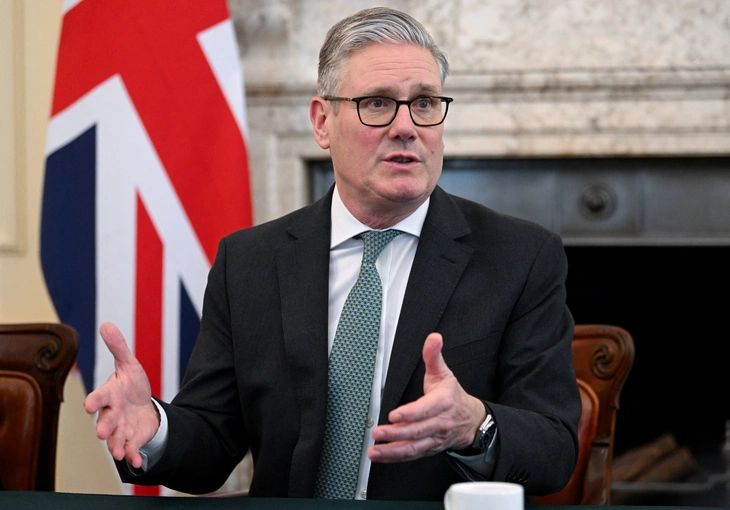
Prime Minister Keir Starmer faced one of the most combative Prime Minister’s Questions sessions of his premiership after a fierce confrontation over Russian oil sanctions, North Sea drilling, and Britain’s energy future triggered repeated interruptions and mounting disorder inside the House of Commons. The heated exchanges saw Conservative leader Kemi Badenoch accuse the government of inconsistency, economic recklessness, and weakening Britain’s stance on Russia during the war in Ukraine.
The session began under tense conditions as Speaker Lindsay Hoyle intervened sharply to restore order in the chamber. Hoyle warned MPs against questioning his judgment after frustrations erupted over parliamentary procedure and the handling of ministerial statements. His remarks set the tone for an increasingly hostile afternoon in Westminster, with tempers visibly strained across both sides of the Commons.
Conservative MPs erupted almost immediately after Badenoch stood to challenge the Prime Minister on fuel duty policy. She sarcastically thanked Starmer for what she described as a humiliating U-turn after Labour decided to maintain the fuel duty freeze despite previously resisting Conservative pressure to do so. Badenoch argued that Labour had repeatedly dismissed warnings from the opposition before eventually adopting the same position under mounting economic pressure.
Starmer responded by defending the government’s decision, arguing that the administration had acted responsibly in light of escalating tensions in the Middle East and the potential impact on British households. He insisted that Labour had prevented a planned rise in fuel duty inherited from previous fiscal arrangements and accused the Conservatives of attempting to claim credit for decisions that were unrelated to their own policies.
The confrontation intensified dramatically when Badenoch shifted the debate toward Britain’s oil and gas sector. She challenged the government’s decision to oppose new North Sea oil and gas licences, arguing that the move threatened employment in energy-producing regions while increasing Britain’s dependence on foreign imports. Badenoch repeatedly referenced the economic pressure facing communities connected to offshore drilling and warned that thousands of jobs were at risk.
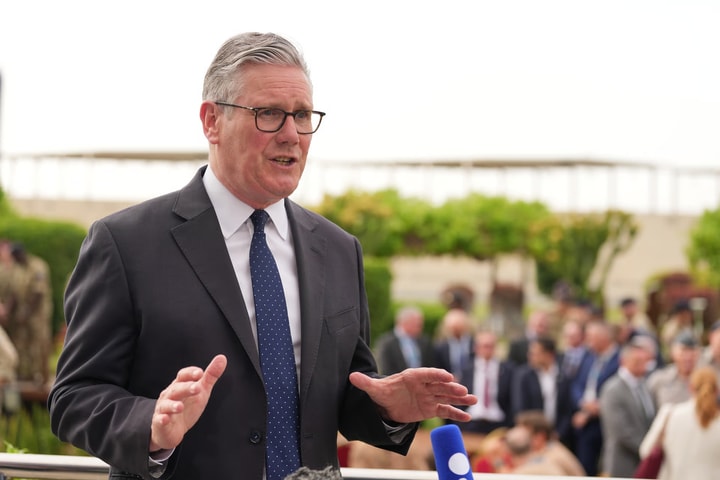
Starmer attempted repeatedly to defend Labour’s energy strategy by insisting that existing North Sea production would continue for many years. He argued that the government remained committed to supporting current oil and gas operations throughout their lifespan while also accelerating investment in renewable energy. According to the Prime Minister, Britain’s long-term energy security depended on reducing exposure to volatile international fossil fuel markets rather than expanding reliance on new drilling projects.
However, Badenoch pressed further, accusing Starmer of avoiding the core issue surrounding new licences rather than existing production. She argued that Labour’s refusal to back additional drilling projects would ultimately weaken domestic supply and increase reliance on imports from abroad. Her criticism focused particularly on the Rosebank and Jackdaw projects, which Conservatives have framed as strategically important for future British energy security.
The sharpest exchanges of the afternoon centred on Russia sanctions policy after Badenoch accused the government of quietly easing restrictions on certain Russian oil products. She alleged that Labour was effectively allowing “dirty Russian oil” into the market while simultaneously restricting domestic British production. The accusation immediately provoked uproar across the Commons chamber, with MPs on both sides shouting over one another as tensions escalated.
Labour ministers strongly rejected the allegations, with Starmer insisting that the government had in fact introduced a tougher package of sanctions against Russia. He argued that the measures represented an expansion of existing restrictions, including new bans on maritime services linked to Russian LNG and refined oil products. The Prime Minister stressed that temporary licences had only been introduced as a phased implementation mechanism designed to protect consumers and maintain market stability during the transition.
Starmer repeatedly emphasised that no existing sanctions had been removed. He described the process as standard international practice and argued that previous Conservative governments had adopted similar methods when implementing sanctions packages. According to the Prime Minister, the government’s approach increased pressure on Russia rather than weakening it, while also minimising economic disruption for British consumers and businesses.
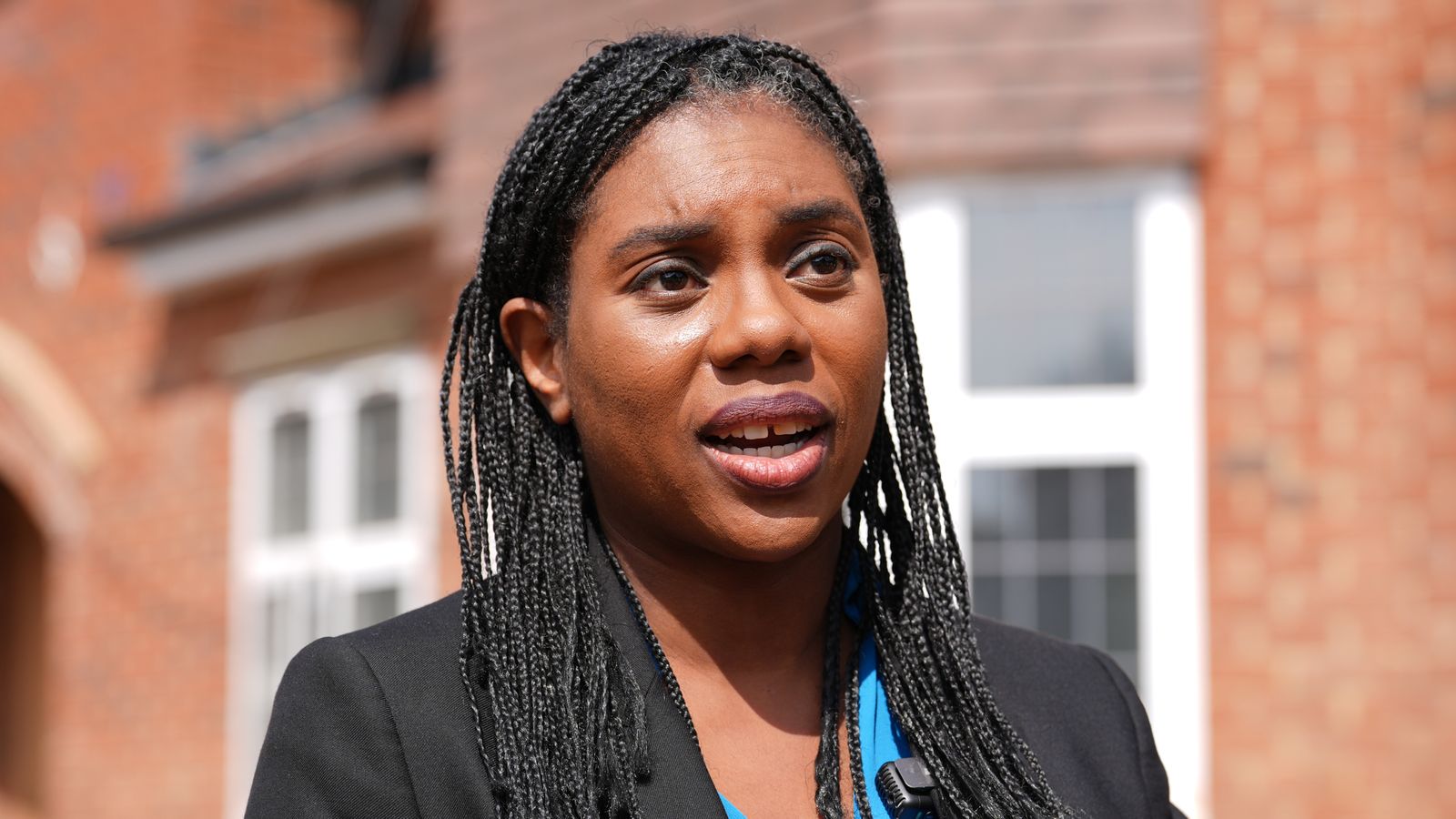
Badenoch dismissed the explanation as overly technical and politically evasive. She accused Starmer of hiding behind what she called “processology” instead of addressing the political reality of Britain continuing to purchase products connected to Russian oil supply chains. The Conservative leader argued that such arrangements undermined Britain’s moral authority on Ukraine and contradicted previous statements made by the government regarding economic pressure on Moscow.
The Commons descended further into disorder when Badenoch accused the Prime Minister of misunderstanding his own policy framework. She claimed that Labour’s energy and sanctions strategy was simultaneously damaging British industry while failing to maintain sufficient pressure on Russia. Conservative MPs loudly cheered her interventions, while Labour MPs responded with visible frustration and repeated heckling from the government benches.
Throughout the exchange, Speaker Lindsay Hoyle was forced to intervene multiple times in an effort to calm the chamber. At several moments, the volume of interruptions and shouting became so intense that proceedings were temporarily difficult to follow. Hoyle repeatedly urged MPs to allow answers to be heard and warned against persistent side comments that threatened to derail the session entirely.
The debate later broadened into wider concerns about the British economy and employment. Badenoch highlighted recent labour market figures and argued that Labour’s approach to energy policy was accelerating industrial decline in parts of the country dependent on oil and gas. She linked rising economic uncertainty to what she described as ideological policymaking within government ranks.
Starmer countered by pointing to recent economic indicators that he said demonstrated improving national stability. The Prime Minister highlighted falling inflation, reductions in NHS waiting lists, and strong economic growth data, describing them as evidence that Labour’s broader economic programme was beginning to deliver measurable results. He accused the opposition of ignoring positive developments while focusing exclusively on political attacks.
Attention then shifted sharply toward speculation surrounding internal Labour tensions after Badenoch suggested that senior figures within the party were already discussing potential leadership alternatives. She referenced rumours involving figures such as Andy Burnham and Wes Streeting as possible future contenders, arguing that Starmer’s authority inside government appeared increasingly fragile.
Although Labour MPs reacted angrily to the suggestion, the comments added another layer of political pressure to an already volatile session. Cameras captured visible frustration and unease on both front benches as accusations over leadership instability, economic management, and Ukraine policy continued to dominate the chamber.
Starmer attempted to dismiss the claims by redirecting attention toward government achievements and accusing the Conservatives of opportunism. He argued that Britain’s economic recovery and investment strategy required long-term planning rather than short-term political rhetoric. The Prime Minister also warned against politicising the Ukraine conflict, insisting that partisan attacks on sanctions policy ultimately benefited the Kremlin rather than Britain’s allies.
Nevertheless, Badenoch maintained her offensive until the close of the session, repeatedly returning to the themes of energy security, domestic employment, and national credibility. Her repeated attacks over North Sea licensing and Russian oil ensured that the government remained under sustained pressure throughout the exchange, while Conservative MPs continued to heckle loudly from the opposition benches.
By the end of proceedings, the atmosphere inside the Commons had deteriorated into one of the most openly confrontational PMQs sessions in recent months. The combination of fierce exchanges over Ukraine, accusations of policy confusion, and growing debate over Britain’s energy future exposed the increasingly bitter political divide dominating Westminster.
While both sides claimed to be defending Britain’s national interests, the session ultimately underscored the deepening conflict over how the country should balance economic pressures, energy independence, environmental transition, and international sanctions policy. With tensions continuing to rise inside Parliament, the debate surrounding Russian oil, North Sea drilling, and Labour’s broader economic direction appears far from resolved.






